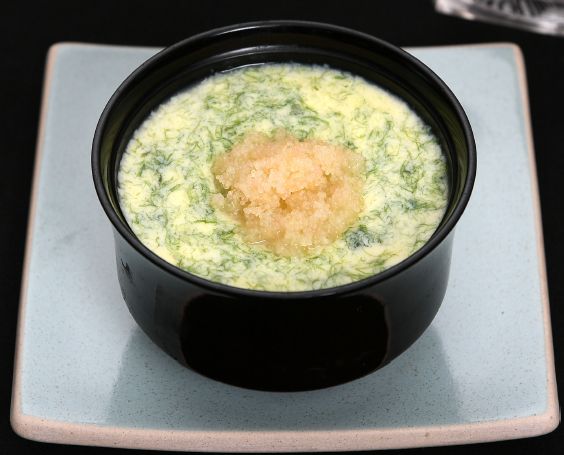
Gyeran-jjim (Korean Steamed Eggs)
계란찜gye-ran-jjim
Fluffy, savory egg custard puffed up in a hot pot
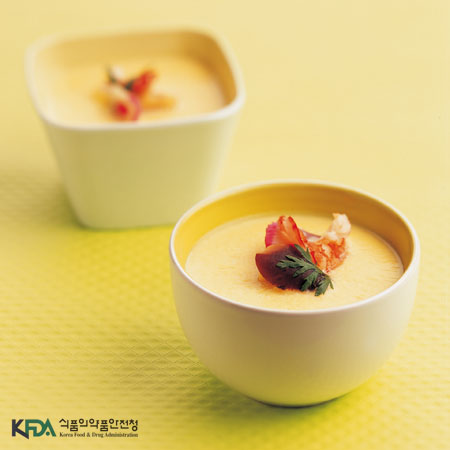
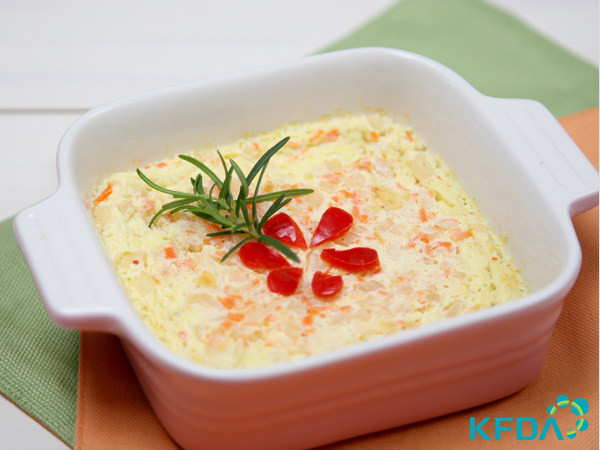
Gyeran-jjim is a soft, savory egg custard seasoned with salted shrimp or salt and green onion. Cooked in a small earthenware pot it puffs up like a soufflé; steamed in a bowl it is smooth and silky. Either way it is a gentle side dish that balances spicy food.
Looking for a twist? See 5 gyeran-jjim variations ↓
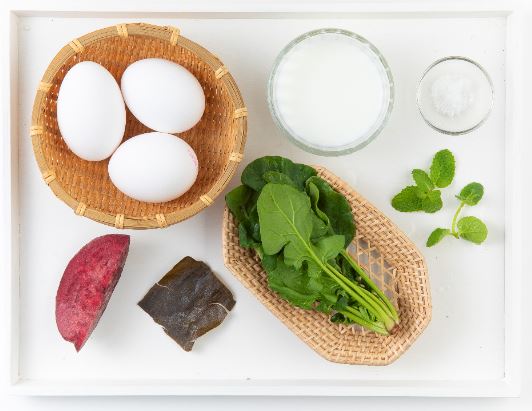
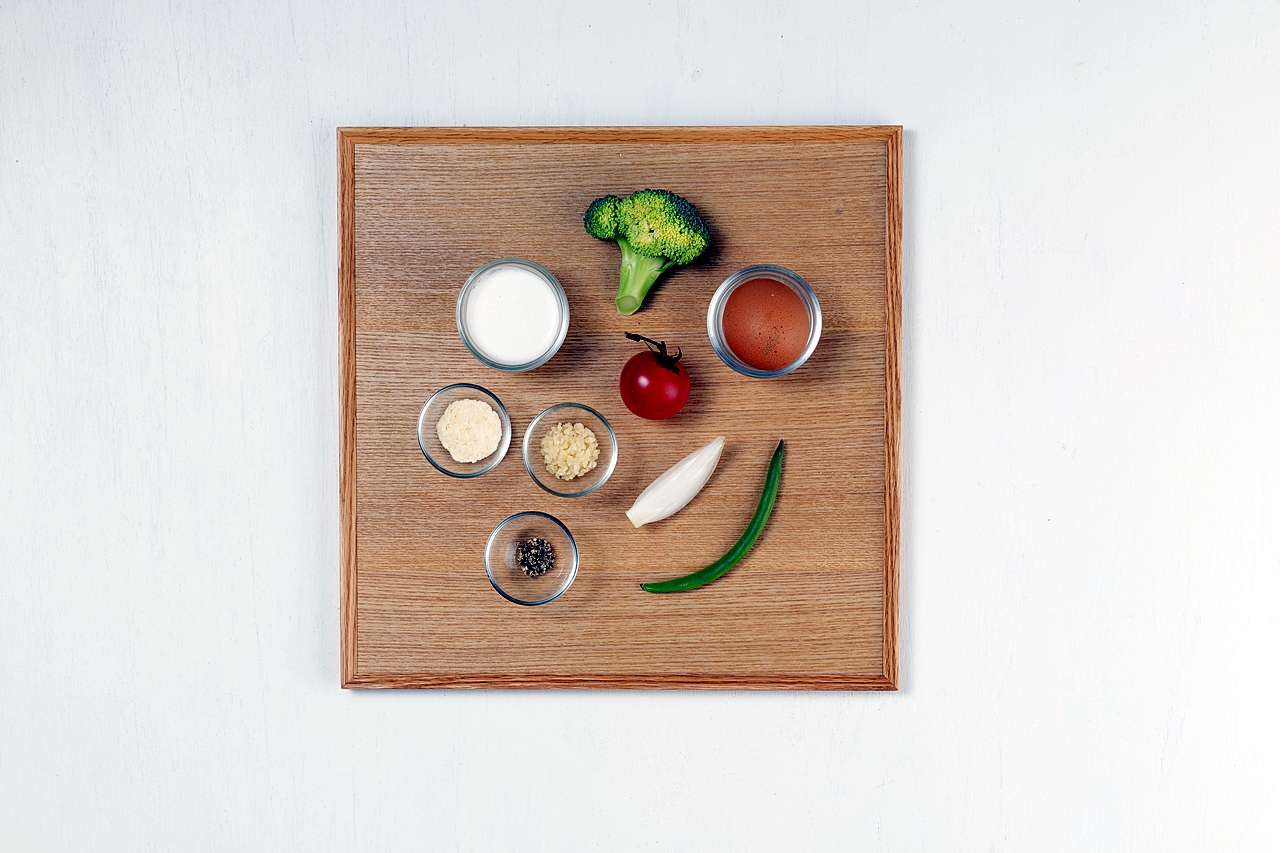
🥘 Ingredients for classic gyeran-jjim
Tap an ingredient to check it off.
Main
🧺 Korean ingredients in this dish
- Dried Kelp (Dasima)Kelp for clean, savory broth🛒 Shop on Amazon
- Dried Anchovies (Myeolchi)From broth anchovies to sweet-salty side dishes
- Jeotgal (Salted Shrimp & Fish Sauce)Salted, fermented seafood — Korea's umami seasoning🛒 Shop on Amazon
- Korean Green Onions (Pa)Thick daepa, slender jjokpa and the green onions in almost every dish
- Sesame Oil & Sesame SeedsThe nutty finishing touch of Korean food🛒 Shop on Amazon
As an Amazon Associate, coo K food earns from qualifying purchases.
📝 How to make gyeran-jjim
Beat the eggs well. For the smooth version, strain them through a sieve.
Mix the eggs with the broth and salted shrimp (or salt).
Pot method: bring a little extra broth to a simmer in a small earthenware pot or saucepan, pour in the egg mixture and stir constantly over medium heat for 1–2 minutes, until soft curds form.
Turn the heat to the lowest setting, cover (an upside-down bowl works) and cook for 5–7 minutes, until puffed and set.
Steamer method: pour the mixture into a heatproof bowl and steam, covered, over low-medium heat for 12–15 minutes until just set.
Top with green onion (and carrot), a few drops of sesame oil and sesame seeds. Serve hot.
💡 Tips for the best gyeran-jjim
- Use about equal volumes of egg and liquid for a tender custard.
- Low heat prevents holes and a rubbery texture.
- Anchovy-kelp broth or salted shrimp adds savory depth with very little salt.
The barbecue-restaurant side dish
At Korean barbecue restaurants, a bubbling pot of gyeran-jjim that rises above the rim (sometimes called "volcano egg") often arrives as a side dish. At home it is a comfort food for children and a mild partner to spicy stews.