Dried Kelp (Dasima)
다시마da-si-ma
Kelp for clean, savory broth
Dasima is dried kelp — the same seaweed as Japanese kombu — sold in thick, dark green sheets often dusted with white powder. That powder is natural mannitol and glutamate, not mold, so wipe the kelp with a damp cloth rather than washing it.
- Korean name
- 다시마 (da-si-ma)
- What it is
- Kelp for clean, savory broth
- Storage
- Keep airtight in a cool, dry place; it lasts a year or more.
- Substitute
- Japanese kombu is the same thing.
- Recipes
- Used in 91 recipes on coo K food
Making broth
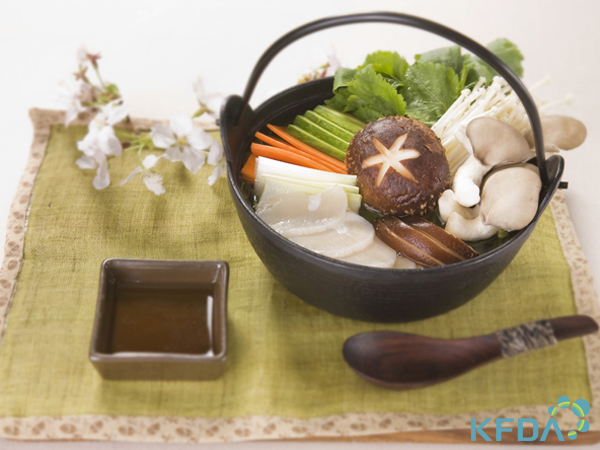
Soak a few squares in cold water for 30 minutes, or heat them gently and remove them after 10–15 minutes, before the water boils hard. Boiling kelp for too long releases slime and bitterness. Kelp is combined with dried anchovies for the classic myeolchi-dasima broth, and with dried shiitake, radish and onion for a vegetarian one.
Other uses
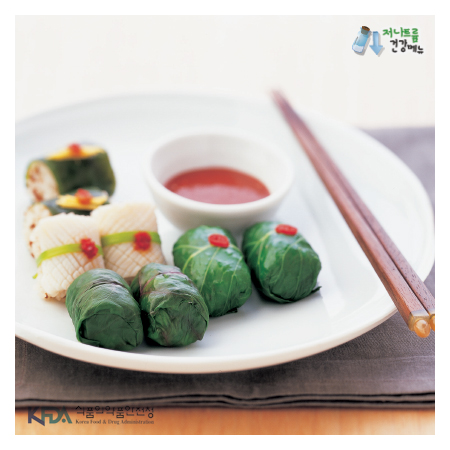
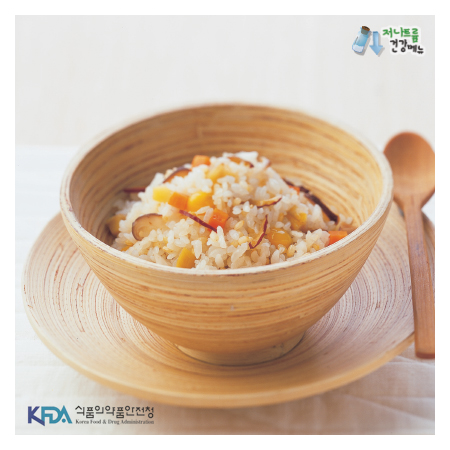
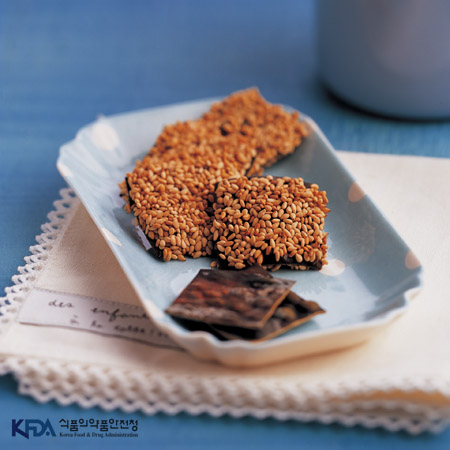
Pieces of kelp are fried into sweet, crisp chips (dasima-twigak), blanched fresh kelp is used to wrap rice and grilled meat, and kelp used for broth can be cut into strips and braised in soy sauce. A piece in the pot makes steamed rice more savory.
Kelp and salt
Kelp broth is rich in natural glutamates, so dishes made with it need much less salt or soy sauce to taste well seasoned — most low-sodium recipes on this site start with it. Kelp is also very high in iodine, so it is best used in moderate amounts.
🧊 How to store it
Keep airtight in a cool, dry place; it lasts a year or more.
🔄 Substitutes
Japanese kombu is the same thing. Otherwise use dashi powder or a mushroom broth.
🛒 Where to buy
Look for it at Korean or pan-Asian grocery stores such as H Mart, or order it online — it keeps well, so it is easy to stock up.
As an Amazon Associate, coo K food earns from qualifying purchases.