Doenjang Clam Soup with Spinach Dumplings (Ongsimi)
된장시금치옹심이
Chewy spinach-flour dumplings simmered in a clam and low-sodium doenjang broth with potato, zucchini, carrot and chilies. Potassium-rich vegetables offset the doenjang's sodium, and the clam cooking water adds savory umami.
🇰🇷 A twist on Mandu — see the classic korean dumplings recipe →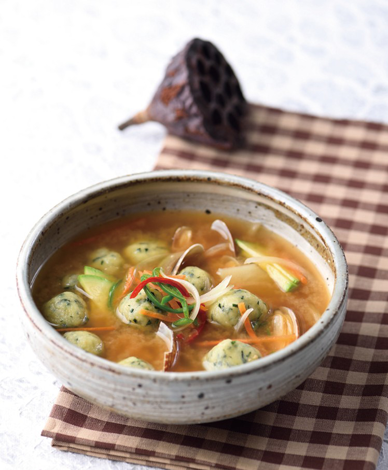
🥘 Ingredients
Tap an ingredient to check it off.
Main
Broth
🧺 Korean ingredients in this recipe
- Korean Zucchini (Aehobak)Tender, pale-green Korean summer squash
- Korean Chili PeppersFresh green and red chilies, from mild to Cheongyang
- Clams & ShellfishClams, mussels, oysters and abalone for clean, savory broths
- DoenjangRustic fermented soybean paste🛒 Shop on Amazon
As an Amazon Associate, coo K food earns from qualifying purchases.
📘 Cooking basics for this recipe
- How to Make Namul (Seasoned Vegetable Side Dishes)Blanch, squeeze, season: the method behind every Korean vegetable side dish
- Korean Recipe Measurements: Spoons, Cups, Grams and SaltHow to read Korean recipe amounts, convert grams to spoons and choose the right salt
- Korean Knife Cuts: Julienne, Diagonal, Cubes and MoreThe six cuts Korean recipes use, and why each dish calls for its own shape
📝 Step-by-Step Instructions
Soak the clams in water with the toasted salt to purge.

Make the broth with 400 g of water, the low-sodium doenjang and clams.

Blanch the spinach, squeeze dry and chop finely.

Julienne the carrot, onion and chilies, and cut the zucchini and potato into half-moons.

Mix the chopped spinach with the flour and shape into small dumplings.

Add the dumplings to the broth and simmer, then add the remaining vegetables.

📊 Nutrition Facts (per serving)
Nutrition values are taken from the original recipe data and are approximate.
🎥 Watch Cooking Videos
▶Search “Doenjang Clam Soup with Spinach Dumplings (Ongsimi)” on YouTubeFind cooking videos, tutorials, and tips→Source: adapted from the recipe database of the Ministry of Food and Drug Safety of Korea (Food Safety Korea), used under the Korea Open Government License (KOGL) Type 1. English translation and editing by coo K food.
🍽️ You Might Also Like
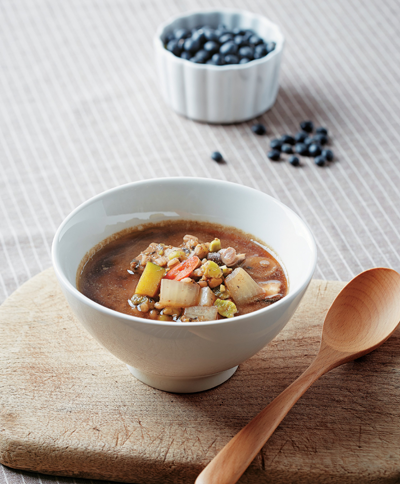
Black Bean & Barley Doenjang Stew
검은콩보리된장찌개
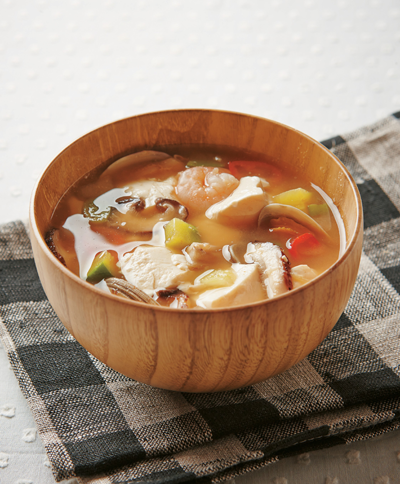
Soybean Soft Tofu Stew with Clams & Shrimp
백태순두부찌개

Spring Greens Rice Balls with Tofu Gangdoenjang
봄주먹밥
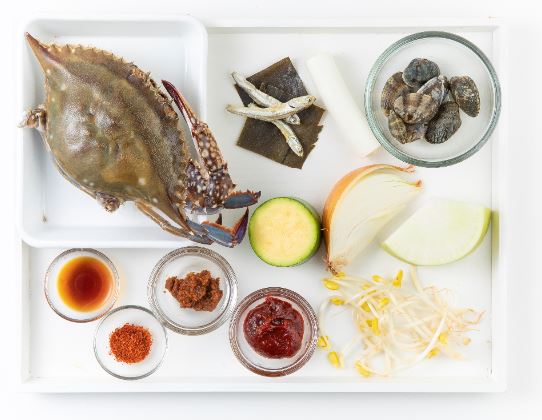
Blue Crab & Clam Stew
꽃게바지락찌개
Maesaengi & Mussel Soft Tofu Soup
매생이순두부탕

Mushroom Soft Tofu Stew
버섯순두부찌개