Clams & Shellfish
조개jo-gae
Clams, mussels, oysters and abalone for clean, savory broths
Shellfish give Korean soups and stews a clean, sweet, savory depth with very little effort. Manila clams, mussels, oysters and abalone are the most common, and a handful of clams can replace anchovy broth entirely.
- Korean name
- 조개 (jo-gae)
- What it is
- Clams, mussels, oysters and abalone for clean, savory broths
- Storage
- Keep live shellfish in the fridge covered with a damp cloth (not in water or sealed plastic) and cook within a day.
- Substitute
- Clams and mussels can usually replace each other.
- Recipes
- Used in 64 recipes on coo K food
How they are used
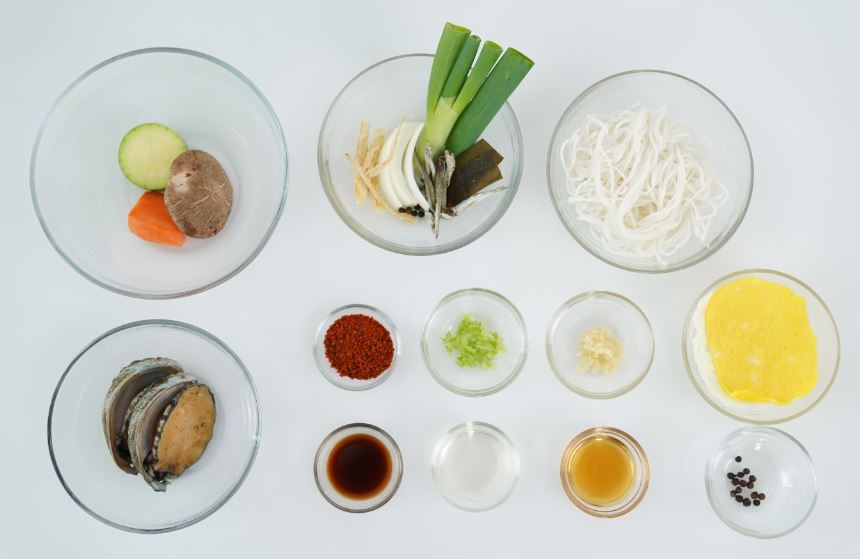
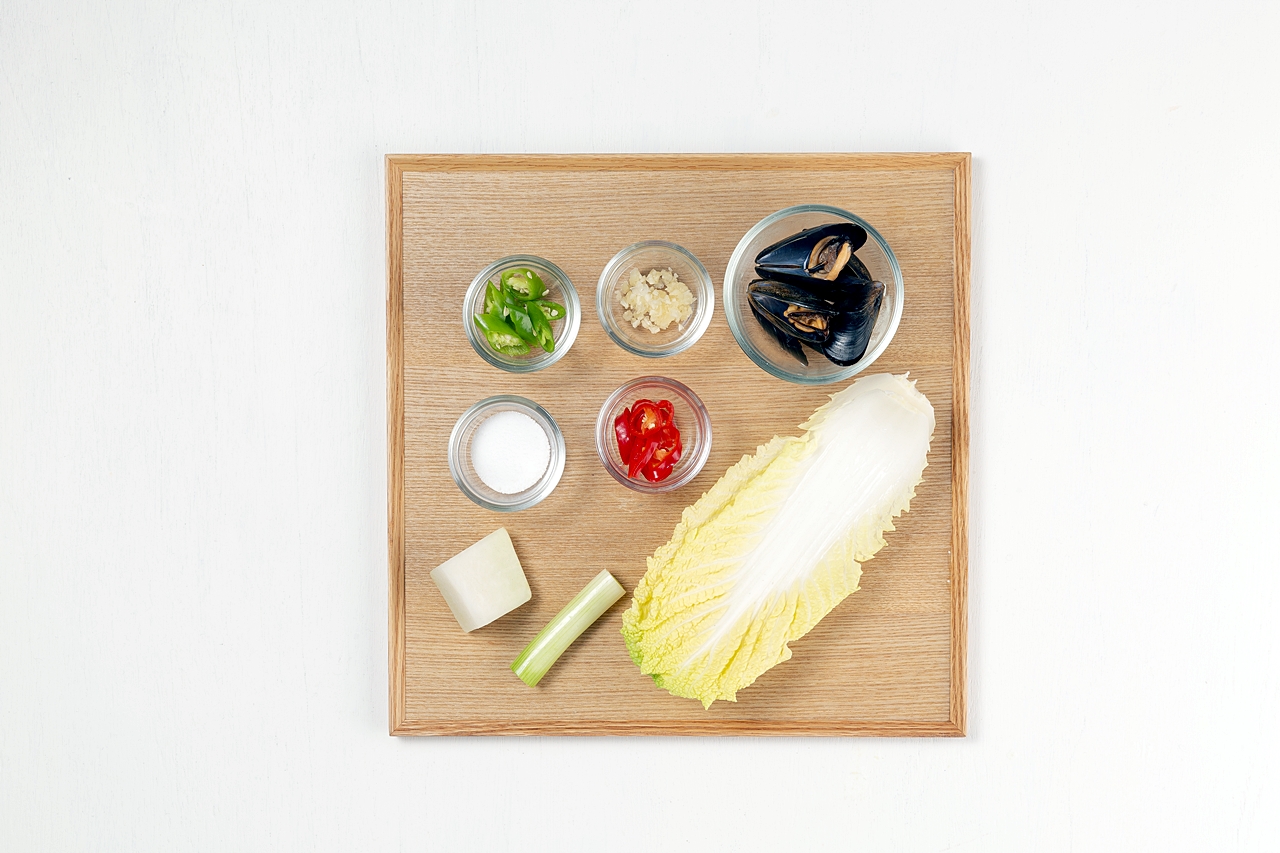
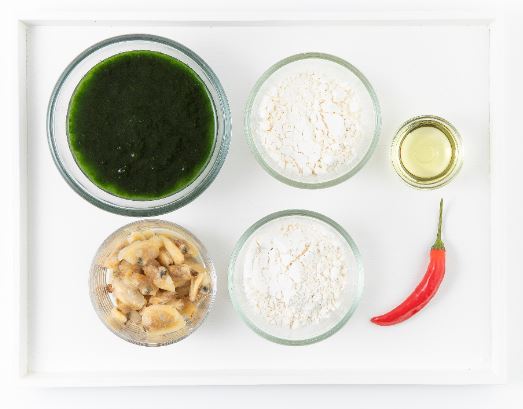
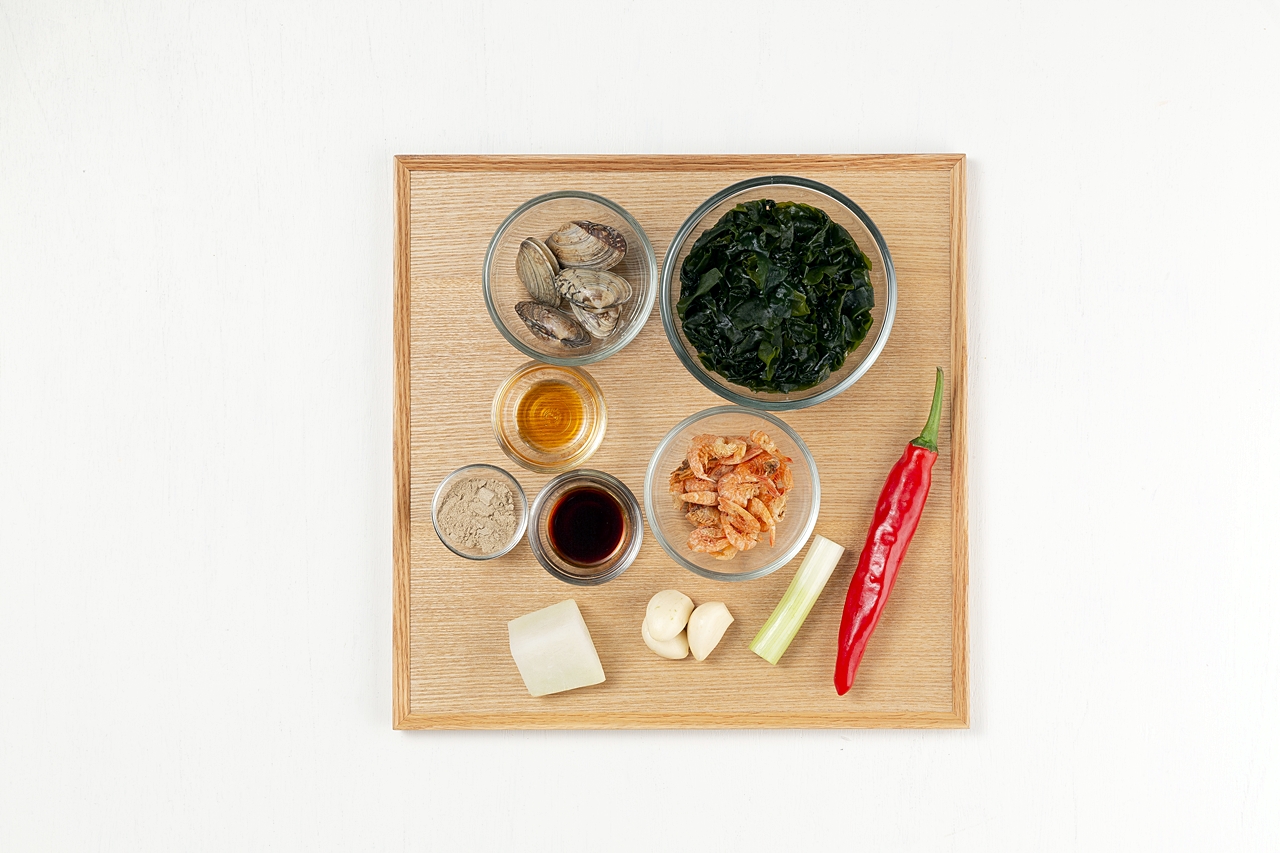
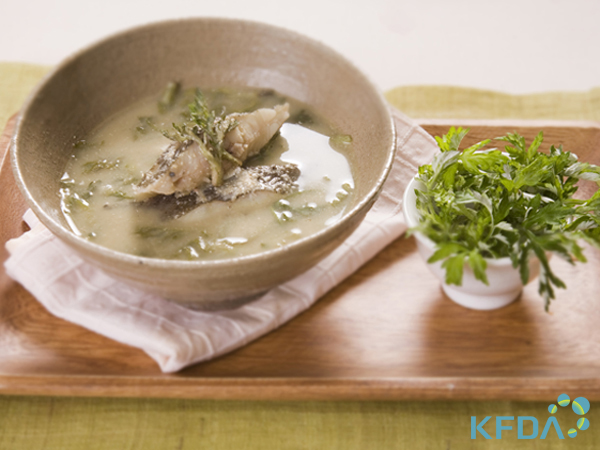
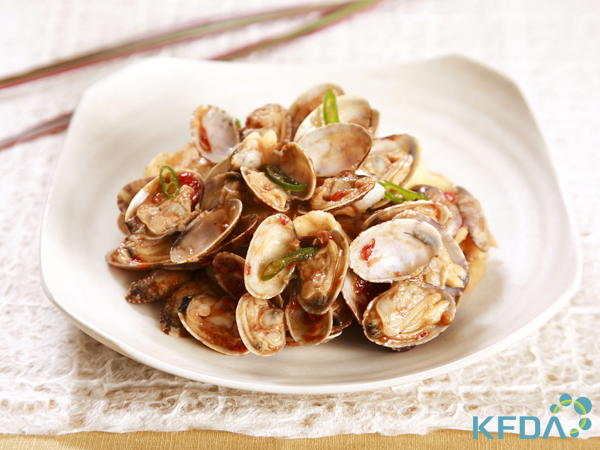
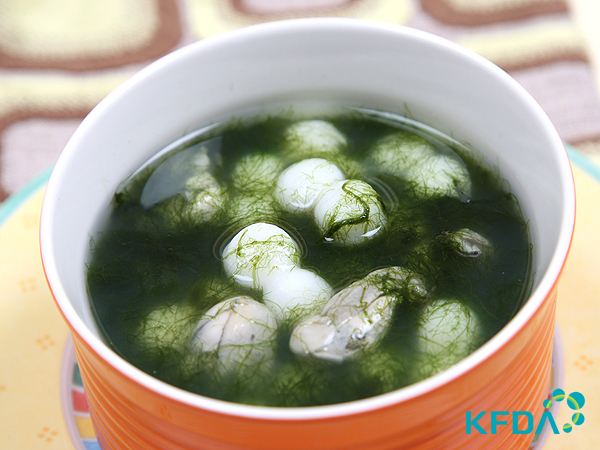
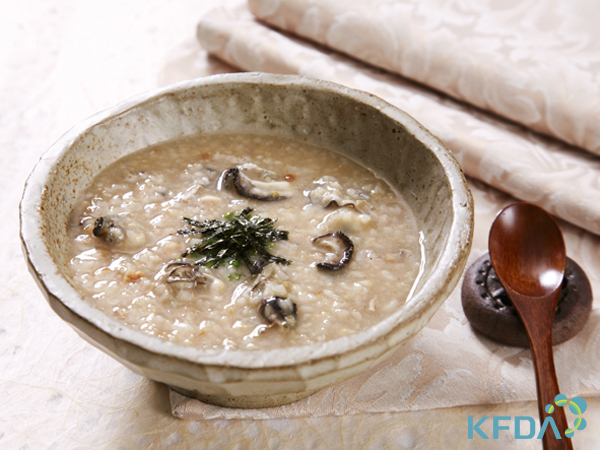
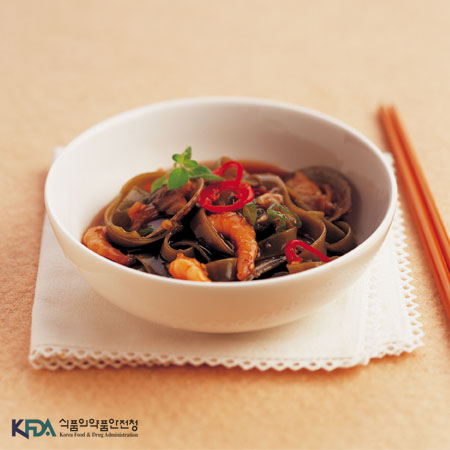
Clams flavor doenjang jjigae, soft tofu stew, knife-cut noodles (bajirak kalguksu) and clear clam soup (jogae-tang). Mussels make a simple, garlicky soup (honghap-tang). Oysters go into rice, soups and fresh kimchi in winter, and abalone — prized as a nourishing food — is cooked into porridge (jeonbok-juk), braised or grilled with butter.
Purging and cleaning
Soak clams in salted water (about the saltiness of seawater) in a dark place for 1–2 hours so they spit out sand, then scrub the shells. Discard any that stay open when tapped. Scrub mussels and pull off the beards. Clean abalone by scrubbing with a brush and loosening the meat from the shell with a spoon.
🧊 How to store it
Keep live shellfish in the fridge covered with a damp cloth (not in water or sealed plastic) and cook within a day.
🔄 Substitutes
Clams and mussels can usually replace each other. Canned clams with their juice work in a pinch for soups.
🛒 Where to buy
This is a fresh ingredient, so it is best bought in person at a Korean or pan-Asian grocery store such as H Mart, or through an online Asian grocer that delivers fresh produce in your area. Look for it under its Korean name, 조개 (jogae).