Nut-Crusted Konjac Cutlet with Tomato Balsamic Sauce
곤약 가스
A plant-based cutlet of frozen-then-thawed konjac braised in soy and mirin, coated in whole wheat batter and chopped toasted almonds and peanuts and pan-fried, served with a tomato-balsamic sauce. Freezing konjac gives it a chewy texture, and nuts replace breadcrumbs.
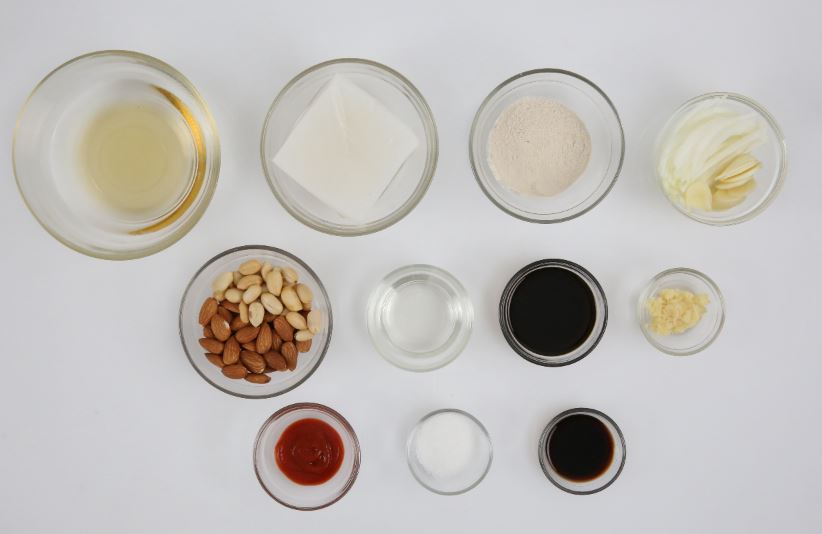
🥘 Ingredients
Tap an ingredient to check it off.
Konjac
Coating
Sauce
🧺 Korean ingredients in this recipe
- Konjac (Gonyak)Springy, nearly calorie-free jelly and noodles🛒 Shop on Amazon
- Cheongju & Mirin (Cooking Wine)Rice wines that tame fishy and meaty odors🛒 Shop on Amazon
- Korean Soy Sauce (Ganjang)Guk-ganjang, jin-ganjang and when to use each🛒 Shop on Amazon
- Garlic in Korean CookingMinced, sliced, pickled and black — the backbone of Korean flavor
As an Amazon Associate, coo K food earns from qualifying purchases.
📘 Cooking basics for this recipe
📝 Step-by-Step Instructions
Score the frozen konjac and braise for 5 minutes in a pot with the mirin, soy sauce, garlic and 40 ml of water.

Sauté the onion and garlic in a pan for 3 minutes, then add the tomato paste and sauté for 3 more minutes.

Add the vegetable broth, soy sauce, sugar and balsamic vinegar, simmer for 3 minutes and strain out the solids to make the sauce.

Toast the almonds and peanuts in a dry pan over medium heat for 5 minutes and chop finely.

Coat the braised konjac in a batter of the whole wheat flour and 40 ml of water, then in the chopped nuts.

Pan-fry in the oil over medium heat for 3–5 minutes per side and serve with the sauce.

📊 Nutrition Facts (per serving)
Nutrition values are taken from the original recipe data and are approximate.
🎥 Watch Cooking Videos
▶Search “Nut-Crusted Konjac Cutlet with Tomato Balsamic Sauce” on YouTubeFind cooking videos, tutorials, and tips→Source: adapted from the recipe database of the Ministry of Food and Drug Safety of Korea (Food Safety Korea), used under the Korea Open Government License (KOGL) Type 1. English translation and editing by coo K food.
🍽️ You Might Also Like
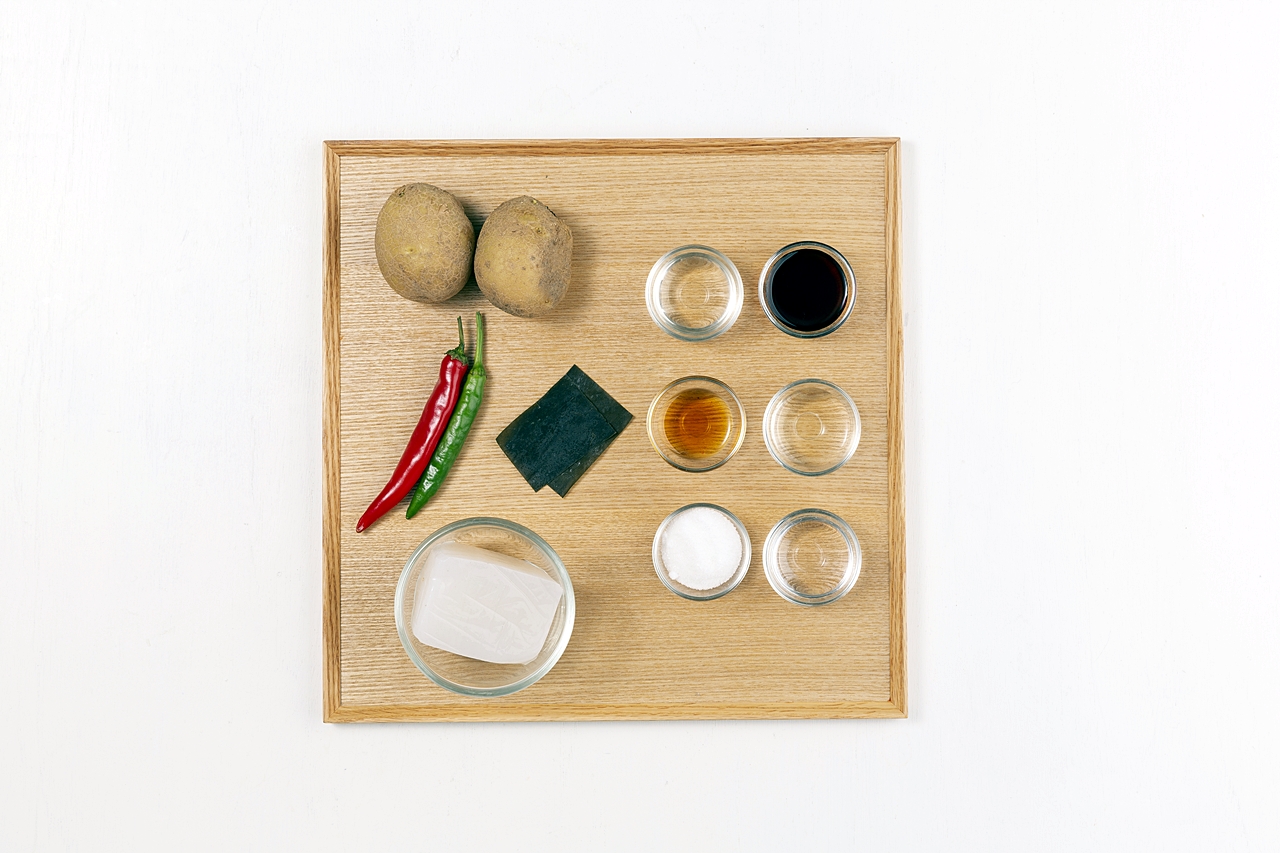
Braised Konjac & Potato in Kelp Soy Glaze
곤약 감자조림
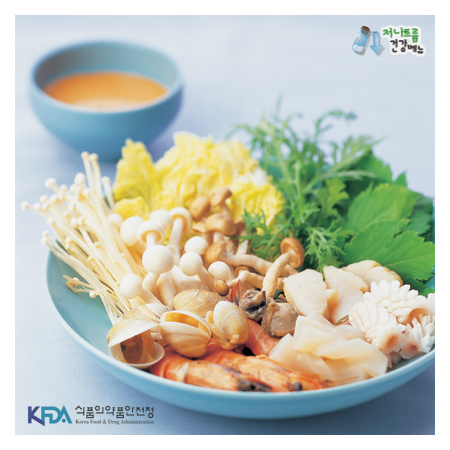
Seafood Shabu-Shabu with Sesame Peanut Dip
해산물 샤브샤브
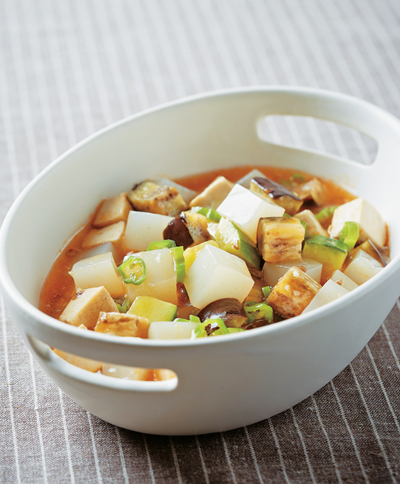
Braised Tofu & Konjac with Yuzu
두부곤약조림

Konjac Japchae
곤약잡채
Goji Berry Jangjorim with Pork, Quail Eggs & Konjac
구기자모듬장조림
Soy-Glazed Konjac Noodles with Granola Yogurt
간장곤약볶음국수