Konjac Japchae
곤약잡채
A light japchae made with konjac noodles instead of glass noodles, stir-fried with carrot, onion, chilies, cucumber, enoki and chives, topped with egg strips. Konjac and mushrooms add texture, and a sauce of seasoned soy sauce, garlic and green onion keeps the sodium low.
🇰🇷 A twist on Japchae — see the classic korean glass noodle stir-fry recipe →
🥘 Ingredients
Tap an ingredient to check it off.
Main
Sauce
Finishing
🧺 Korean ingredients in this recipe
- Konjac (Gonyak)Springy, nearly calorie-free jelly and noodles🛒 Shop on Amazon
- Korean MushroomsShiitake, enoki, king oyster and other everyday mushrooms🛒 Shop on Amazon
- Korean Chili PeppersFresh green and red chilies, from mild to Cheongyang
- Garlic Chives (Buchu)Flat garlic chives for pancakes, kimchi and dumplings
- Korean Soy Sauce (Ganjang)Guk-ganjang, jin-ganjang and when to use each🛒 Shop on Amazon
- Garlic in Korean CookingMinced, sliced, pickled and black — the backbone of Korean flavor
- Korean Green Onions (Pa)Thick daepa, slender jjokpa and the green onions in almost every dish
- Sesame Oil & Sesame SeedsThe nutty finishing touch of Korean food🛒 Shop on Amazon
As an Amazon Associate, coo K food earns from qualifying purchases.
📘 Cooking basics for this recipe
📝 Step-by-Step Instructions
Rinse the konjac noodles, drain and sprinkle lightly with lemon juice.

Julienne the carrot, onion and chilies and stir-fry.

Peel the cucumber in a spiral, cut the enoki and garlic chives to suitable lengths, and stir-fry each briefly.

Cook the egg yolk and white into separate thin sheets and slice into strips.

Make the sauce in a pan and stir-fry the konjac in it.

Add the vegetables from step 2 to the konjac and stir-fry once more, then mix in the vegetables from step 3. Plate, top with the egg strips and finish with sesame oil and sesame seeds.

📊 Nutrition Facts (per serving)
Nutrition values are taken from the original recipe data and are approximate.
🎥 Watch Cooking Videos
▶Search “Konjac Japchae” on YouTubeFind cooking videos, tutorials, and tips→Source: adapted from the recipe database of the Ministry of Food and Drug Safety of Korea (Food Safety Korea), used under the Korea Open Government License (KOGL) Type 1. English translation and editing by coo K food.
🍽️ You Might Also Like
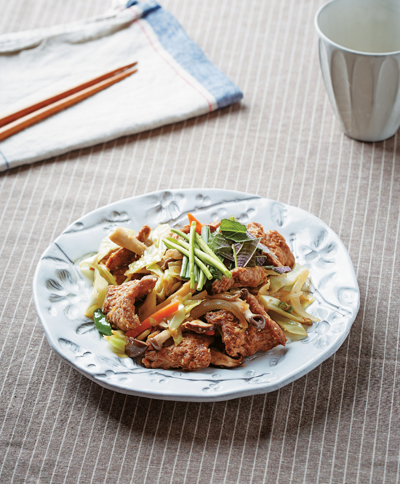
Mushroom & Soy Meat Bulgogi
버섯콩불고기
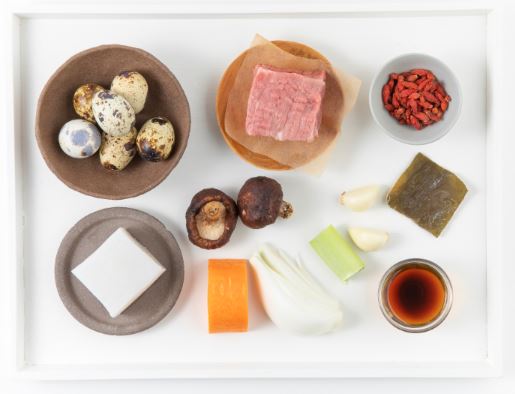
Goji Berry Jangjorim with Pork, Quail Eggs & Konjac
구기자모듬장조림

Mushroom Soft Tofu Stew
버섯순두부찌개
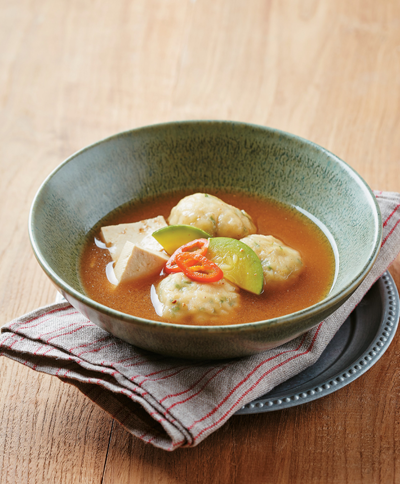
Doenjang Soup with Rolled Dumplings (Gullim-mandu)
굴림만두된장국
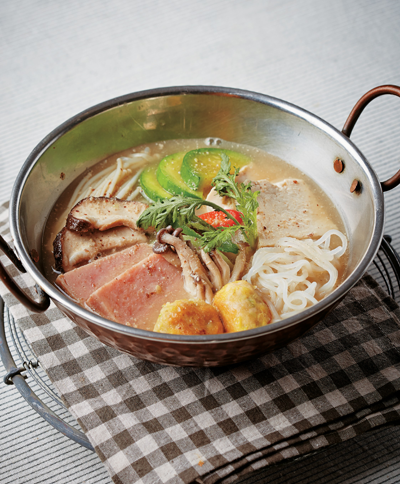
Nagasaki-Style Budae-jjigae
나가사키부대찌개
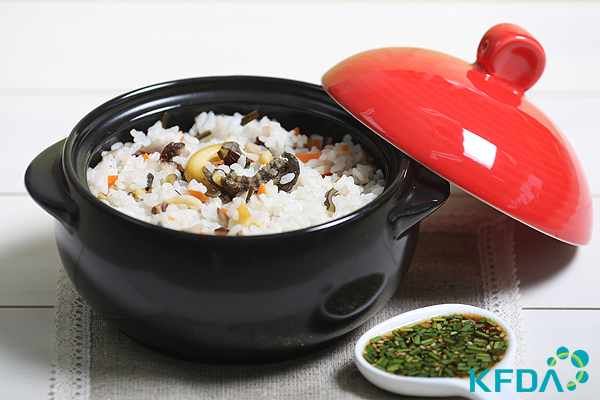
Abalone Nutrition Rice with Garlic Chive Sauce
전복영양밥과 부추양념장