Sprout Bibimbap with Apple Gochujang
새싹 비빔밥
Rice topped with mixed sprouts, radish sprouts, celery, crown daisy and radish, served with a low-sodium stir-fried gochujang made with ground beef and grated apple.
🇰🇷 A twist on Bibimbap — see the classic korean mixed rice bowl recipe →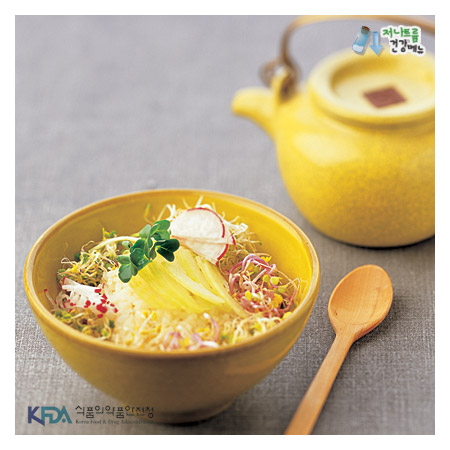
🥘 Ingredients
Tap an ingredient to check it off.
Main
Low-sodium stir-fried gochujang (5 servings)
Beef seasoning (5 servings)
🧺 Korean ingredients in this recipe
- Crown Daisy (Ssukgat)Aromatic edible chrysanthemum greens
- Korean Radish (Mu)Dense, sweet, crunchy Korean radish
- GochujangKorea's sweet, spicy fermented chili paste🛒 Shop on Amazon
- Sesame Oil & Sesame SeedsThe nutty finishing touch of Korean food🛒 Shop on Amazon
- Korean Green Onions (Pa)Thick daepa, slender jjokpa and the green onions in almost every dish
- Garlic in Korean CookingMinced, sliced, pickled and black — the backbone of Korean flavor
As an Amazon Associate, coo K food earns from qualifying purchases.
📘 Cooking basics for this recipe
- How to Cook Korean Rice (Bap)Short-grain rice in a pot, a rice cooker or a pressure cooker, plus multigrain rice and nurungji
- Korean Recipe Measurements: Spoons, Cups, Grams and SaltHow to read Korean recipe amounts, convert grams to spoons and choose the right salt
- Korean Knife Cuts: Julienne, Diagonal, Cubes and MoreThe six cuts Korean recipes use, and why each dish calls for its own shape
📝 Step-by-Step Instructions
Wash the sprouts and radish sprouts and drain.

Peel the celery and slice diagonally into 3 cm pieces.

Cut the crown daisy into 3 cm lengths and julienne the radish.

Season the ground beef.

Stir-fry the beef in a little oil, then add grated apple and the remaining sauce ingredients and stir-fry into a low-sodium gochujang.

Put the rice in a bowl, arrange the sprouts and vegetables around it and serve with the gochujang.

📊 Nutrition Facts (per serving)
Nutrition values are taken from the original recipe data and are approximate.
🎥 Watch Cooking Videos
▶Search “Sprout Bibimbap with Apple Gochujang” on YouTubeFind cooking videos, tutorials, and tips→Source: adapted from the recipe database of the Ministry of Food and Drug Safety of Korea (Food Safety Korea), used under the Korea Open Government License (KOGL) Type 1. English translation and editing by coo K food.
🍽️ You Might Also Like
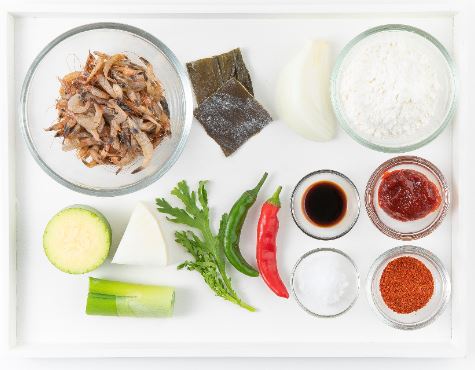
Freshwater Shrimp Stew with Hand-Torn Sujebi
새뱅이찌개
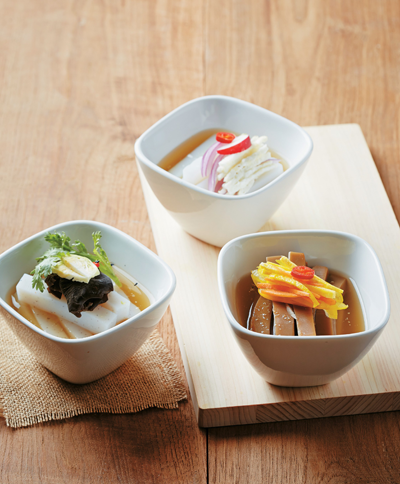
Chilled Three-Jelly Soup (Muk Naengguk)
삼색묵냉국
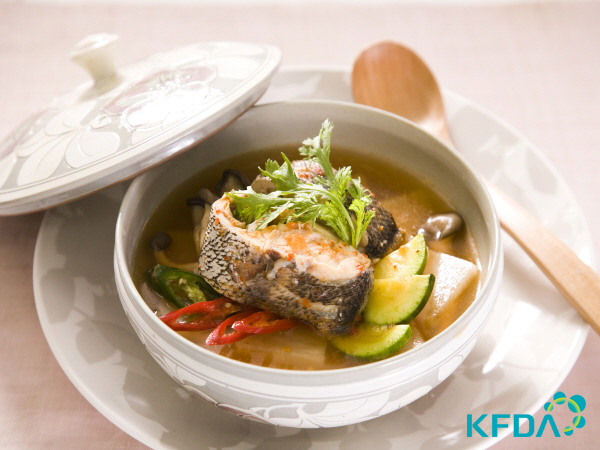
Spicy Croaker Stew (Mineo Maeuntang)
민어매운탕
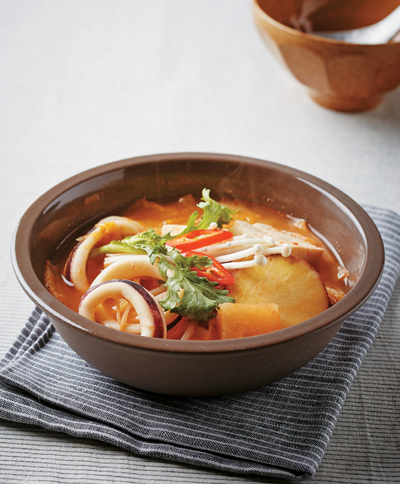
Squid Kimchi Stew
오징어김치찌개

Spring Greens Rice with Tofu Sauce
봄나물밥
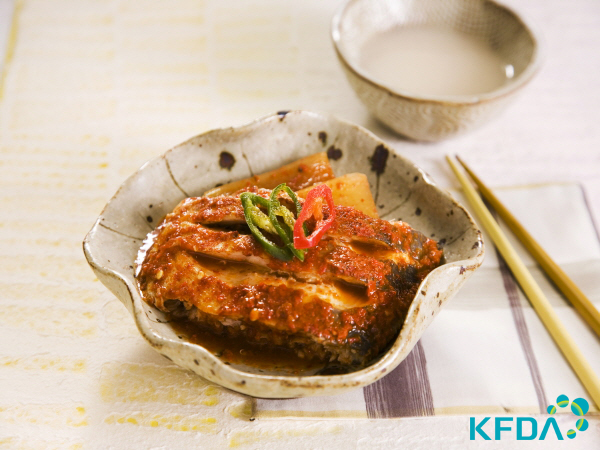
Braised Butterfish with Radish (Byeong-eo Jorim)
별미병어조림