Bibimbap (Korean Mixed Rice Bowl)
비빔밥bi-bim-bap
Rice topped with seasoned vegetables, beef, egg and gochujang sauce
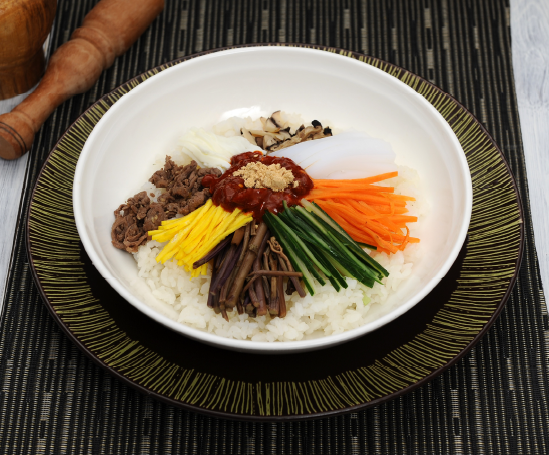
Bibimbap is warm rice topped with colorful seasoned vegetables (namul), a little beef and a fried egg, served with a sweet-spicy gochujang sauce. The magic happens when you mix everything together just before eating.
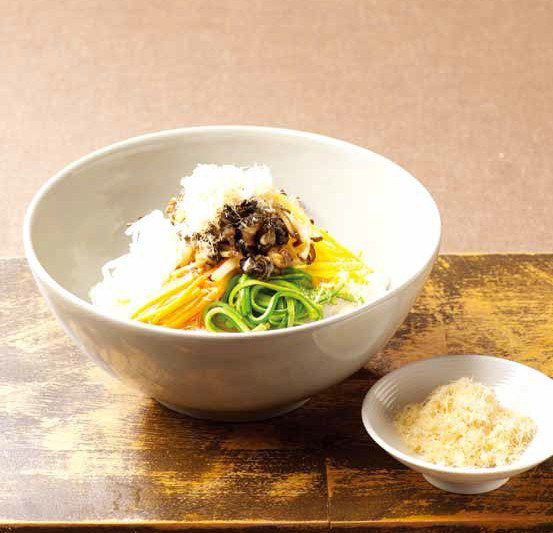
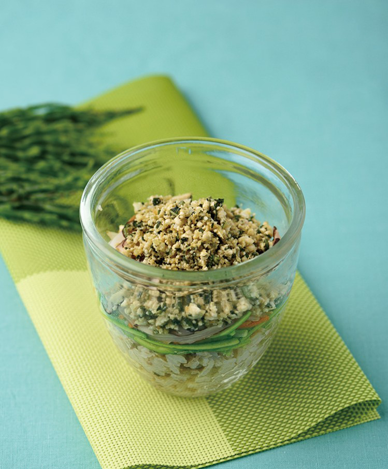
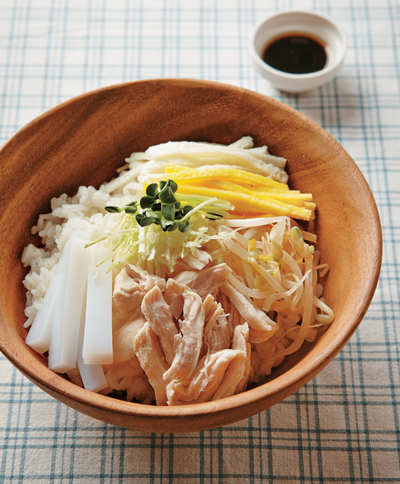
Looking for a twist? See 9 bibimbap variations ↓
🥘 Ingredients for classic bibimbap
Tap an ingredient to check it off.
Base
Vegetables
Beef
Bibimbap sauce
🧺 Korean ingredients in this dish
- Bean Sprouts (Kongnamul & Sukju)Soybean and mung bean sprouts for soups and namul
- Korean Zucchini (Aehobak)Tender, pale-green Korean summer squash
- Korean MushroomsShiitake, enoki, king oyster and other everyday mushrooms🛒 Shop on Amazon
- Korean Wild Greens & Mountain RootsBellflower root, deodeok, bracken and dried greens
- Sesame Oil & Sesame SeedsThe nutty finishing touch of Korean food🛒 Shop on Amazon
- Garlic in Korean CookingMinced, sliced, pickled and black — the backbone of Korean flavor
- Korean Soy Sauce (Ganjang)Guk-ganjang, jin-ganjang and when to use each🛒 Shop on Amazon
- GochujangKorea's sweet, spicy fermented chili paste🛒 Shop on Amazon
- Korean VinegarsBrown rice, persimmon and fruit vinegars for dressings and pickles🛒 Shop on Amazon
As an Amazon Associate, coo K food earns from qualifying purchases.
📝 How to make bibimbap
Blanch the spinach for 30 seconds and boil the bean sprouts for 5 minutes with the lid on. Rinse, squeeze dry and season each with a pinch of salt, a little garlic and sesame oil.
Julienne the carrot, zucchini and mushrooms. Salt the zucchini for 10 minutes and squeeze it. Sauté each vegetable briefly with a pinch of salt.
Marinate the beef with the soy sauce, sugar, garlic and sesame oil, and stir-fry until browned.
Mix the bibimbap sauce.
Fry the eggs sunny-side up.
Put rice in each bowl, arrange the vegetables and beef in sections on top, place an egg in the center and serve with the sauce. Mix everything well before eating.
💡 Tips for the best bibimbap
- For dolsot bibimbap, brush a stone bowl with sesame oil, add the rice and toppings and heat it until the rice crackles and forms a golden crust.
- Bibimbap is a great way to use leftover namul — any seasoned vegetables work.
- For a lighter, less salty bowl, use less sauce and add a spoonful of soy-sesame dressing instead.
What does bibimbap mean?
Bibim means mixing and bap means rice. Toppings are traditionally chosen for color as well as taste — white, yellow, green, red and black — and the city of Jeonju is famous for its elaborate version.