Gochujang
고추장go-chu-jang
Korea's sweet, spicy fermented chili paste
Gochujang is a thick, glossy red paste made from chili powder, glutinous rice, fermented soybean powder and salt. It is sweet, savory and spicy all at once, and together with doenjang and ganjang it is one of the three essential jang — the fermented sauces that season almost everything in a Korean kitchen.
- Korean name
- 고추장 (go-chu-jang)
- What it is
- Korea's sweet, spicy fermented chili paste
- Storage
- Refrigerate after opening and always scoop it with a clean, dry spoon.
- Substitute
- In a pinch, mix 1 tablespoon of red miso with 1–2 teaspoons of gochugaru (or a mild chili powder) and 1 teaspoon of honey or sugar.
- Recipes
- Used in 56 recipes on coo K food
How gochujang is made
Traditional gochujang is made in late winter. Glutinous rice is cooked into a thin porridge, often with barley malt (yeotgireum) that converts its starch into sugar. The porridge is mixed with gochugaru, powdered meju (dried fermented soybean blocks) and salt, then left to ferment for months in earthenware onggi jars set out in the sun. The malt is why good gochujang tastes naturally sweet.
Most supermarket gochujang is made faster with wheat or rice and sweetened with corn syrup or rice syrup, which makes it smoother, sweeter and slightly less complex. Both kinds work in the recipes on this site.
Flavor and heat
Gochujang tastes deeply savory from fermentation, with a rounded sweetness and a heat that builds slowly instead of stinging. Tubs sold in Korea are labeled by heat level, from mild (sun-mat) to very hot (maeun-mat), so check the label if you are sensitive to spice.
Because it is thick and contains sugar, gochujang scorches easily over high heat. Loosen it with water, stock, vinegar or a little oil before it goes into a hot pan, and add it to stews once the liquid is already simmering.
How it is used in Korean cooking
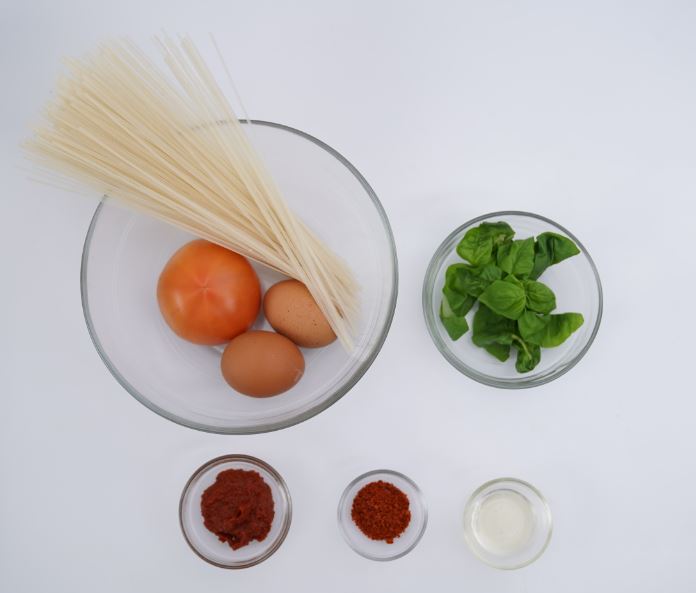
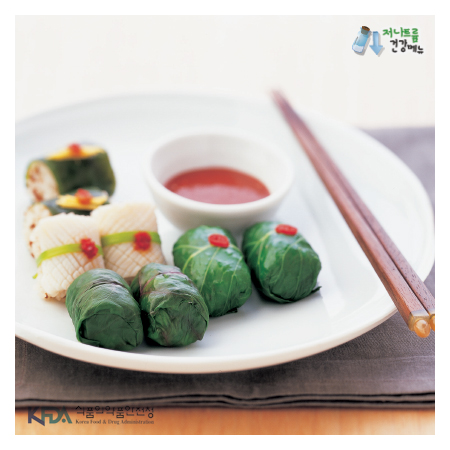
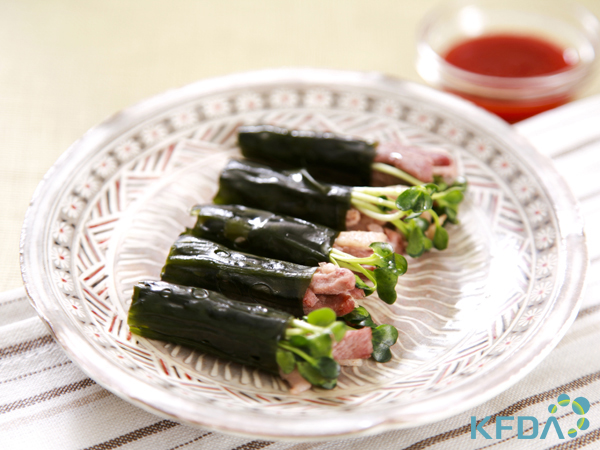
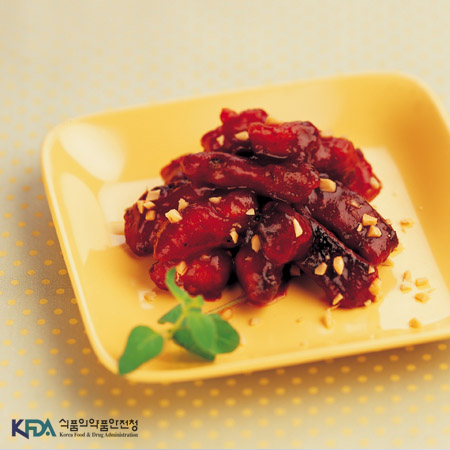
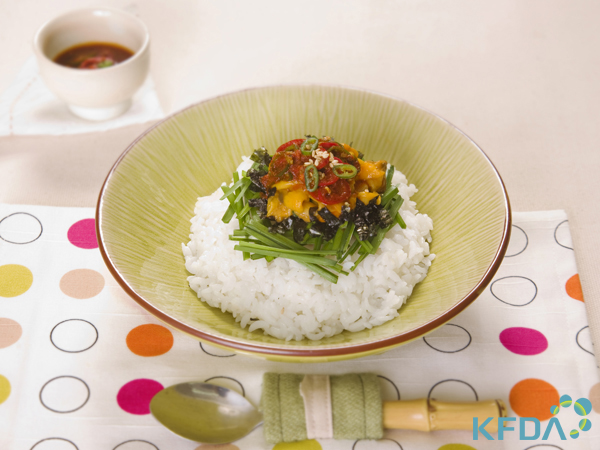
It is the base of tteokbokki sauce, the sauce stirred into bibimbap, cho-gochujang (gochujang with vinegar and sugar, served with raw fish and blanched vegetables), spicy stir-fried pork (jeyuk-bokkeum) and gochujang-jjigae. A spoonful also gives depth to marinades, glazes for grilled fish or roots, salad dressings and fusion dishes such as pasta sauces.
Cooking with less salt
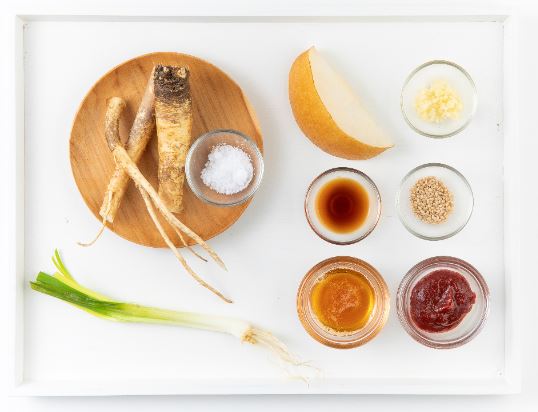
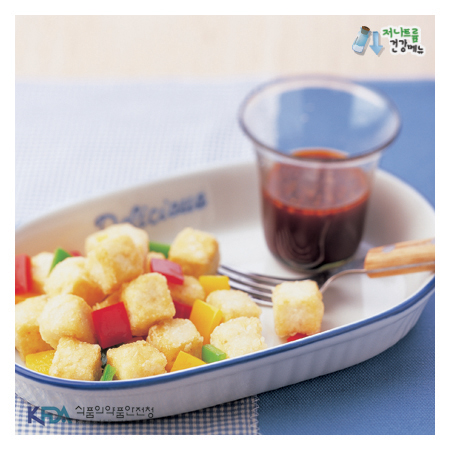
Gochujang is salty — a single tablespoon holds several hundred milligrams of sodium. Many recipes in this collection keep the flavor while using less of it: they stretch the paste with grated pear, blended tomato or kabocha, or replace part of it with gochugaru, which brings heat and color without the salt.
🧊 How to store it
Refrigerate after opening and always scoop it with a clean, dry spoon. It keeps for a year or more. The surface can darken over time; that is harmless oxidation, not spoilage.
🔄 Substitutes
Nothing tastes quite the same. In a pinch, mix 1 tablespoon of red miso with 1–2 teaspoons of gochugaru (or a mild chili powder) and 1 teaspoon of honey or sugar. Sriracha adds heat but none of the fermented depth.
🛒 Where to buy
Look for it at Korean or pan-Asian grocery stores such as H Mart, or order it online — it keeps well, so it is easy to stock up.
As an Amazon Associate, coo K food earns from qualifying purchases.