Spring Greens Rice with Tofu Sauce
봄나물밥
Brown and white rice cooked with crown daisy and wild chive stems, served with a nutty sauce of blended tofu, gochujang and doenjang. A homemade sauce made with tofu is far lower in sodium than store-bought bibimbap sauce.

🥘 Ingredients
Tap an ingredient to check it off.
Main
Tofu sauce
🧺 Korean ingredients in this recipe
- Crown Daisy (Ssukgat)Aromatic edible chrysanthemum greens
- Korean Green Onions (Pa)Thick daepa, slender jjokpa and the green onions in almost every dish
- GochujangKorea's sweet, spicy fermented chili paste🛒 Shop on Amazon
- DoenjangRustic fermented soybean paste🛒 Shop on Amazon
- Dried Kelp (Dasima)Kelp for clean, savory broth🛒 Shop on Amazon
- Tofu (Dubu)Firm, soft and silken tofu in Korean cooking
As an Amazon Associate, coo K food earns from qualifying purchases.
📘 Cooking basics for this recipe
- How to Make Korean Anchovy-Kelp BrothThe 20-minute stock behind most Korean soups, stews and noodle dishes
- How to Cook Korean Rice (Bap)Short-grain rice in a pot, a rice cooker or a pressure cooker, plus multigrain rice and nurungji
- Korean Recipe Measurements: Spoons, Cups, Grams and SaltHow to read Korean recipe amounts, convert grams to spoons and choose the right salt
📝 Step-by-Step Instructions
Soak the brown rice for about 1 hour and the white rice for 30 minutes, then mix.

Separate the stems and leaves of the crown daisy and wild chives and cut into 1 cm pieces.

Put the stems in a pot with the rice and water, bring to a boil over high heat, then reduce to medium-low and cook for 15 minutes.

Reduce to low heat and let the rice steam.

Blend the tofu sauce ingredients (except the kelp stock) until smooth, then simmer in a pan with the kelp stock and reserved leaves.

Serve the greens rice with the tofu sauce.

📊 Nutrition Facts (per serving)
Nutrition values are taken from the original recipe data and are approximate.
🎥 Watch Cooking Videos
▶Search “Spring Greens Rice with Tofu Sauce” on YouTubeFind cooking videos, tutorials, and tips→Source: adapted from the recipe database of the Ministry of Food and Drug Safety of Korea (Food Safety Korea), used under the Korea Open Government License (KOGL) Type 1. English translation and editing by coo K food.
🍽️ You Might Also Like
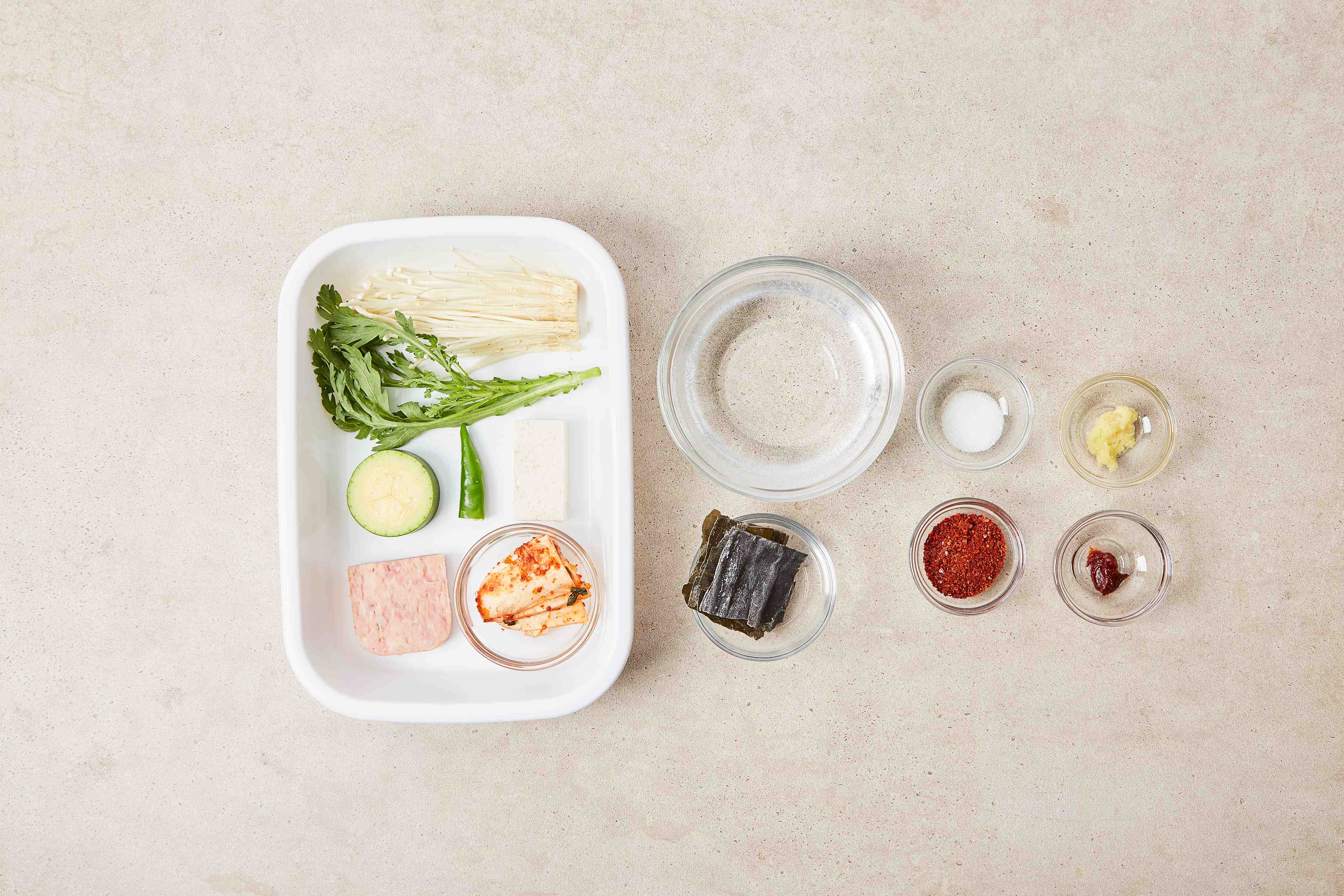
Crown Daisy Budae-jjigae
쑥갓부대찌개
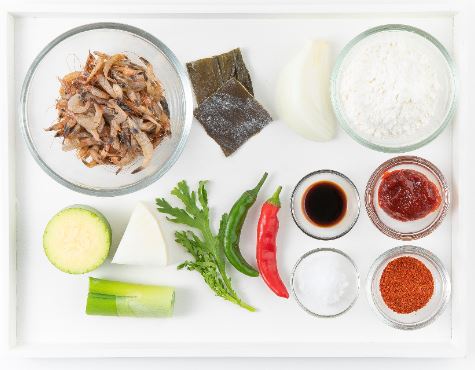
Freshwater Shrimp Stew with Hand-Torn Sujebi
새뱅이찌개
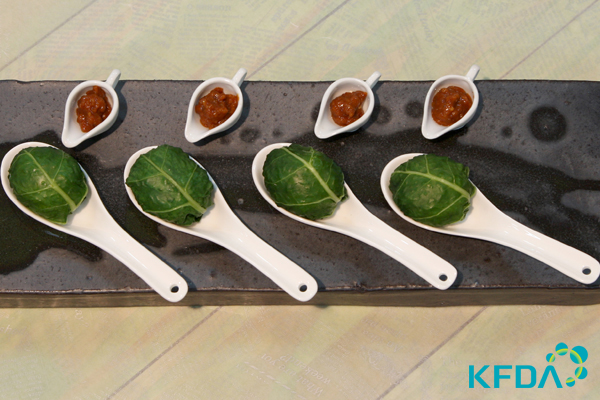
Swiss Chard Rice Wraps with Anchovy Nut Ssamjang
근대쌈밥과 멸치견과류쌈장
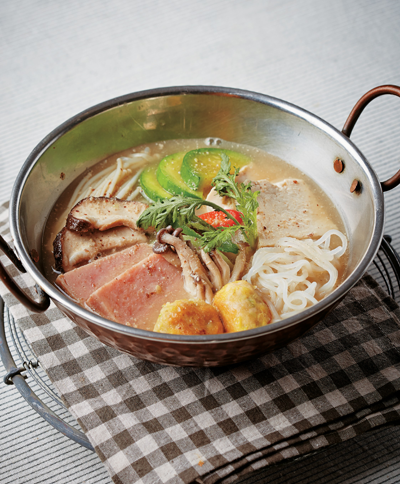
Nagasaki-Style Budae-jjigae
나가사키부대찌개
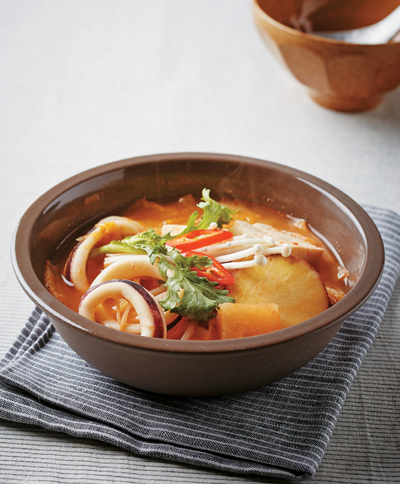
Squid Kimchi Stew
오징어김치찌개

Chilled Silken Tofu & Radish Sprout Soup
연두부 무순 냉국