Dakgalbi (Spicy Stir-Fried Chicken)
닭갈비dak-gal-bi
Chuncheon-style chicken, cabbage and rice cakes in a spicy gochujang sauce
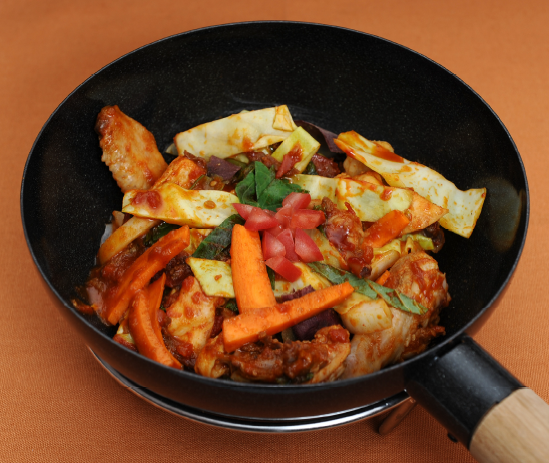
Dakgalbi is boneless chicken marinated in a spicy-sweet gochujang sauce and stir-fried in a big pan with cabbage, sweet potato, rice cakes and perilla leaves. In its home city of Chuncheon it is cooked at the table on a wide iron pan, and the meal ends by frying rice in the sauce that is left.
Looking for a twist? See 2 dakgalbi variations ↓
🥘 Ingredients for classic dakgalbi
Tap an ingredient to check it off.
Main
Marinade
Fried rice (optional)
🧺 Korean ingredients in this dish
- Korean Sweet Potato (Goguma)Purple-skinned, chestnut-sweet sweet potatoes for snacks and sweets
- Rice Cakes (Tteok)Chewy rice cakes for tteokbokki, soups and sweets🛒 Shop on Amazon
- Korean Green Onions (Pa)Thick daepa, slender jjokpa and the green onions in almost every dish
- Perilla Leaves (Kkaennip)Aromatic leaves for wrapping, pickling and frying
- GochujangKorea's sweet, spicy fermented chili paste🛒 Shop on Amazon
- GochugaruSun-dried Korean chili flakes🛒 Shop on Amazon
- Korean Soy Sauce (Ganjang)Guk-ganjang, jin-ganjang and when to use each🛒 Shop on Amazon
- Rice Syrup & Oligosaccharide SyrupLiquid sweeteners for glossy glazes and braises🛒 Shop on Amazon
- Garlic in Korean CookingMinced, sliced, pickled and black — the backbone of Korean flavor
- Ginger in Korean CookingFresh ginger, ginger juice and ginger syrup for marinades and teas
- Cheongju & Mirin (Cooking Wine)Rice wines that tame fishy and meaty odors🛒 Shop on Amazon
- Sesame Oil & Sesame SeedsThe nutty finishing touch of Korean food🛒 Shop on Amazon
- KimchiHow to choose, store and cook with kimchi🛒 Shop on Amazon
- Seaweed (Miyeok, Gim & More)Miyeok, gim, hijiki and other seaweeds🛒 Shop on Amazon
As an Amazon Associate, coo K food earns from qualifying purchases.
📝 How to make dakgalbi
Mix the marinade ingredients in a bowl. Add the chicken, toss well and marinate in the fridge for at least 30 minutes, or up to overnight.
If the rice cakes are hard, soak them in warm water for 10 minutes.
Heat the oil in a large, wide pan or cast-iron skillet over medium-high heat. Spread the cabbage, sweet potato and onion in the pan and lay the chicken and all its marinade on top.
Cook for 3–4 minutes without stirring, then stir-fry, scraping the bottom, for 8–10 minutes until the chicken is cooked through and the sweet potato is tender. Add a splash of water if the sauce starts to stick.
Add the rice cakes and green onions and cook for 2–3 minutes more, until the rice cakes are soft.
Turn off the heat, scatter over the perilla leaves and serve straight from the pan.
For fried rice, leave a few pieces of chicken and the sauce in the pan. Add the rice and kimchi, chop everything together with a spatula and stir-fry over medium heat. Press the rice flat to crisp the bottom, then finish with crumbled seaweed and a drizzle of sesame oil.
💡 Tips for the best dakgalbi
- Use thighs, not breast. Thigh meat stays juicy through the long stir-fry and soaks up the sauce.
- Putting the vegetables underneath the chicken lets them steam in the marinade and keeps the chili from scorching.
- Curry powder is a small amount in many Chuncheon recipes. You will not taste curry, but it rounds out the sauce.
- Cheese dakgalbi is a popular variation: push the chicken to the edges, fill the center with shredded mozzarella and let it melt for dipping.
Chuncheon dakgalbi
Dakgalbi is said to have started in Chuncheon, a city in Gangwon Province, in the 1960s, as a cheap alternative to beef ribs for students and soldiers — galbi means ribs, though the dish uses boneless chicken. The city still has a whole street of dakgalbi restaurants.
The table-side, pan-fried style is the one most people know. There is also a charcoal-grilled version (sutbul dakgalbi), where the marinated chicken is grilled piece by piece like barbecue.
Make it a meal
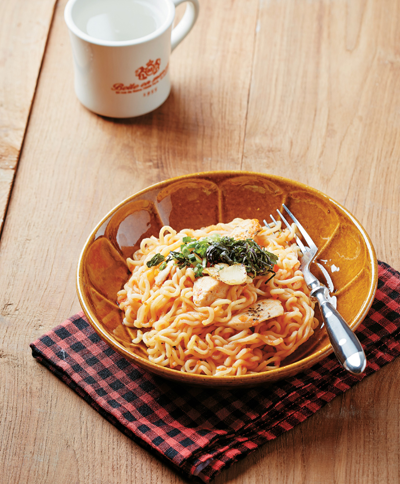
Serve it with lettuce or perilla leaves for wrapping, a bowl of rice or the fried rice at the end, and a cool side such as dongchimi or cucumber salad. Some restaurants also add udon or ramyeon noodles to the pan before the rice.