Bulgogi (Korean Marinated Beef)
불고기bul-go-gi
Thin slices of beef in a sweet soy, pear and garlic marinade
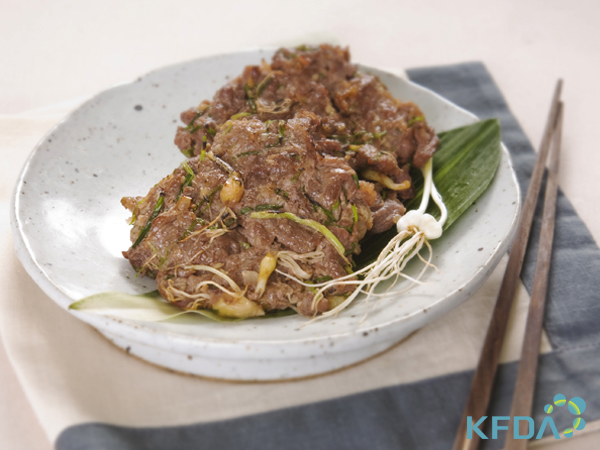
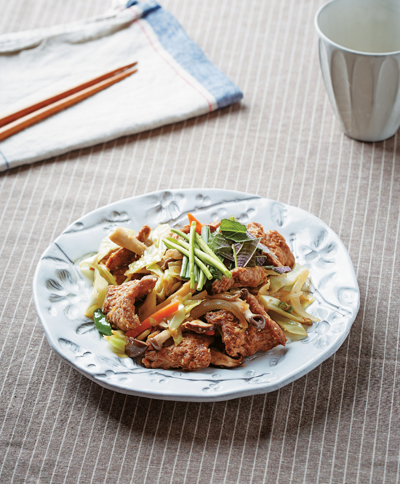
Bulgogi is thinly sliced beef soaked in a marinade of soy sauce, grated pear, garlic, sugar and sesame oil, then cooked quickly over high heat until caramelized at the edges. Sweet, savory and tender, it is one of the easiest Korean dishes to love and to make at home.
Looking for a twist? See 10 bulgogi variations ↓
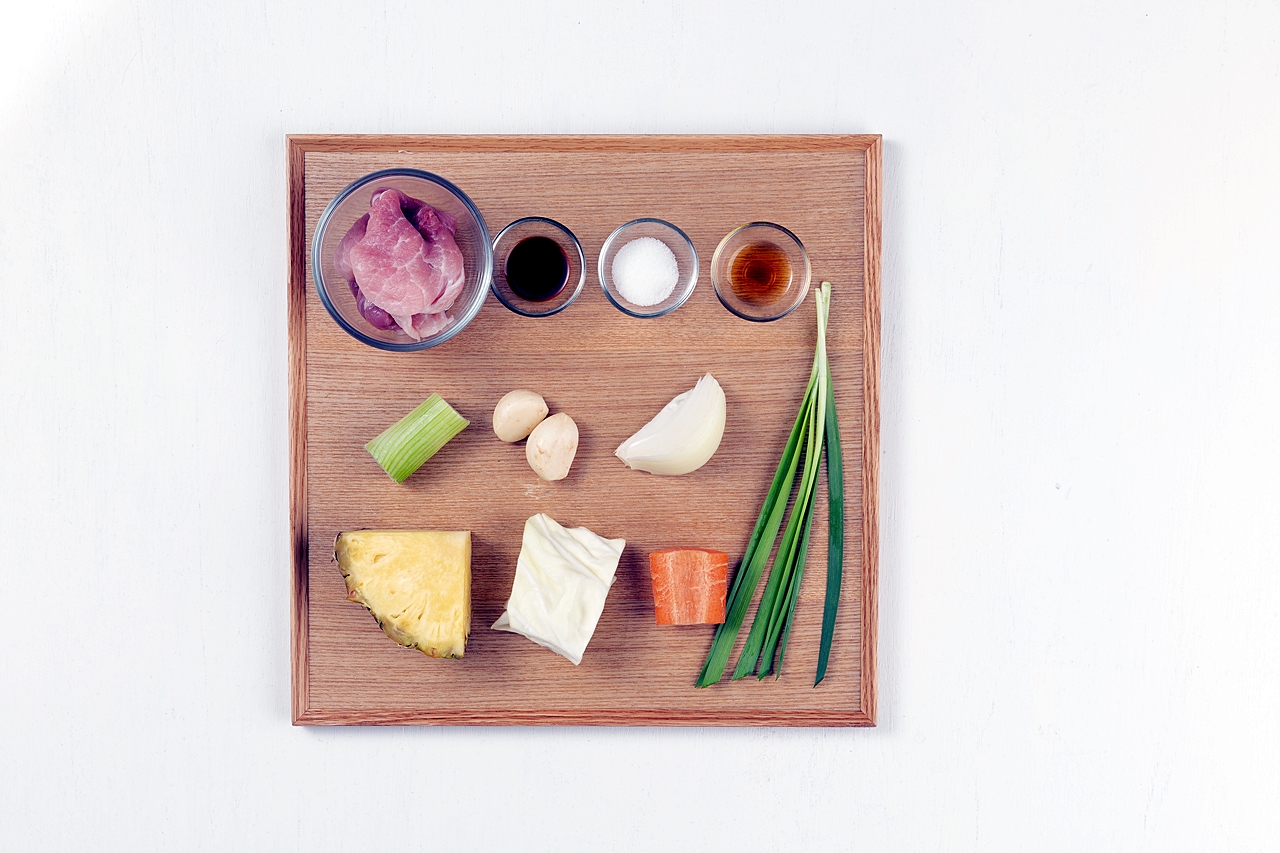
🥘 Ingredients for classic bulgogi
Tap an ingredient to check it off.
Main
Marinade
🧺 Korean ingredients in this dish
- Korean Green Onions (Pa)Thick daepa, slender jjokpa and the green onions in almost every dish
- Korean MushroomsShiitake, enoki, king oyster and other everyday mushrooms🛒 Shop on Amazon
- Sesame Oil & Sesame SeedsThe nutty finishing touch of Korean food🛒 Shop on Amazon
- Korean Soy Sauce (Ganjang)Guk-ganjang, jin-ganjang and when to use each🛒 Shop on Amazon
- Korean Pear (Bae)Juicy Asian pear — fruit, tenderizer and sweetener
- Garlic in Korean CookingMinced, sliced, pickled and black — the backbone of Korean flavor
- Cheongju & Mirin (Cooking Wine)Rice wines that tame fishy and meaty odors🛒 Shop on Amazon
As an Amazon Associate, coo K food earns from qualifying purchases.
📝 How to make bulgogi
If your beef is not pre-sliced, freeze it for 30–60 minutes until firm, then slice it as thinly as possible (2–3 mm) against the grain.
Mix all the marinade ingredients in a large bowl.
Add the beef and sliced onion, toss well and marinate in the fridge for at least 30 minutes, or up to overnight.
Heat a large pan over high heat. Cook the beef in batches, spread in a thin layer, for 3–5 minutes, until browned and most of the liquid has cooked off. Do not crowd the pan.
Add the green onions (and carrot or mushrooms) for the last minute.
Sprinkle with sesame seeds and serve with rice, lettuce leaves for wrapping and kimchi.
💡 Tips for the best bulgogi
- Grated pear sweetens the meat and helps tenderize it. Do not marinate longer than a day, or the texture turns mushy.
- High heat and small batches give caramelized edges instead of stewed meat.
- Spicy pork bulgogi (dwaeji bulgogi or jeyuk-bokkeum) uses a gochujang marinade instead — see the jeyuk-bokkeum guide.
What does bulgogi mean?
Bul means fire and gogi means meat. The dish is often traced back to maekjeok, skewered meat grilled over fire in ancient Korea, and was a dish of the upper classes before it became everyday food.
Ways to serve it
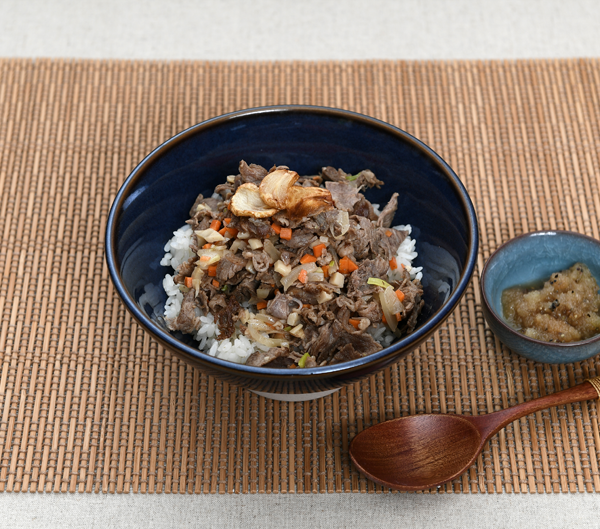
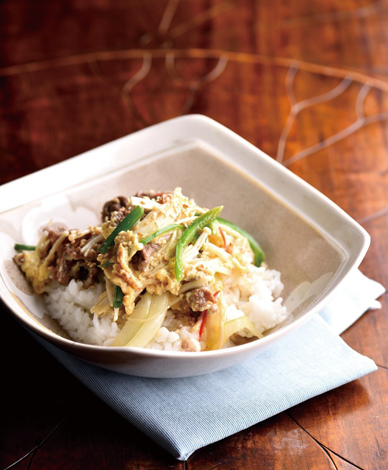
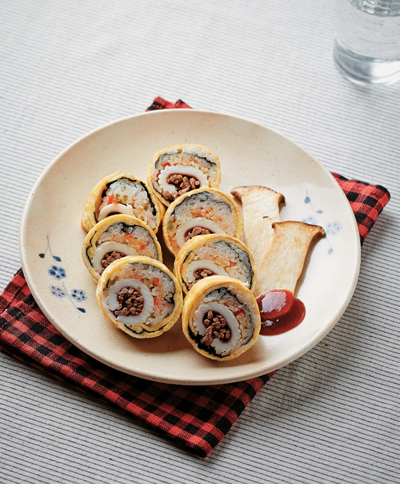
Eat it with rice and wrap it in lettuce with ssamjang, pile it onto rice as a rice bowl (bulgogi deopbap), roll it into kimbap, or cook it with broth and glass noodles in a shallow pot as Seoul-style bulgogi jeongol.