Ginger in Korean Cooking
생강saeng-gang
Fresh ginger, ginger juice and ginger syrup for marinades and teas
Ginger (saenggang) is used in Korea in small amounts but often: a little in kimchi paste, meat and fish marinades, and braises, where it removes gamey and fishy smells. It is also simmered into ginger tea and preserved as ginger syrup.
- Korean name
- 생강 (saeng-gang)
- What it is
- Fresh ginger, ginger juice and ginger syrup for marinades and teas
- Storage
- Keep unpeeled ginger in the fridge for a few weeks, or freeze it whole and grate it straight from frozen.
- Substitute
- Ground ginger can replace fresh in marinades (about ¼ teaspoon per teaspoon of fresh), but fresh is much better in kimchi.
- Recipes
- Used in 119 recipes on coo K food
How it is used
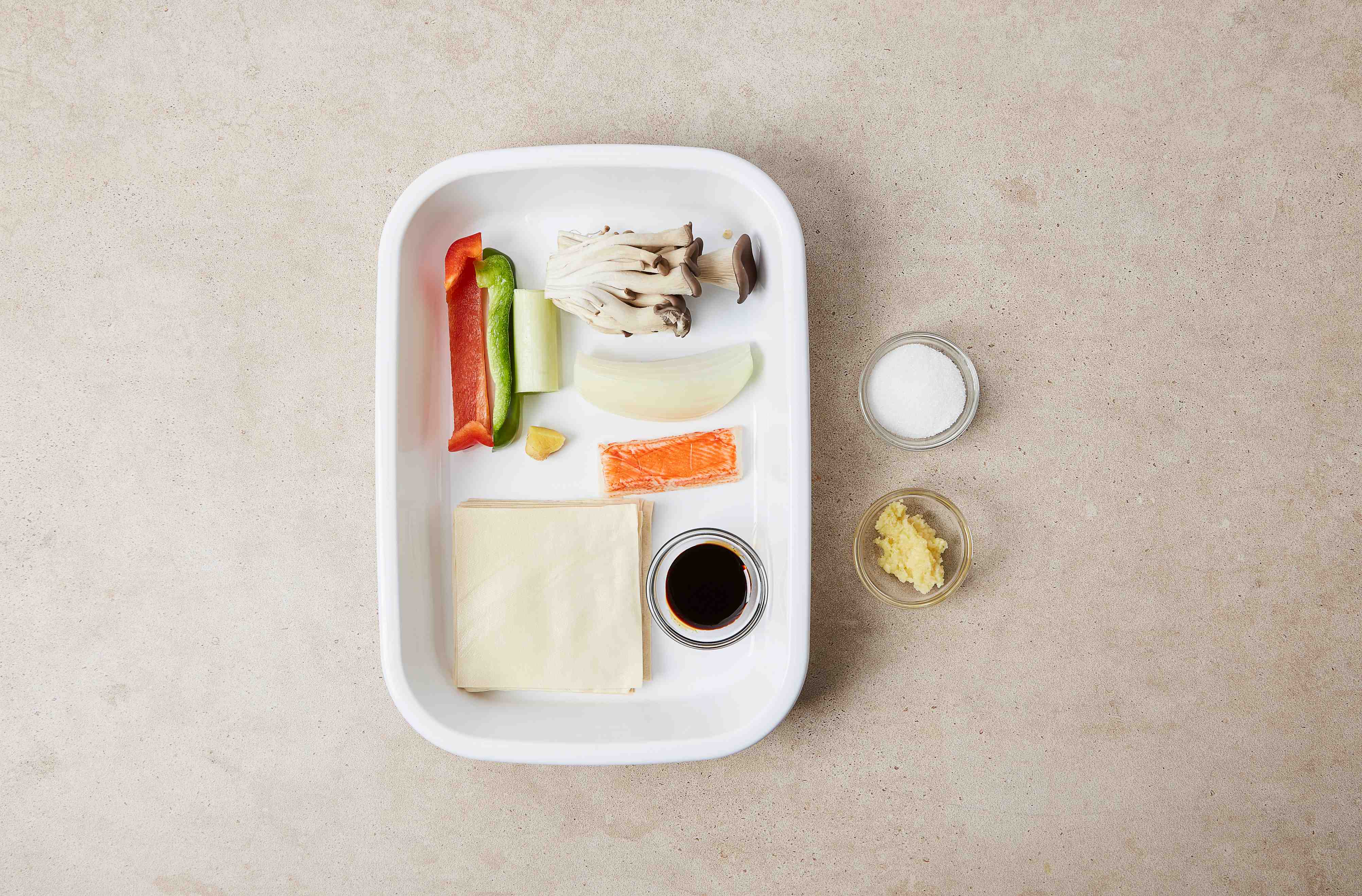
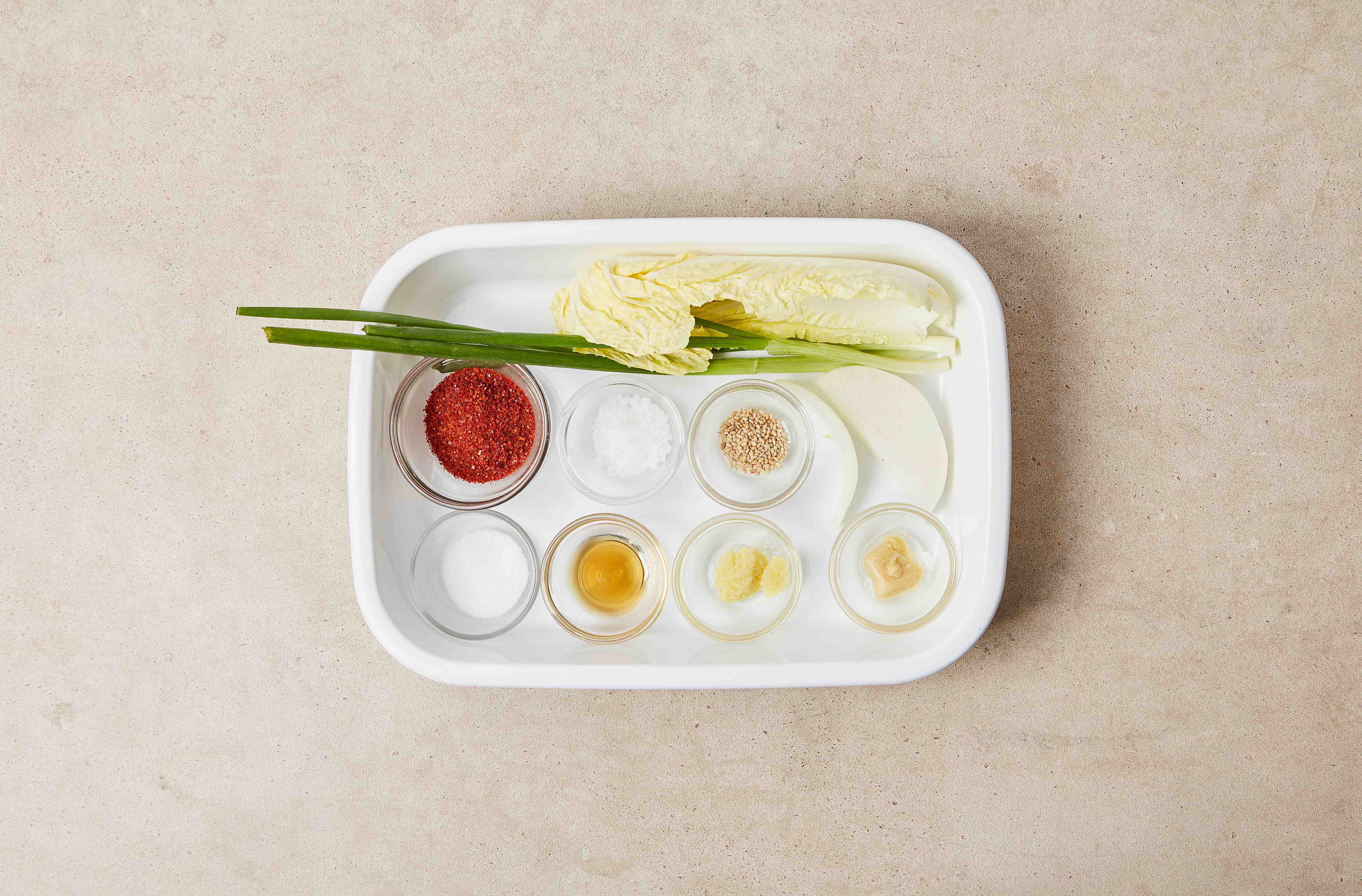
Minced or grated ginger goes into kimchi seasoning, bulgogi and galbi marinades, spicy pork, braised fish and pork belly boiled for bossam. Ginger juice (saenggang-jeup) — grated ginger squeezed through cloth — gives the flavor without fibers and is used in marinades and sweets. Saenggang-cheong (ginger preserved in sugar or honey) is stirred into hot water as a winter tea and used to sweeten drinks and sauces.
Prep tips
Scrape the skin off with the edge of a spoon. Ginger is strong, so Korean recipes usually call for just a teaspoon; too much overwhelms delicate dishes.
🧊 How to store it
Keep unpeeled ginger in the fridge for a few weeks, or freeze it whole and grate it straight from frozen.
🔄 Substitutes
Ground ginger can replace fresh in marinades (about ¼ teaspoon per teaspoon of fresh), but fresh is much better in kimchi.
🛒 Where to buy
This is a fresh ingredient, so it is best bought in person at a Korean or pan-Asian grocery store such as H Mart, or through an online Asian grocer that delivers fresh produce in your area. Look for it under its Korean name, 생강 (saenggang).