Seaweed (Miyeok, Gim & More)
미역 · 김mi-yeok · gim
Miyeok, gim, hijiki and other seaweeds
Korea’s long coastline makes seaweed (haecho) everyday food. The two most important are miyeok (wakame), eaten in soups and salads, and gim (laver), roasted into crisp sheets.
- Korean name
- 미역 · 김 (mi-yeok · gim)
- What it is
- Miyeok, gim, hijiki and other seaweeds
- Storage
- Keep dried seaweed airtight in a cool, dry place.
- Substitute
- Wakame is miyeok and nori is gim — Korean gim is usually thinner.
- Recipes
- Used in 52 recipes on coo K food
Miyeok
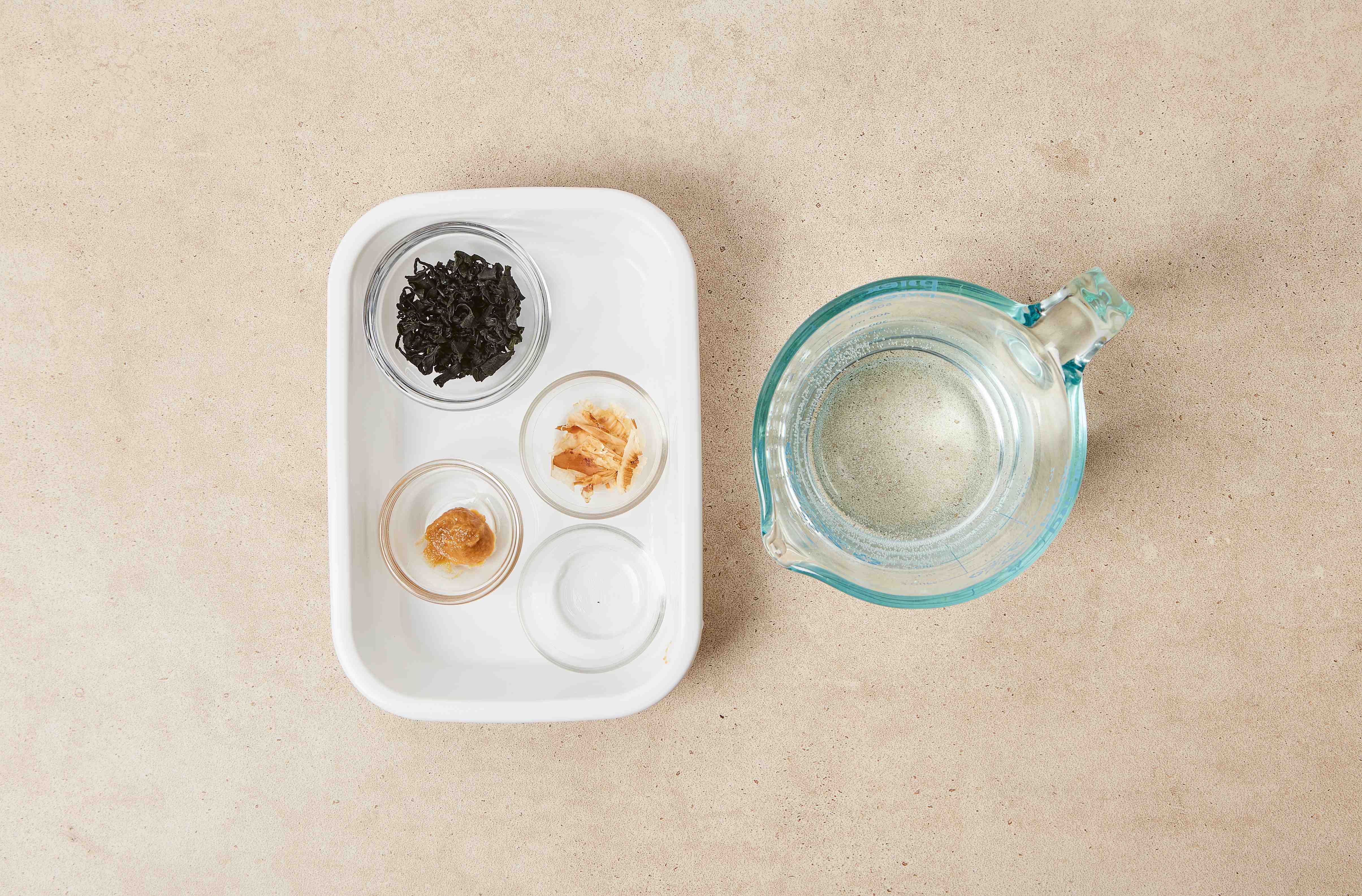
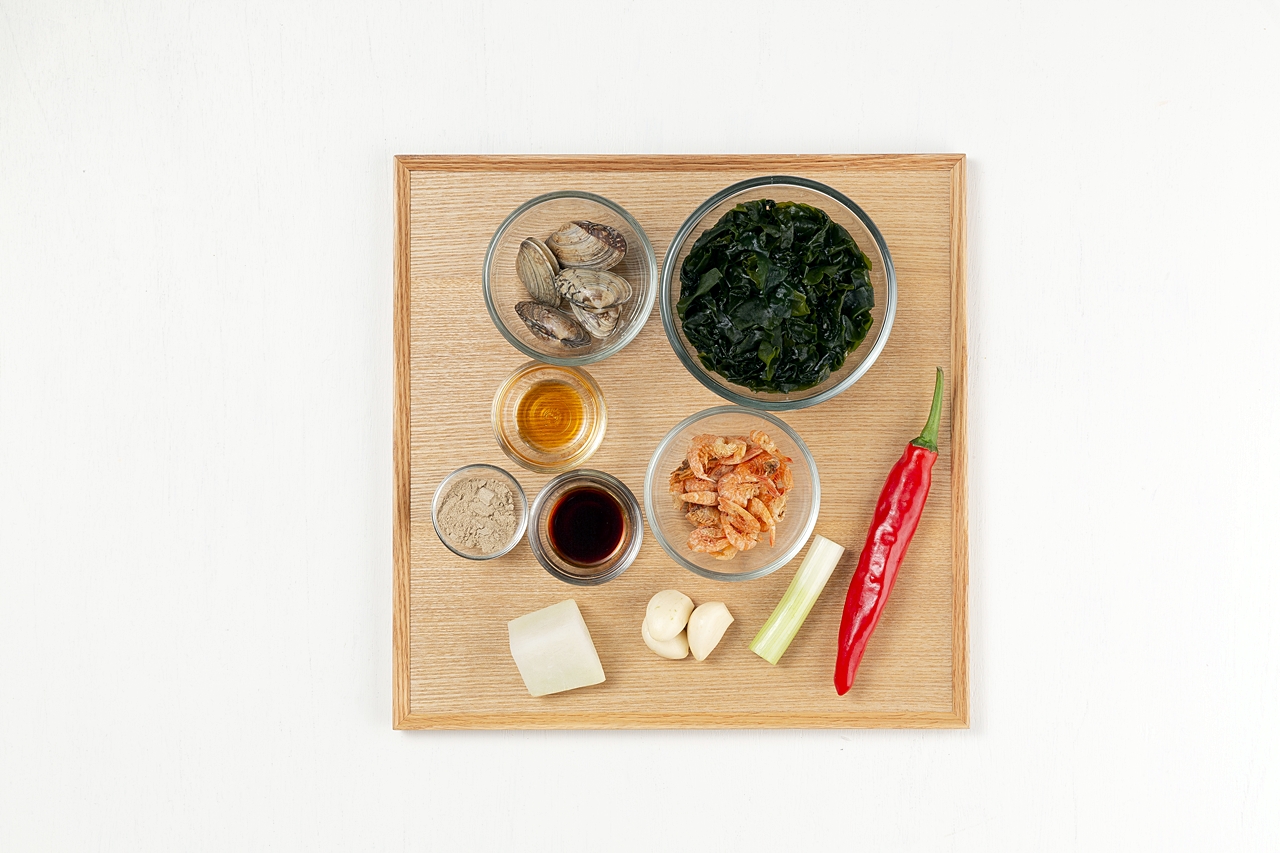
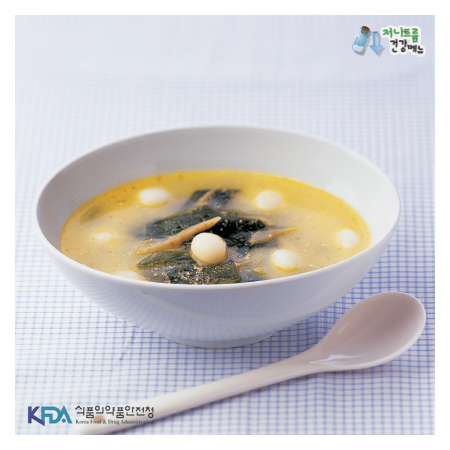
Miyeok-guk, seaweed soup, is eaten on birthdays and is traditionally given to new mothers after childbirth. Dried miyeok expands roughly tenfold: soak it for about 20 minutes, rinse, cut it, and sauté it in sesame oil with beef, clams or mussels before adding water. It is also dressed with vinegar (miyeok-muchim), and the thick stems are stir-fried.
Gim
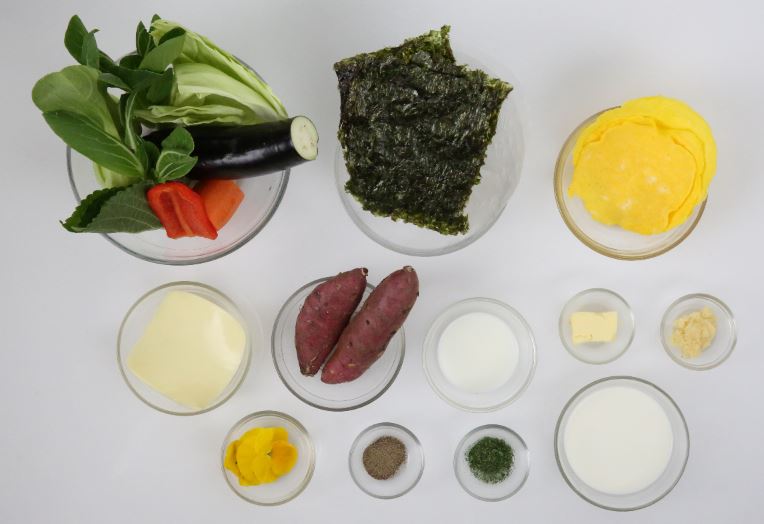
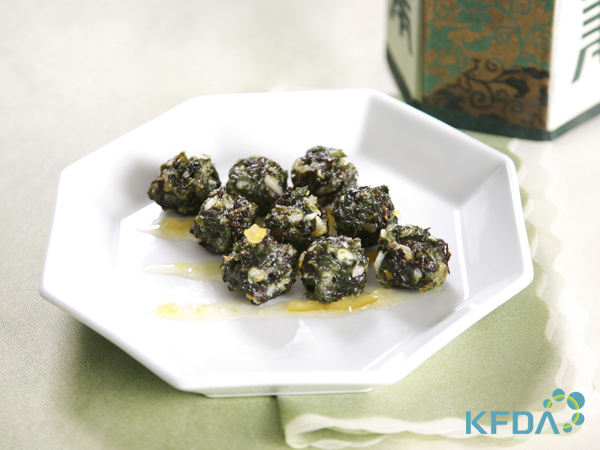
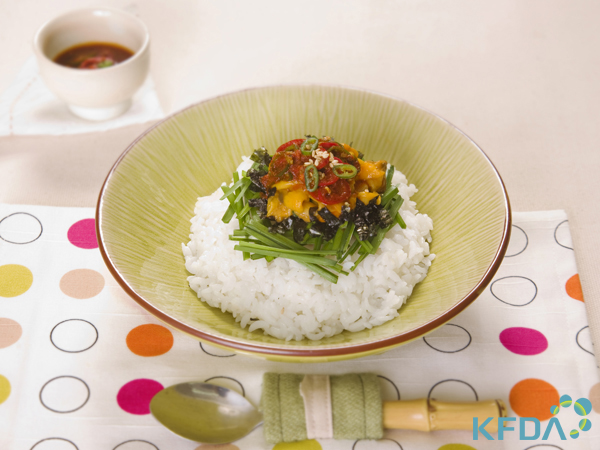
Gim is brushed with sesame or perilla oil, salted and toasted to make the crisp seasoned seaweed eaten with rice. Plain, thicker sheets are used for gimbap. Crumbled gim tops noodles, rice bowls and porridge.
Other seaweeds
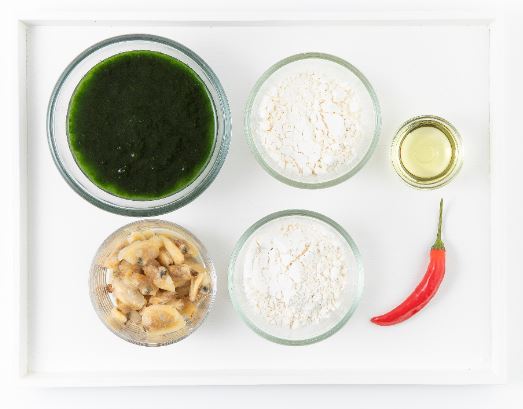
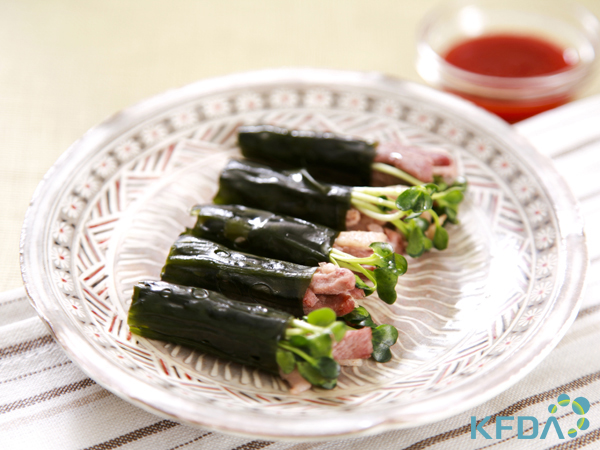
Tot (hijiki) is blanched and dressed with tofu or vinegar; maesaengi, a fine silky winter seaweed, goes into oyster soup and pancakes; and kelp (dasima) is the basis of broth. Seaweeds are naturally salty but also rich in potassium — rinse salted seaweed well before using it.
🧊 How to store it
Keep dried seaweed airtight in a cool, dry place. Store gim in the freezer to keep it crisp.
🔄 Substitutes
Wakame is miyeok and nori is gim — Korean gim is usually thinner.
🛒 Where to buy
Look for it at Korean or pan-Asian grocery stores such as H Mart, or order it online — it keeps well, so it is easy to stock up.
As an Amazon Associate, coo K food earns from qualifying purchases.