Japchae (Korean Glass Noodle Stir-Fry)
잡채jap-chae
Chewy sweet potato noodles tossed with vegetables, beef and sesame
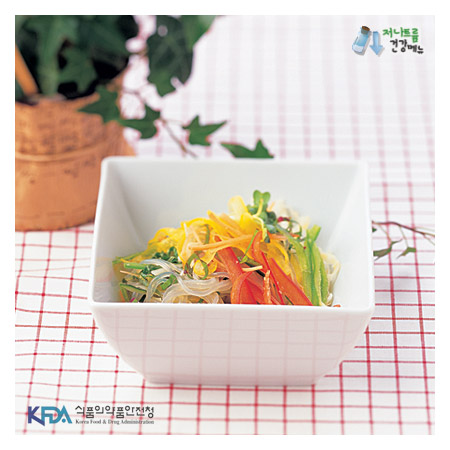
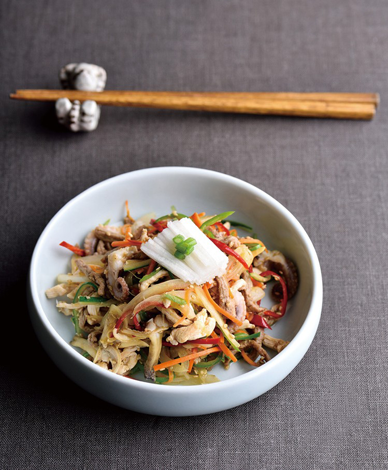
Japchae is a festive dish of glossy, chewy sweet potato starch noodles tossed with separately stir-fried vegetables, beef and mushrooms in a sweet soy and sesame sauce. It is served at birthdays, holidays and parties, warm or at room temperature.
Looking for a twist? See 7 japchae variations ↓
🥘 Ingredients for classic japchae
Tap an ingredient to check it off.
Noodles
Beef & marinade
Vegetables
Sauce
🧺 Korean ingredients in this dish
- Dangmyeon (Glass Noodles)Chewy sweet potato starch noodles🛒 Shop on Amazon
- Korean Soy Sauce (Ganjang)Guk-ganjang, jin-ganjang and when to use each🛒 Shop on Amazon
- Garlic in Korean CookingMinced, sliced, pickled and black — the backbone of Korean flavor
- Sesame Oil & Sesame SeedsThe nutty finishing touch of Korean food🛒 Shop on Amazon
- Korean MushroomsShiitake, enoki, king oyster and other everyday mushrooms🛒 Shop on Amazon
- Korean Green Onions (Pa)Thick daepa, slender jjokpa and the green onions in almost every dish
As an Amazon Associate, coo K food earns from qualifying purchases.
📝 How to make japchae
Soak the noodles in water for 30 minutes (or follow the package).
Marinate the beef and sliced shiitake with the marinade ingredients. Julienne the onion, carrot, pepper and green onions.
Blanch the spinach for 30 seconds, rinse, squeeze dry and season with a pinch of salt and a little sesame oil.
Stir-fry each vegetable separately in a little oil with a pinch of salt until just tender, setting each aside. Then stir-fry the beef and mushrooms.
Boil the noodles for 5–6 minutes until clear and chewy, drain and cut them a few times with kitchen scissors.
Toss the hot noodles with the sauce in a pan over low heat for 1–2 minutes so they absorb it.
Combine everything, adjust the seasoning, sprinkle with sesame seeds and garnish with egg ribbons if you like.
💡 Tips for the best japchae
- Cooking the vegetables separately keeps their colors and textures distinct.
- Season the noodles while they are hot — they absorb sauce best then.
- Reheat leftovers in a pan with a splash of water; cold noodles harden in the fridge.
From royal court to party table
Japchae means "mixed vegetables". It is said to have been created for a king’s banquet in the early 17th century, when it was a dish of vegetables and meat without noodles; sweet potato noodles were added in the 20th century and became its defining ingredient.