Korean Mushrooms
버섯beo-seot
Shiitake, enoki, king oyster and other everyday mushrooms
Mushrooms (beoseot) give Korean dishes a meaty texture and natural umami, and many recipes in this collection lean on them to cut back on salt.
- Korean name
- 버섯 (beo-seot)
- What it is
- Shiitake, enoki, king oyster and other everyday mushrooms
- Storage
- Keep fresh mushrooms in a paper bag in the fridge; leave enoki in their original pack.
- Substitute
- Most mushrooms are interchangeable by texture.
- Recipes
- Used in 210 recipes on coo K food
Shiitake (pyogo)
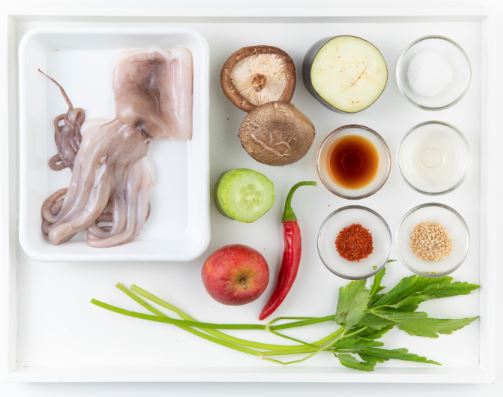
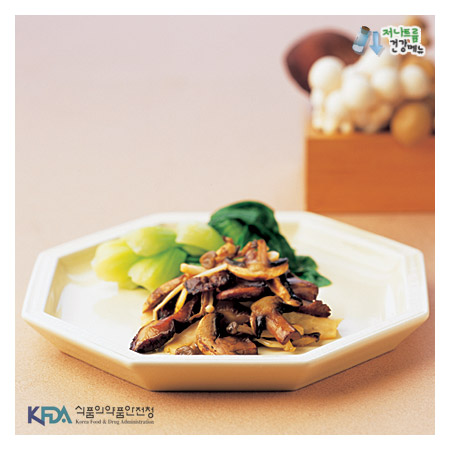
Fresh shiitake are stir-fried for japchae and bulgogi, stuffed and pan-fried (pyogo-jeon), and simmered in stews. Dried shiitake have a much deeper flavor; their soaking water is one of the best vegetarian broths, often combined with kelp.
Enoki, king oyster and oyster mushrooms
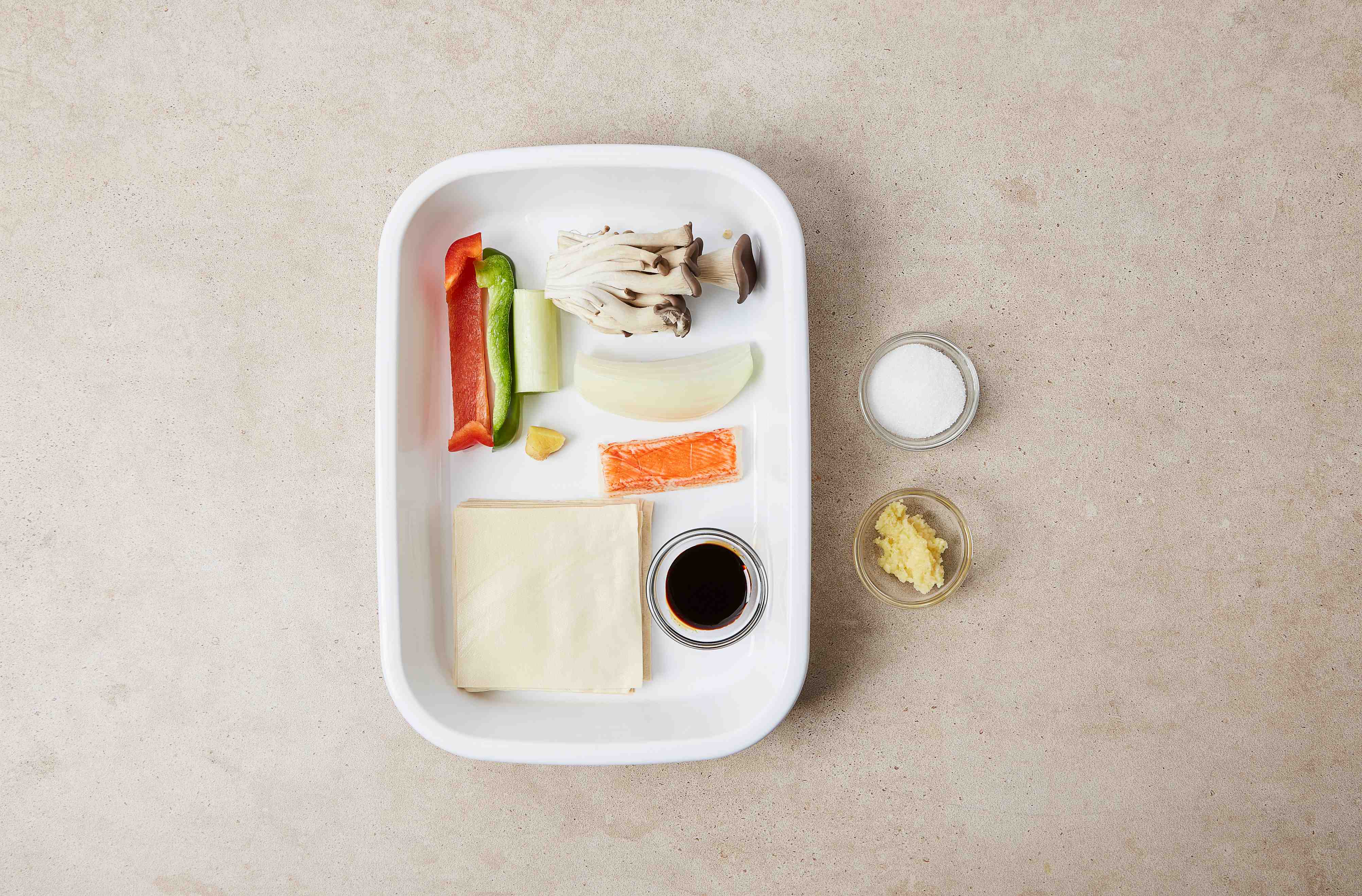
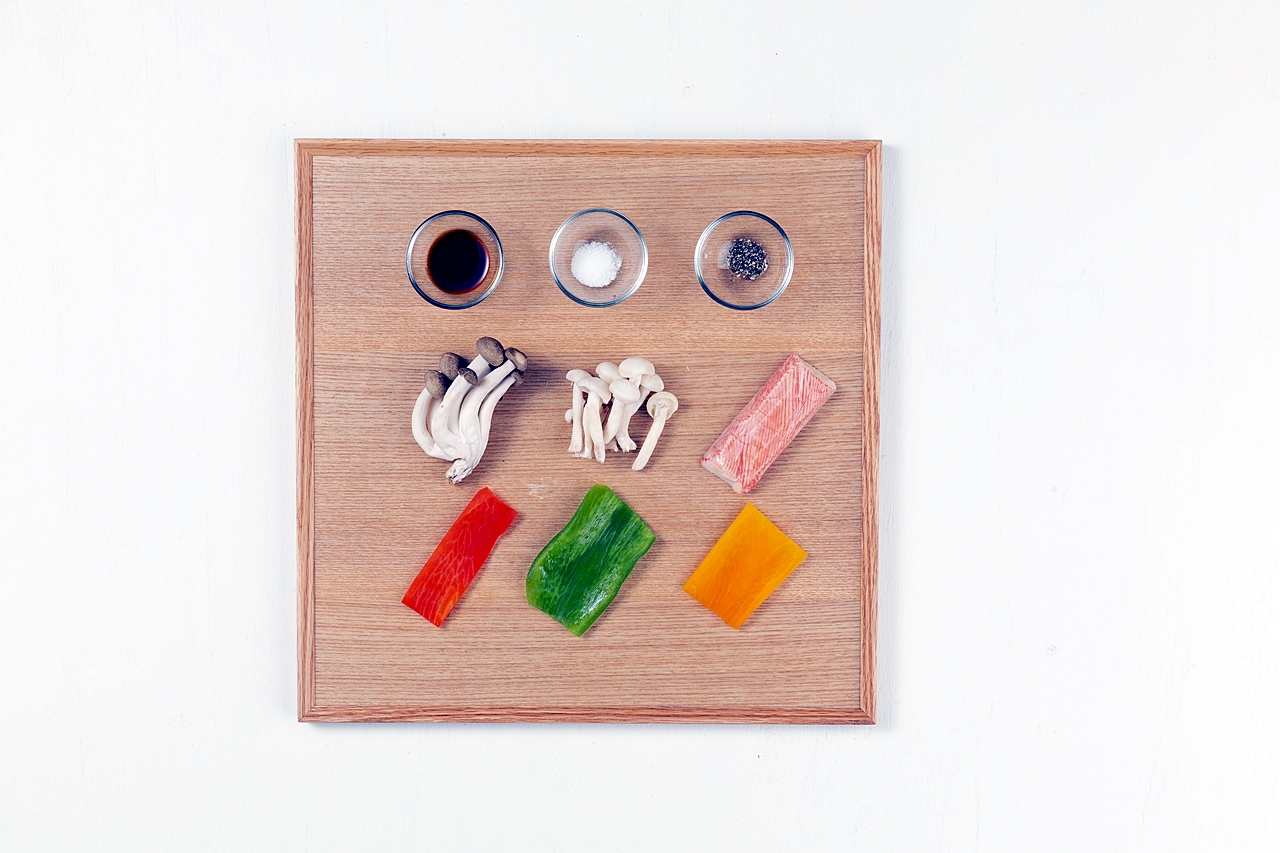
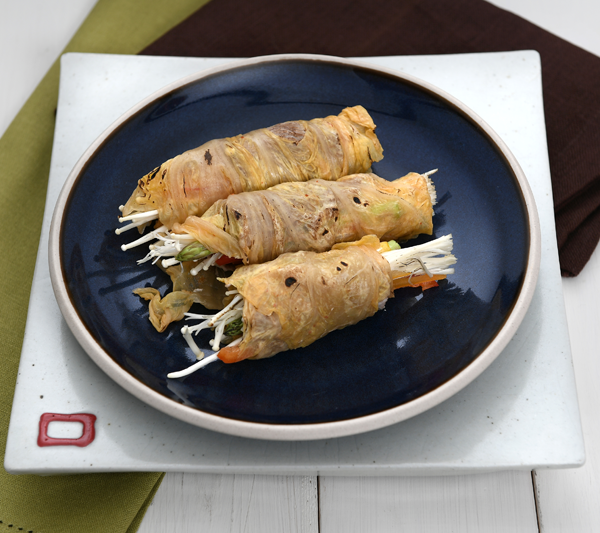
Enoki (paengi) are sold in clusters of long thin stems and go into stews, hot pots and pancakes, or are wrapped in beef or bacon. King oyster mushrooms (saesongi) have thick, meaty stems that are sliced and grilled or braised in soy sauce. Oyster mushrooms (neutari) are torn by hand for namul and soups, and beech mushrooms (mangadak or shimeji) are stir-fried or added to soups.
Cooking tips
Do not soak fresh mushrooms — wipe them or rinse them quickly. Sauté in a hot, lightly oiled or dry pan without crowding so they brown instead of stewing, and season at the end, since salt draws out their water.
🧊 How to store it
Keep fresh mushrooms in a paper bag in the fridge; leave enoki in their original pack. Store dried mushrooms airtight.
🔄 Substitutes
Most mushrooms are interchangeable by texture. Dried shiitake powder adds umami to almost anything.
🛒 Where to buy
Look for it at Korean or pan-Asian grocery stores such as H Mart, or order it online — it keeps well, so it is easy to stock up.
As an Amazon Associate, coo K food earns from qualifying purchases.