Chicken Breast & Mung Bean Jelly Bibimbap
닭가슴살청포묵비빔밥
A light bibimbap of poached chicken breast, mung bean jelly, cabbage, bean sprouts, egg strips and radish sprouts with a low-sodium soy-sesame sauce. The chicken is boiled to remove salt and the jelly is left unseasoned to keep sodium low.
🇰🇷 A twist on Bibimbap — see the classic korean mixed rice bowl recipe →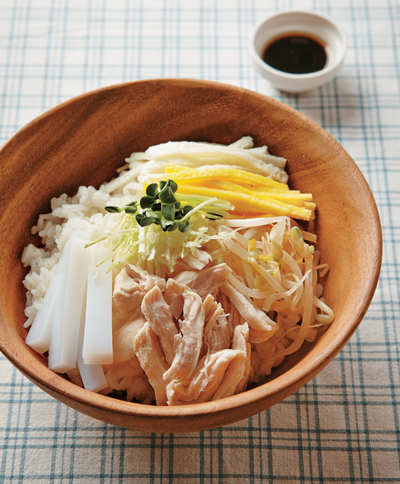
🥘 Ingredients
Tap an ingredient to check it off.
Main
Poaching liquid
Bibimbap sauce
🧺 Korean ingredients in this recipe
- Bean Sprouts (Kongnamul & Sukju)Soybean and mung bean sprouts for soups and namul
- DoenjangRustic fermented soybean paste🛒 Shop on Amazon
- Garlic in Korean CookingMinced, sliced, pickled and black — the backbone of Korean flavor
- Korean Soy Sauce (Ganjang)Guk-ganjang, jin-ganjang and when to use each🛒 Shop on Amazon
- Sesame Oil & Sesame SeedsThe nutty finishing touch of Korean food🛒 Shop on Amazon
As an Amazon Associate, coo K food earns from qualifying purchases.
📘 Cooking basics for this recipe
- How to Cook Korean Rice (Bap)Short-grain rice in a pot, a rice cooker or a pressure cooker, plus multigrain rice and nurungji
- How to Make Namul (Seasoned Vegetable Side Dishes)Blanch, squeeze, season: the method behind every Korean vegetable side dish
- Korean Recipe Measurements: Spoons, Cups, Grams and SaltHow to read Korean recipe amounts, convert grams to spoons and choose the right salt
📝 Step-by-Step Instructions
Bring the poaching ingredients to a boil in the water, add the chicken and cook, then cut into bite-sized pieces.

Finely shred the cabbage and cut the mung bean jelly into bite-sized pieces.

Blanch the bean sprouts in boiling water and drain.

Mix the bibimbap sauce.

Cook the rice.

Top the rice with the chicken, cabbage, mung bean jelly, bean sprouts, egg strips and radish sprouts.

📊 Nutrition Facts (per serving)
Nutrition values are taken from the original recipe data and are approximate.
🎥 Watch Cooking Videos
▶Search “Chicken Breast & Mung Bean Jelly Bibimbap” on YouTubeFind cooking videos, tutorials, and tips→Source: adapted from the recipe database of the Ministry of Food and Drug Safety of Korea (Food Safety Korea), used under the Korea Open Government License (KOGL) Type 1. English translation and editing by coo K food.
🍽️ You Might Also Like
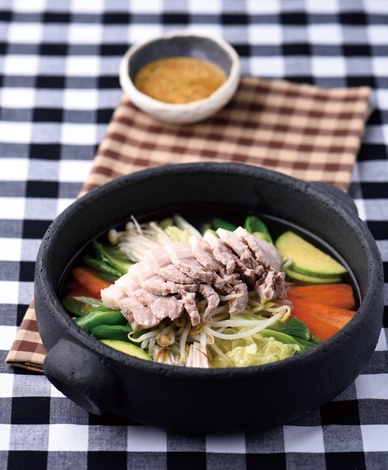
Boiled Pork Belly Clear Hot Pot (Suyuk Jeongol)
돼지수육맑은전골
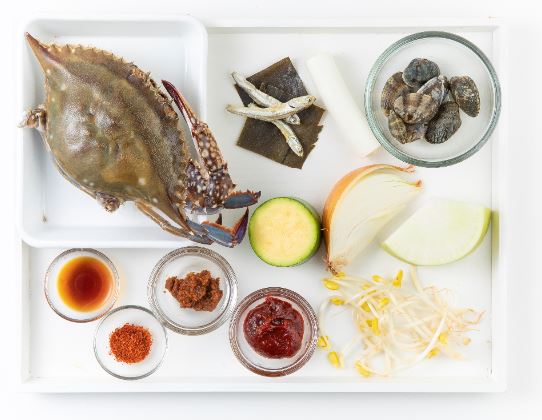
Blue Crab & Clam Stew
꽃게바지락찌개

Bamboo Shoot & Bean Sprout Rice in Green Tea
죽순콩나물밥
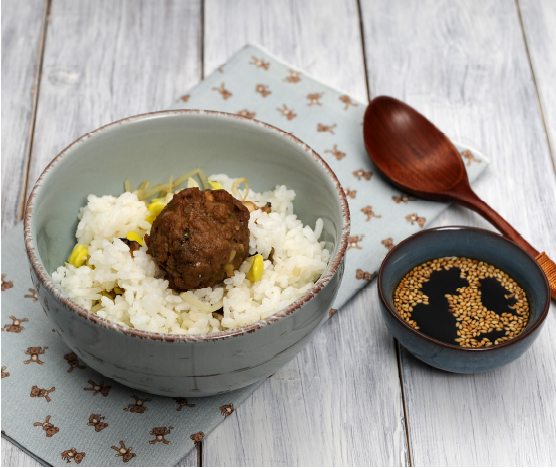
Bean Sprout Rice with Kimchi Tteok-galbi
떡갈비콩나물밥
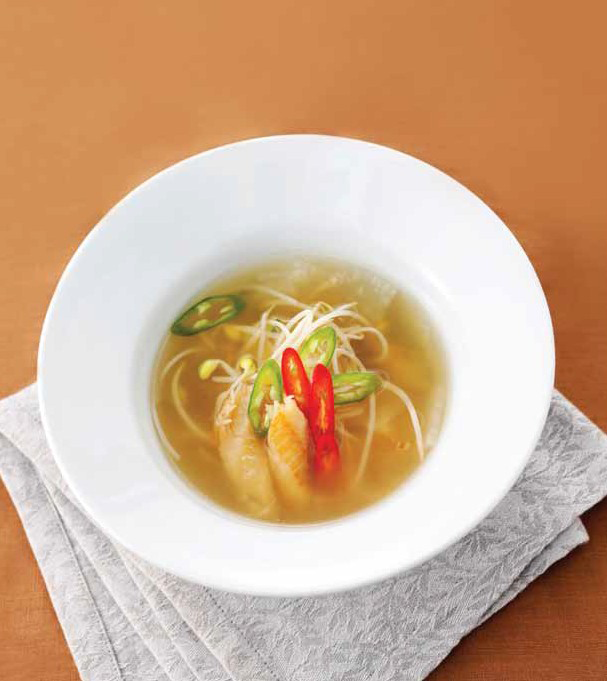
Dried Pollock Hangover Soup with Low-Sodium Doenjang
저염 된장으로 맛을 낸 황태해장국
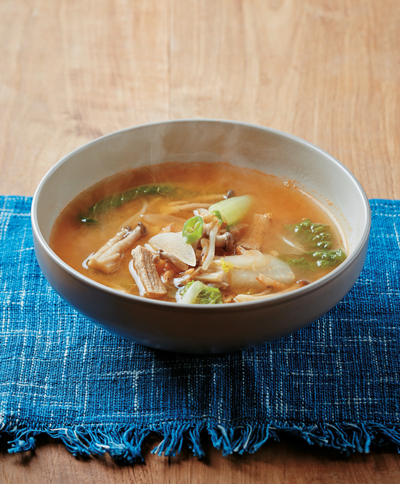
Perilla Doenjang Yukgaejang
들깨된장육개장