Cockle & Rice Cake Skewers with Gochujang Glaze
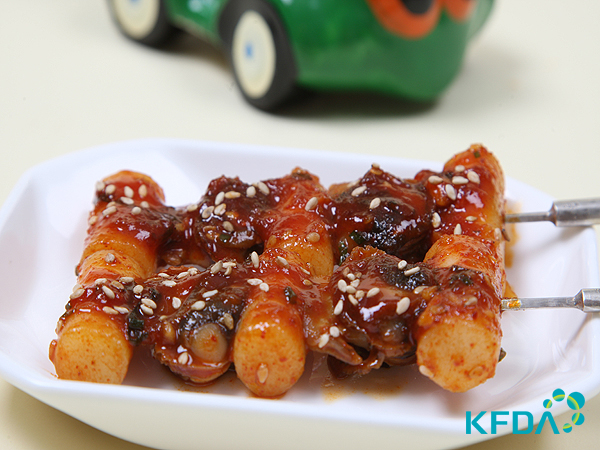
꼬막떡꼬치구이
Skewers of chewy rice cakes and cockle meat glazed in a sweet-spicy gochujang sauce with grain syrup, finished with sesame seeds. Scrub cockles well and purge in salted water for half a day; since the cockles and rice cakes are pre-cooked, grill only briefly so the cockles don't toughen.
🥘 Ingredients
Tap an ingredient to check it off.
Main
Gochujang glaze
🧺 Korean ingredients in this recipe
- Clams & ShellfishClams, mussels, oysters and abalone for clean, savory broths
- Rice Cakes (Tteok)Chewy rice cakes for tteokbokki, soups and sweets🛒 Shop on Amazon
- Sesame Oil & Sesame SeedsThe nutty finishing touch of Korean food🛒 Shop on Amazon
- GochujangKorea's sweet, spicy fermented chili paste🛒 Shop on Amazon
- Korean Green Onions (Pa)Thick daepa, slender jjokpa and the green onions in almost every dish
- Rice Syrup & Oligosaccharide SyrupLiquid sweeteners for glossy glazes and braises🛒 Shop on Amazon
- Garlic in Korean CookingMinced, sliced, pickled and black — the backbone of Korean flavor
- Korean Soy Sauce (Ganjang)Guk-ganjang, jin-ganjang and when to use each🛒 Shop on Amazon
- GochugaruSun-dried Korean chili flakes🛒 Shop on Amazon
As an Amazon Associate, coo K food earns from qualifying purchases.
📘 Cooking basics for this recipe
📝 Step-by-Step Instructions
Halve the rice cakes, blanch in boiling water and drain.

Wash the cockles and cook them briefly in the hot rice cake water. Drain, cool and remove the meat.

Thread the rice cakes and cockle meat alternately onto skewers.

Finely chop the green onion and onion.

Mix the gochujang, onion, green onion, garlic, grain syrup, soy sauce, gochugaru and sesame oil to make the glaze.

Heat a little brown rice oil in a pan, sauté the glaze, then coat the skewers in it and sprinkle with sesame seeds.

📊 Nutrition Facts (per serving)
Nutrition values are taken from the original recipe data and are approximate.
🎥 Watch Cooking Videos
▶Search “Cockle & Rice Cake Skewers with Gochujang Glaze” on YouTubeFind cooking videos, tutorials, and tips→Source: adapted from the recipe database of the Ministry of Food and Drug Safety of Korea (Food Safety Korea), used under the Korea Open Government License (KOGL) Type 1. English translation and editing by coo K food.
🍽️ You Might Also Like
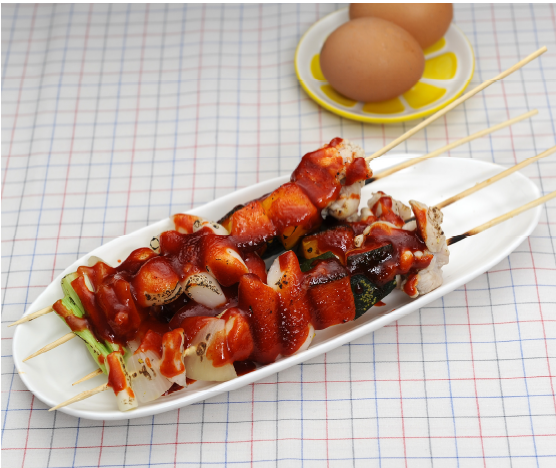
Chicken & Kabocha Skewers with Sweet Chili Glaze
단호박닭꼬치
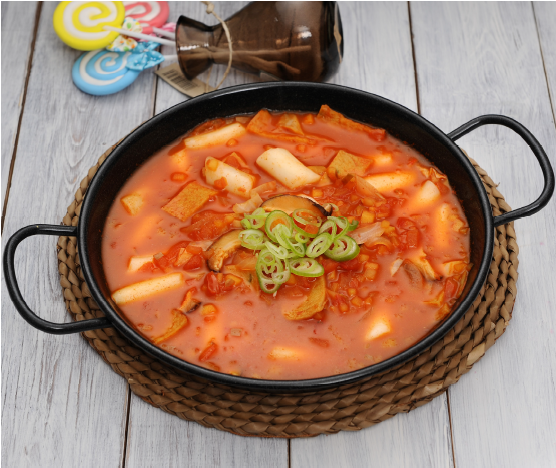
Tomato Tteokbokki
토마토떡볶이
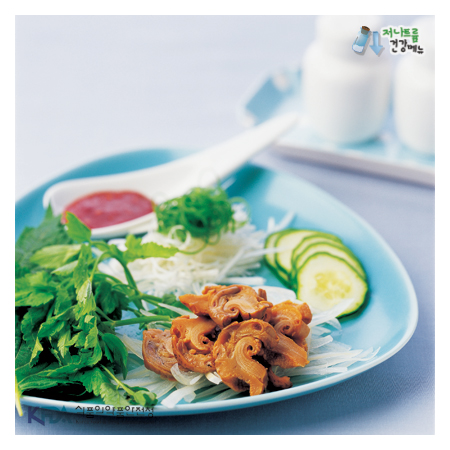
Golbaengi Muchim with Apple Chogochujang
골뱅이무침
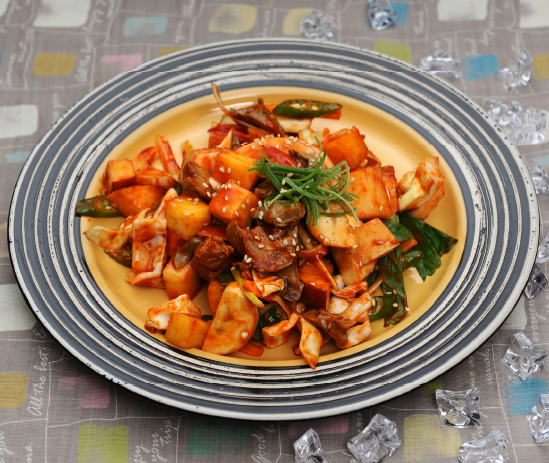
Spicy Whelk & Fruit Salad (Golbaengi Muchim)
골뱅이과일무침
Bossam Pork Belly with Spicy Whelk & Scallion Salad
골뱅이무침과 삼겹살수육
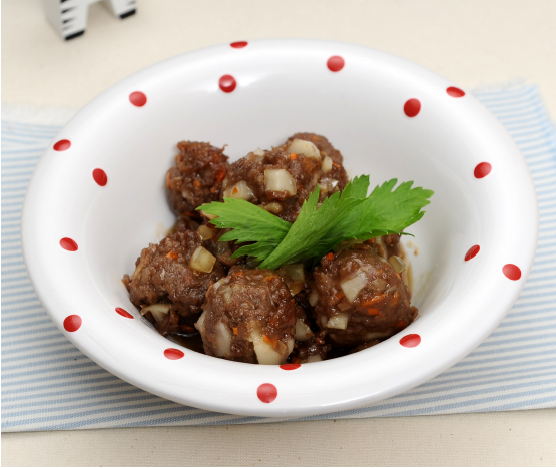
Braised Meatballs with Rice Cake
떡완자조림