Octopus & Nut Tteok-galbi on Rice Cakes
견과류문어떡갈비
Pork and beef patties mixed with chopped boiled octopus, pear, walnuts and almonds, pressed onto blanched rice cakes and pan-cooked, garnished with jujube roses and pine nuts. The octopus provides natural saltiness, and nuts add richness.
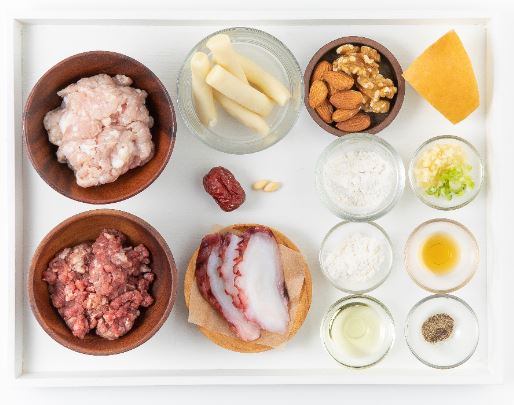
🥘 Ingredients
Tap an ingredient to check it off.
🧺 Korean ingredients in this recipe
- Rice Cakes (Tteok)Chewy rice cakes for tteokbokki, soups and sweets🛒 Shop on Amazon
- Squid & OctopusSquid, long-arm octopus and webfoot octopus for stir-fries and stews
- Korean Pear (Bae)Juicy Asian pear — fruit, tenderizer and sweetener
- Pine Nuts, Chestnuts & GinkgoThe nuts of Korean holidays, porridges and sweets🛒 Shop on Amazon
- Garlic in Korean CookingMinced, sliced, pickled and black — the backbone of Korean flavor
- Korean Green Onions (Pa)Thick daepa, slender jjokpa and the green onions in almost every dish
- Glutinous Rice & Rice FloursSticky rice and rice flours for porridge, pancakes and sweets🛒 Shop on Amazon
- Sesame Oil & Sesame SeedsThe nutty finishing touch of Korean food🛒 Shop on Amazon
- Jujube (Daechu)Sweet red dates for teas, rice cakes and soups🛒 Shop on Amazon
As an Amazon Associate, coo K food earns from qualifying purchases.
📘 Cooking basics for this recipe
📝 Step-by-Step Instructions
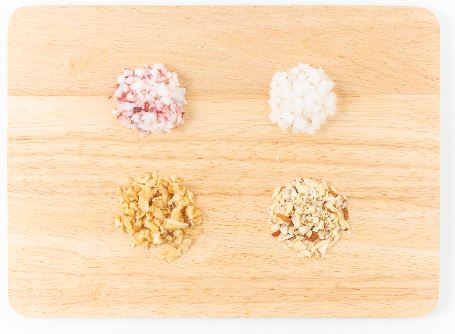
Cut the boiled octopus, pear, walnuts and almonds small, and mince the green onion and garlic.
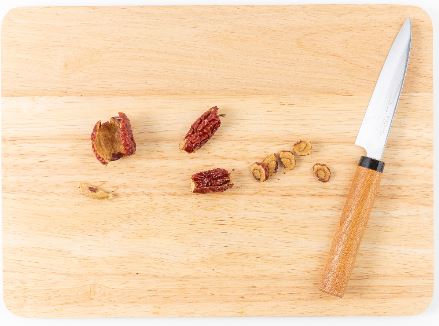
Peel the jujube in a spiral, roll it up and slice into rosettes.
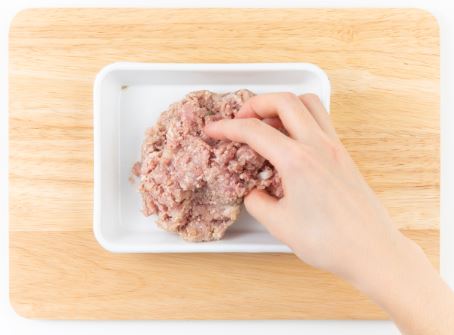
Mix the ground pork and beef with the chopped ingredients, sesame oil, pepper and glutinous rice flour and knead.
Dust the blanched rice cakes lightly with flour and press the meat mixture around them to form tteok-galbi.
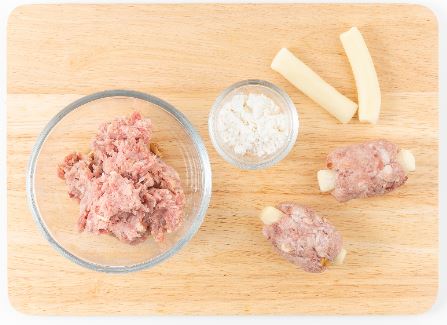
Pan-fry the patties until cooked through.
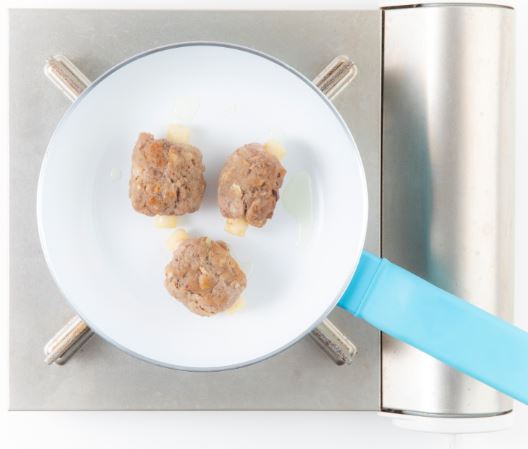
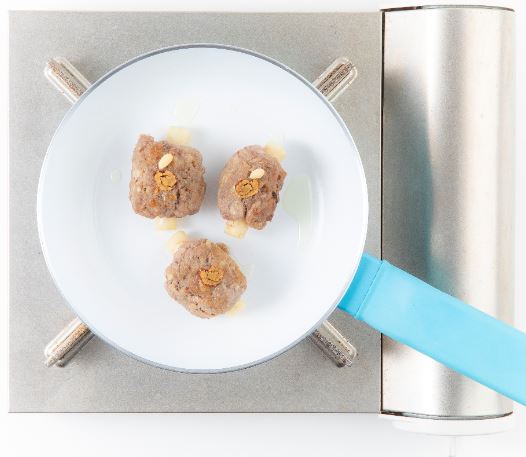
Garnish with the jujube rosettes and pine nuts.
📊 Nutrition Facts (per serving)
Nutrition values are taken from the original recipe data and are approximate.
🎥 Watch Cooking Videos
▶Search “Octopus & Nut Tteok-galbi on Rice Cakes” on YouTubeFind cooking videos, tutorials, and tips→Source: adapted from the recipe database of the Ministry of Food and Drug Safety of Korea (Food Safety Korea), used under the Korea Open Government License (KOGL) Type 1. English translation and editing by coo K food.
🍽️ You Might Also Like
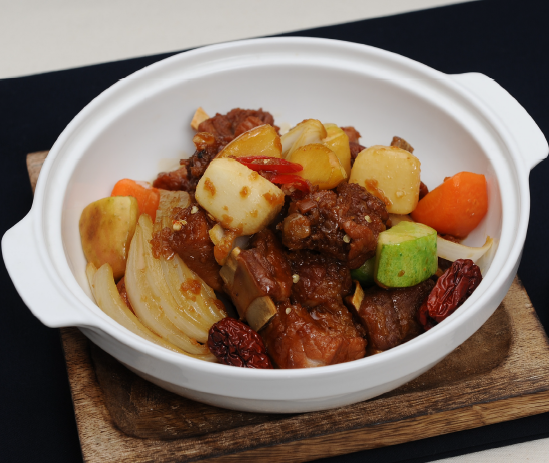
Fruity Braised Pork Ribs (Galbi-jjim)
과일갈비찜
Low-Sodium Bossam Kimchi with Bell Pepper Juice
저염보쌈김치
Bean Sprout Rice with Kimchi Tteok-galbi
떡갈비콩나물밥

Beef Bulgogi with Vegetables & Pear
소고기채소불고기
Puffed Brown Rice-Crusted Meatballs
현미 입은 미트볼
Kabocha Yaksik (Sweet Rice Steamed in Pumpkin)
단호박약식