Pine Nuts, Chestnuts & Ginkgo
잣 · 밤 · 은행jat · bam · eun-haeng
The nuts of Korean holidays, porridges and sweets
Nuts are a festive part of Korean food. Pine nuts, chestnuts, ginkgo nuts and walnuts appear in holiday braises and rice, in porridges and teas, and as garnishes that signal a dish is special.
- Korean name
- 잣 · 밤 · 은행 (jat · bam · eun-haeng)
- What it is
- The nuts of Korean holidays, porridges and sweets
- Storage
- Nuts go rancid quickly; keep them airtight in the fridge or freezer.
- Substitute
- Cashews or blanched almonds can replace pine nuts in porridge.
- Recipes
- Used in 68 recipes on coo K food
The main nuts
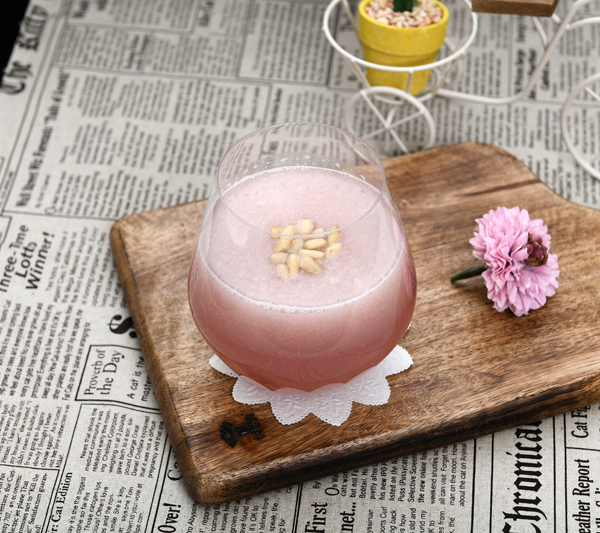
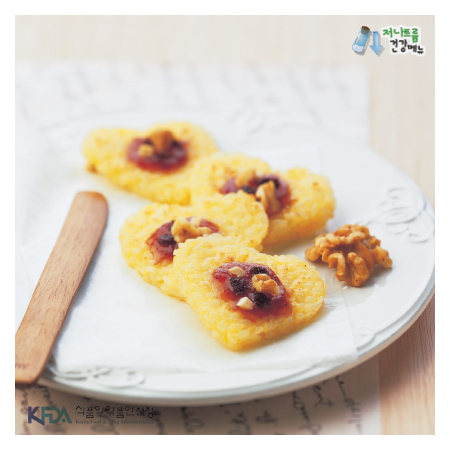
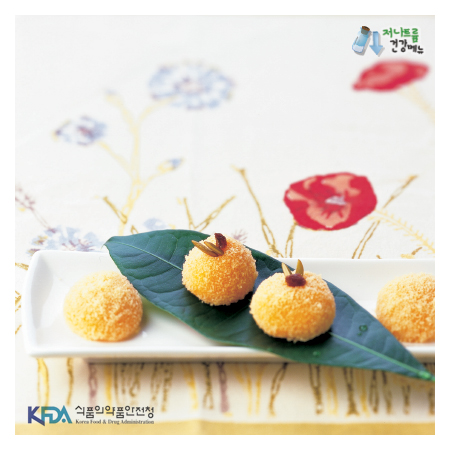
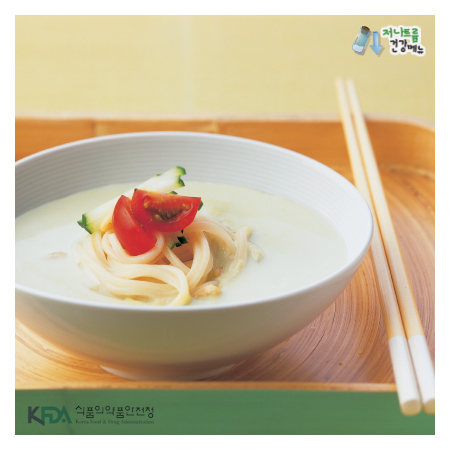
Pine nuts (jat), mostly from Gapyeong, are ground into silky pine nut porridge (jat-juk), floated on punches like sikhye and sujeonggwa, and used as garnish. Chestnuts (bam) are roasted as a winter street snack and cooked into galbi-jjim, yakbap and rice. Ginkgo nuts (eunhaeng) are pan-roasted with salt or added to braises and steamed dishes. Walnuts (hodu) are candied, used in side dishes and baked into hodu-gwaja, walnut-shaped cakes.
A note on ginkgo nuts
Ginkgo nuts should always be cooked and eaten in small amounts — a handful at a time for adults and fewer for children — because large quantities can be toxic.
🧊 How to store it
Nuts go rancid quickly; keep them airtight in the fridge or freezer. Fresh chestnuts keep a few weeks in the fridge.
🔄 Substitutes
Cashews or blanched almonds can replace pine nuts in porridge. Vacuum-packed roasted chestnuts save peeling time.
🛒 Where to buy
Look for it at Korean or pan-Asian grocery stores such as H Mart, or order it online — it keeps well, so it is easy to stock up.
As an Amazon Associate, coo K food earns from qualifying purchases.