How a Korean Meal Is Put Together
한식 밥상
Rice, soup, side dishes and jang: planning a Korean table at home
A Korean meal is not a single plate but a table of small dishes eaten together. At its center are rice and soup; around them sit side dishes (banchan), kimchi and small dishes of sauce. Everything is served at once, and everyone shares the side dishes. Once you understand the pattern, it is easy to turn a few recipes into a complete, balanced Korean dinner at home.
The four building blocks
Bap (rice) is the base: each person has their own bowl, usually plain short-grain or multigrain rice. Guk or jjigae (soup or stew) comes next; each person gets a bowl of guk, while a jjigae is often placed in the middle for the table to share.
Banchan (side dishes) are small portions of vegetables, eggs, tofu, fish or meat: seasoned greens (namul), soy-braised dishes (jorim), stir-fries (bokkeum), pan-fried dishes (jeon) and pickles. Kimchi is always there and is not counted as a banchan.
Jang (fermented sauces and pastes) such as soy sauce, gochujang and doenjang season almost everything, and a small dish of dipping sauce often sits on the table too.
3-cheop, 5-cheop and the traditional table
The traditional Korean table setting (bansang) is named for the number of side dishes, counted in cheop. A 3-cheop table has rice, soup, kimchi, sauce and three banchan; a 5-cheop table has five, and royal tables went up to twelve. Rice, soup, kimchi and sauces are not counted.
The tradition also called for variety in the side dishes: something raw or seasoned, something cooked, a different main ingredient in each, and a balance of colors. Today the numbers are not followed strictly, but the idea is still useful: a few contrasting side dishes make a simple meal feel complete.
Planning a weeknight Korean dinner
- Start the rice first, since it takes the longest and needs no attention.
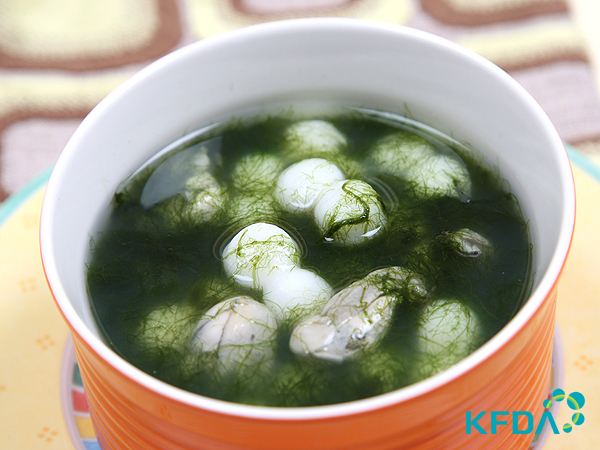
- Choose one soup or stew. A jjigae (doenjang jjigae, kimchi jjigae) makes the meal feel hearty; a lighter guk (bean sprout soup, seaweed soup) suits a meal with a rich main dish.
- Add one main banchan with protein: bulgogi, a braised tofu or fish dish, a rolled omelet or a stir-fry.
- Add one or two vegetable side dishes, ideally made ahead: a namul, a quick salad or a pickle.
- Put out kimchi and, if you like, a little dish of seasoned soy sauce or ssamjang.
Balance the flavors across the table: if the stew is spicy, make the side dishes mild; if the main is salty and rich, choose a clear soup and a fresh, vinegary side.
Make-ahead banchan rotation
Korean home cooks rarely make every side dish fresh each night. Many banchan keep well in the fridge: soy-braised dishes (jorim) and stir-fried anchovies keep for a week or more, seasoned vegetables (namul) for 2–3 days, and pickles and kimchi for weeks.
A practical routine is to cook two or three banchan on the weekend, one long-keeping (such as braised potatoes or soy-braised tofu) and one or two quick ones (such as a namul and a stir-fried vegetable). During the week you only need to make rice and a soup, add one fresh dish, and refill the table from the fridge.
Serve banchan in small amounts on small plates and return the rest to the fridge promptly with a clean spoon, so they keep longer.
💡 Tips
- Keep a batch of anchovy-kelp broth in the fridge: it turns into a guk or jjigae in 15 minutes.
- One-dish meals (ilpum yori) such as bibimbap, japchae or kimchi fried rice need only kimchi and a simple soup alongside.
- If the side dishes are salty, keep the soup lightly seasoned. Korean meals add up in sodium quickly.
- Small matching dishes make even three banchan look generous, which is half the pleasure of a Korean table.
- A rolled omelet (gyeran-mari) or steamed egg (gyeran-jjim) is the quickest protein side dish when time is short.