How to Make Korean Anchovy-Kelp Broth
멸치다시마육수
The 20-minute stock behind most Korean soups, stews and noodle dishes
Anchovy-kelp broth (myeolchi-dasima yuksu) is the everyday stock of Korean home cooking. Dried anchovies give savory depth, dried kelp adds a clean, rounded sweetness, and together they make a light golden broth in about 20 minutes. It is the base of doenjang jjigae, kimchi jjigae, guk, tteokbokki sauce and noodle soups, so once you can make it without thinking, a large part of Korean cooking opens up.
What you need
Dried anchovies (myeolchi) come in several sizes. For broth, use the large ones, usually sold as guk-myeolchi or da-myeolchi (soup or large anchovies), about 7–10 cm long. The tiny ones (jiri-myeolchi) are for stir-fried side dishes and make a weak, fishy stock.
Dried kelp (dasima, the same seaweed as Japanese kombu) should be thick and dark, often with a fine white powder on the surface. That powder is natural glutamate, not mold, so do not wash it off; at most, wipe the kelp with a dry or barely damp cloth.
A good everyday ratio is 10–15 large anchovies and one 10 × 10 cm piece of kelp for 1 liter (about 4 cups) of water. Use more anchovies for a stronger broth for noodles, and fewer for a delicate soup.
Step by step
- Remove the head and the dark gut from each anchovy (pinch the body open along the belly and pull the black part out). These parts make the broth bitter.
- Optional: toast the cleaned anchovies in a dry pot over medium heat for 1–2 minutes, until fragrant. This drives off the fishy smell.
- Add 1 liter of cold water and the kelp. If you have time, let it soak for 20–30 minutes before turning on the heat.
- Bring to a boil over medium heat. Once it boils, lower the heat and simmer for 5 minutes, then lift out the kelp.
- Keep simmering the anchovies for another 10 minutes, without stirring or squeezing them.
- Strain through a fine sieve. You should have about 3½ cups (850 ml) of clear, pale golden broth.
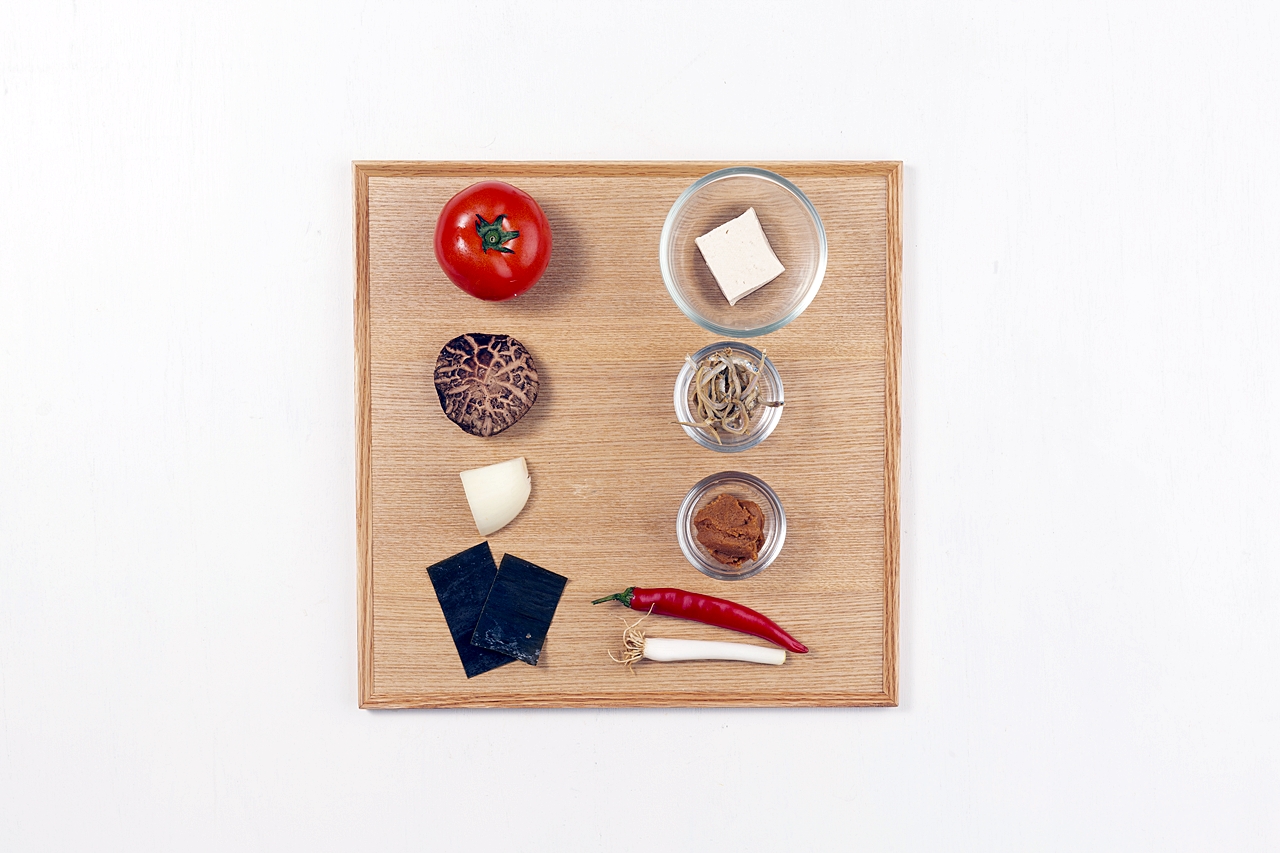
Extras are common: a chunk of Korean radish, a few dried shiitake, an onion, green onion roots or a handful of dried shrimp all add sweetness and body. Add them with the water and take them out when you strain.
Why broth turns bitter or fishy, and how to fix it
Kelp left to boil for a long time releases a slippery, slightly bitter substance and makes the broth cloudy. Take it out within 5–10 minutes of boiling.
Anchovies boiled for more than about 20 minutes, or the heads and guts left in, give a bitter, harsh fishiness. Stale anchovies, which smell rancid and look reddish or oily, do the same; good ones are silvery and dry.
If a batch tastes too strong, simply dilute it with water. If it tastes flat, it usually needs more anchovies rather than more time.
Vegan kelp and shiitake broth
For a vegetarian or vegan broth, replace the anchovies with 3–4 dried shiitake mushrooms. Simmer the kelp and mushrooms the same way, removing the kelp after 5 minutes and cooking the shiitake for 15–20 minutes. A slice of radish and half an onion help round out the flavor.
You can also cold-brew it: put the kelp and shiitake in a jar of cold water and leave it in the fridge overnight. The result is milder and very clean, and the soaked shiitake can go straight into the soup.
Storing broth and using shortcuts
Broth keeps in the fridge for 3–4 days. For longer storage, freeze it in portions (ice-cube trays or 1–2 cup containers) for up to about a month, and drop the frozen cubes straight into the pot.
Korean supermarkets sell broth packs (yuksu-paek): anchovies, kelp and vegetables in tea-bag-style pouches that you simmer and pull out, with no straining. Coin broth tablets (coin yuksu) are compressed tablets that dissolve in boiling water; follow the package for the ratio. Both are convenient, though they are often saltier than homemade broth, so season the soup only after tasting.
💡 Tips
- Store dried anchovies in the freezer in an airtight bag. They keep their flavor for months and do not need to be thawed.
- Do not salt the broth. Season the finished soup instead, with soup soy sauce, salt or doenjang.
- Rinse spent kelp, slice it thinly and stir-fry or braise it with soy sauce as a quick side dish.
- Make a double batch on the weekend: one pot of broth covers a stew, a soup and a noodle dish during the week.
- For tteokbokki and spicy stews, a stronger broth (20 anchovies per liter) stands up better to gochujang.