Kimchi Jjigae (Kimchi Stew)
김치찌개gim-chi-jji-gae
Korea's everyday stew of sour kimchi, pork and tofu
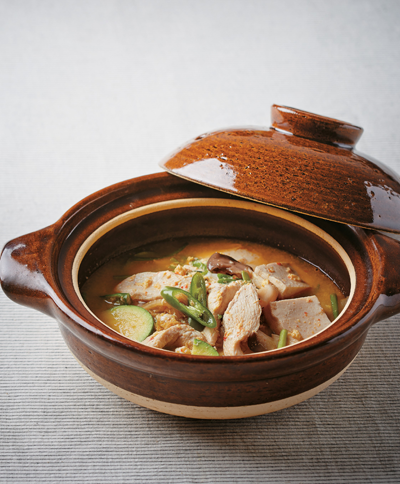
Kimchi jjigae is the stew Korean families make when the kimchi in the fridge has turned nicely sour. Well-fermented kimchi is sautéed with pork until it softens and sweetens, then simmered into a deep, spicy, tangy broth with tofu. It is cheap, fast and endlessly forgiving — every household has its own version.
Looking for a twist? See 5 kimchi jjigae variations ↓
🥘 Ingredients for classic kimchi jjigae
Tap an ingredient to check it off.
Main
Seasoning
Broth
🧺 Korean ingredients in this dish
- KimchiHow to choose, store and cook with kimchi🛒 Shop on Amazon
- Napa Cabbage (Baechu)The cabbage behind classic kimchi
- Tofu (Dubu)Firm, soft and silken tofu in Korean cooking
- Korean Green Onions (Pa)Thick daepa, slender jjokpa and the green onions in almost every dish
- Korean Chili PeppersFresh green and red chilies, from mild to Cheongyang
- GochugaruSun-dried Korean chili flakes🛒 Shop on Amazon
- GochujangKorea's sweet, spicy fermented chili paste🛒 Shop on Amazon
- Garlic in Korean CookingMinced, sliced, pickled and black — the backbone of Korean flavor
- Korean Soy Sauce (Ganjang)Guk-ganjang, jin-ganjang and when to use each🛒 Shop on Amazon
- Jeotgal (Salted Shrimp & Fish Sauce)Salted, fermented seafood — Korea's umami seasoning🛒 Shop on Amazon
- Dried Kelp (Dasima)Kelp for clean, savory broth🛒 Shop on Amazon
- Dried Anchovies (Myeolchi)From broth anchovies to sweet-salty side dishes
As an Amazon Associate, coo K food earns from qualifying purchases.
📝 How to make kimchi jjigae
Cut the pork into bite-sized pieces and the kimchi into 2–3 cm pieces. Slice the onion, cut the tofu into 1 cm thick slabs, and slice the green onion and chili on a diagonal.
Heat the oil in a pot over medium heat and stir-fry the pork for 3–4 minutes, until it is no longer pink and some fat has rendered.
Add the kimchi and stir-fry with the pork for about 5 minutes, until it softens and smells sweet and toasty.
Stir in the gochugaru, garlic and gochujang (if using) for 30 seconds, then pour in the broth and kimchi brine.
Bring to a boil, then cover and simmer over medium-low heat for 15–20 minutes, until the pork is tender and the broth is rich and red.
Add the onion and tofu. Season with soup soy sauce or fish sauce, and a little sugar if the kimchi is very sour. Simmer 5 more minutes.
Add the green onion and chili, simmer 1 minute, and serve bubbling hot with rice.
💡 Tips for the best kimchi jjigae
- Use kimchi that has aged at least two to three weeks. Fresh kimchi makes a flat-tasting stew.
- Sautéing the kimchi in pork fat before adding liquid is what gives the stew its depth — do not skip it.
- For tuna kimchi jjigae (chamchi kimchi-jjigae), skip the pork and add a can of drained tuna together with the tofu.
- Kimchi and its brine are salty, so taste before adding soy sauce. More broth and tofu make a lighter, lower-sodium stew.
What is kimchi jjigae?
Jjigae is a thick, strongly seasoned stew, eaten with rice and usually brought to the table still bubbling in its pot. Kimchi jjigae is the most common of them all: it was born as a way to use up kimchi that had become too sour to eat as a side dish, and sourness is still the key to a good one.
Pork is the classic partner because its fat softens kimchi’s acidity, but canned tuna, spam or mushrooms are all common. Many cooks finish the pot with ramyeon noodles or dumplings.
Kimchi jjigae vs. kimchi guk
Kimchi guk (kimchi soup) uses more broth and less kimchi and is lighter and clearer. Kimchi jjigae is thicker, saltier and more concentrated — closer to a stew, and meant to be eaten with plenty of rice.
What to serve with it
Steamed rice is essential. A rolled omelet (gyeran-mari), a seasoned vegetable side dish or two, and a mild soup-free side such as stir-fried zucchini balance the heat.