Napa Cabbage (Baechu)
배추bae-chu
The cabbage behind classic kimchi
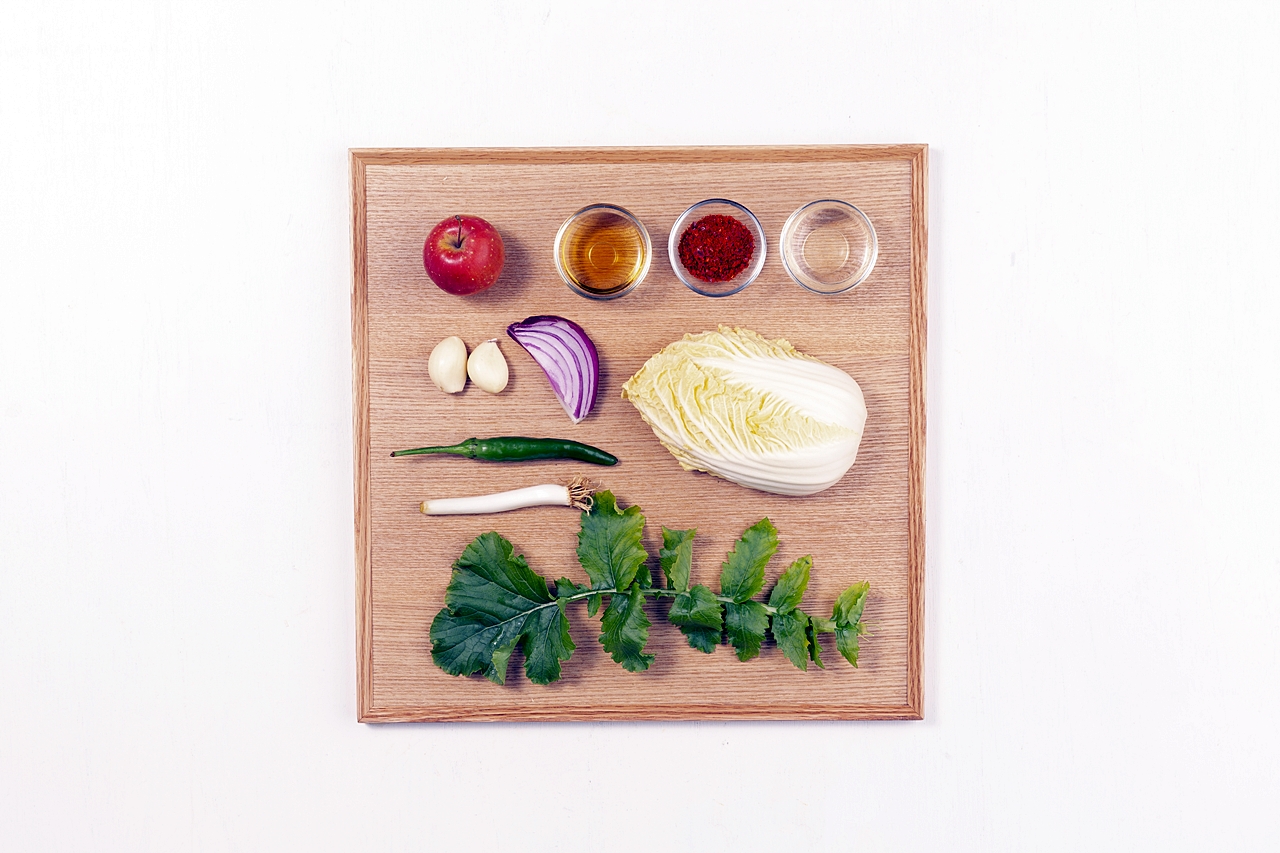
Baechu is the oblong, pale-green napa cabbage that becomes baechu-kimchi. Its thick white ribs are juicy and crunchy, its leaves tender and sweet, and it is the most important vegetable in the Korean year.
- Korean name
- 배추 (bae-chu)
- What it is
- The cabbage behind classic kimchi
- Storage
- Wrap a whole head in newspaper and refrigerate it; it keeps for several weeks.
- Substitute
- Savoy or green cabbage works in cooked dishes (it is firmer and needs longer cooking).
- Recipes
- Used in 52 recipes on coo K food
Kimjang
Every late autumn, families and neighbors gather to salt and season dozens of cabbages at once to make the winter’s kimchi — a tradition called kimjang, recognized by UNESCO as Intangible Cultural Heritage in 2013.
Why cabbage is salted
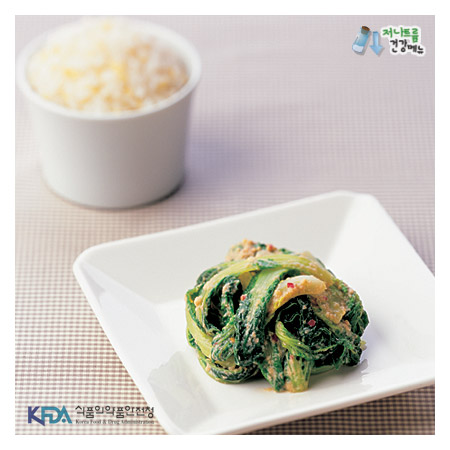
Salting draws water out of the ribs so the cabbage bends without snapping, absorbs seasoning and keeps its crunch during fermentation. For full kimchi it is salted for many hours; for geotjeori, the fresh unfermented kimchi salad, it is salted only briefly — which is also why geotjeori contains less sodium.
Beyond kimchi
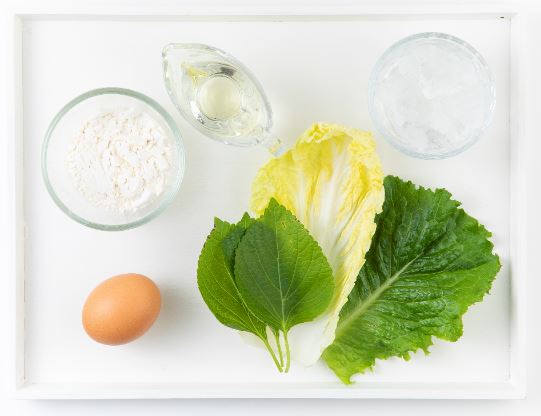
Napa cabbage goes into doenjang soup (baechu-doenjang-guk), Gyeongsang-style whole-leaf pancakes (baechu-jeon), hot pots and stir-fries. The tender inner leaves are eaten raw with ssamjang, and lightly salted leaves wrap boiled pork in bossam.
🧊 How to store it
Wrap a whole head in newspaper and refrigerate it; it keeps for several weeks. Use cut cabbage within a few days.
🔄 Substitutes
Savoy or green cabbage works in cooked dishes (it is firmer and needs longer cooking). Bok choy works in soups.
🛒 Where to buy
This is a fresh ingredient, so it is best bought in person at a Korean or pan-Asian grocery store such as H Mart, or through an online Asian grocer that delivers fresh produce in your area. Look for it under its Korean name, 배추 (baechu).