Doenjang Jjigae (Soybean Paste Stew)
된장찌개dwen-jang-jji-gae
The everyday Korean stew of fermented soybean paste, tofu and vegetables
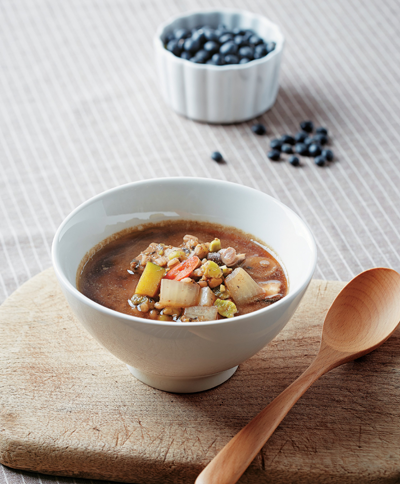
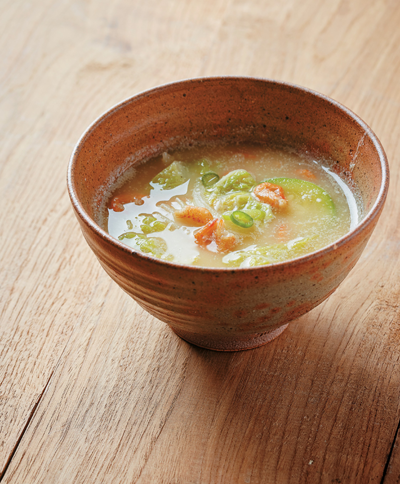
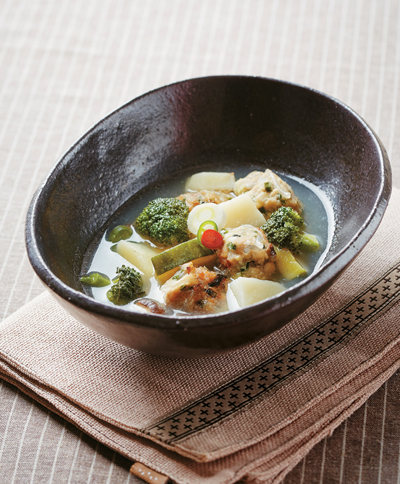
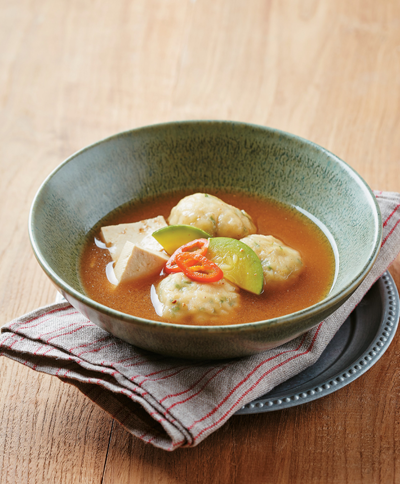
Doenjang jjigae is the stew that appears on Korean tables more than any other. Fermented soybean paste is dissolved into anchovy-kelp broth and simmered with zucchini, potato, onion, mushrooms and tofu into an earthy, savory, comforting pot that is ready in about 20 minutes.
Looking for a twist? See 13 doenjang jjigae variations ↓
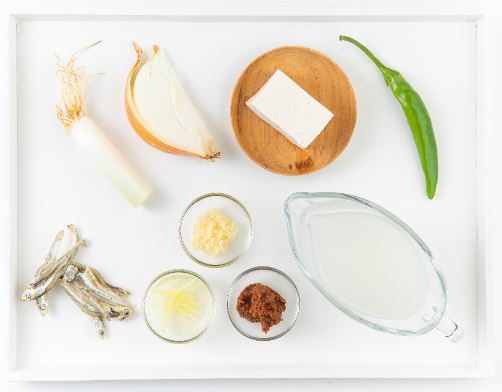
🥘 Ingredients for classic doenjang jjigae
Tap an ingredient to check it off.
Broth
Main
🧺 Korean ingredients in this dish
- Dried Kelp (Dasima)Kelp for clean, savory broth🛒 Shop on Amazon
- Dried Anchovies (Myeolchi)From broth anchovies to sweet-salty side dishes
- DoenjangRustic fermented soybean paste🛒 Shop on Amazon
- Korean Zucchini (Aehobak)Tender, pale-green Korean summer squash
- Tofu (Dubu)Firm, soft and silken tofu in Korean cooking
- Korean MushroomsShiitake, enoki, king oyster and other everyday mushrooms🛒 Shop on Amazon
- Korean Green Onions (Pa)Thick daepa, slender jjokpa and the green onions in almost every dish
- Korean Chili PeppersFresh green and red chilies, from mild to Cheongyang
- Garlic in Korean CookingMinced, sliced, pickled and black — the backbone of Korean flavor
- GochugaruSun-dried Korean chili flakes🛒 Shop on Amazon
- Clams & ShellfishClams, mussels, oysters and abalone for clean, savory broths
As an Amazon Associate, coo K food earns from qualifying purchases.
📝 How to make doenjang jjigae
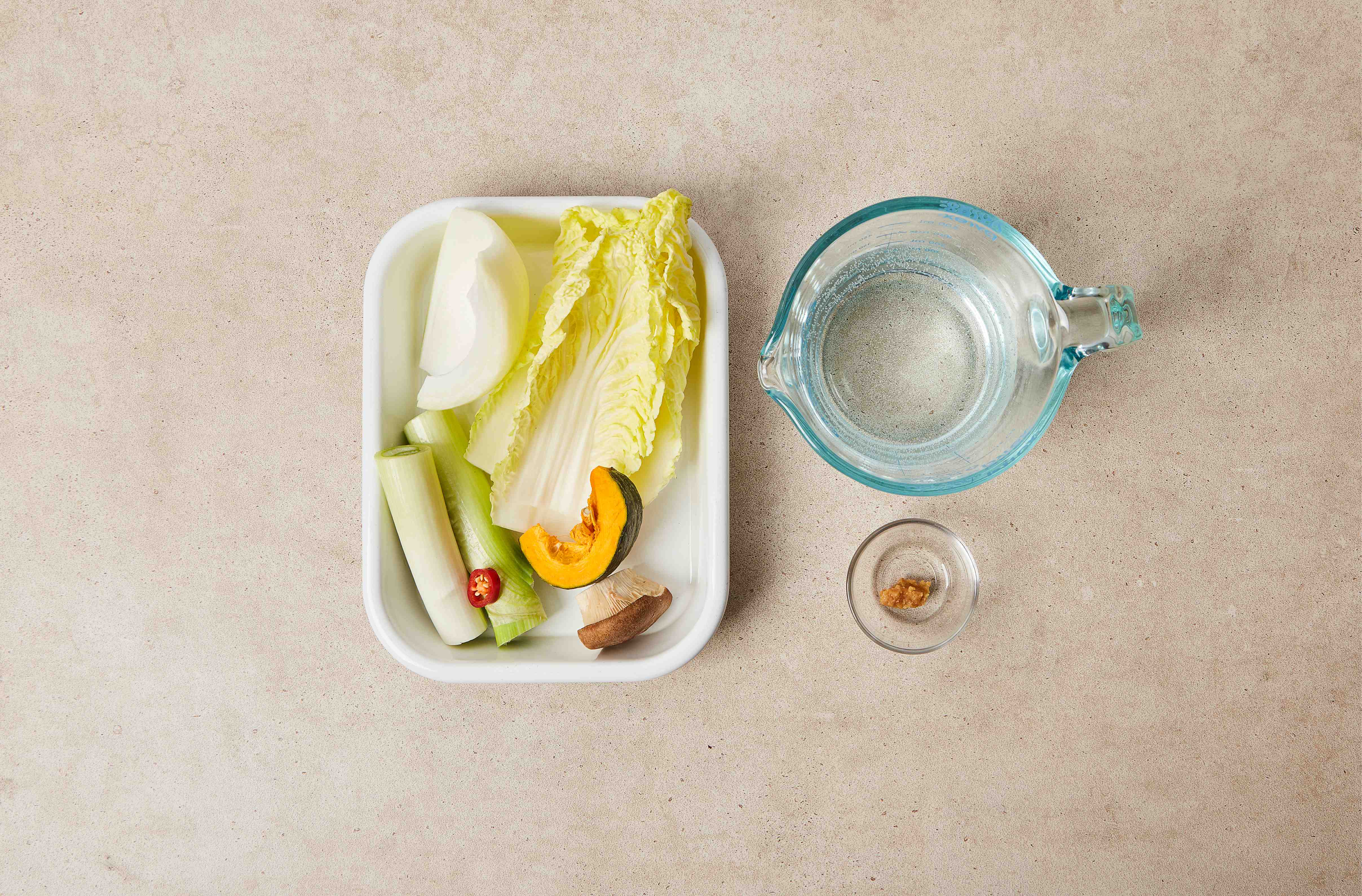
Cut the potato into 1 cm cubes, the zucchini into half-moons, the onion and mushrooms into bite-sized pieces and the tofu into cubes. Slice the green onion and chili.
Bring the broth to a boil and dissolve the doenjang by pressing it through a small sieve into the pot.
Add the potato and onion (and beef, if using) and boil for 5 minutes.
Add the zucchini, mushrooms and garlic (and clams or shrimp, if using) and boil for another 5 minutes.
Add the tofu, chili and gochugaru and simmer for 3–4 minutes.
Add the green onion, taste, and adjust with a little more doenjang or soup soy sauce if needed. Serve hot with rice.
💡 Tips for the best doenjang jjigae
- Pressing the paste through a sieve keeps the broth smooth and leaves the coarse soybean bits behind.
- Rice-washing water (the cloudy water from rinsing rice) is a traditional base that gives the stew extra body.
- A teaspoon of gochujang alongside the doenjang makes a rounder, slightly spicy stew — many families do this.
- Doenjang is salty; start with less and add more at the end. Brands vary a lot in saltiness.
What is doenjang jjigae?
It is the most basic Korean stew — the one many Koreans say they miss most when abroad. Its flavor depends almost entirely on the doenjang, so homemade and long-aged pastes are prized, and every family pot tastes a little different.
At Korean barbecue restaurants a small pot of doenjang jjigae is often served at the end of the meal with rice, to cut the richness of grilled meat.
Doenjang jjigae vs. doenjang guk
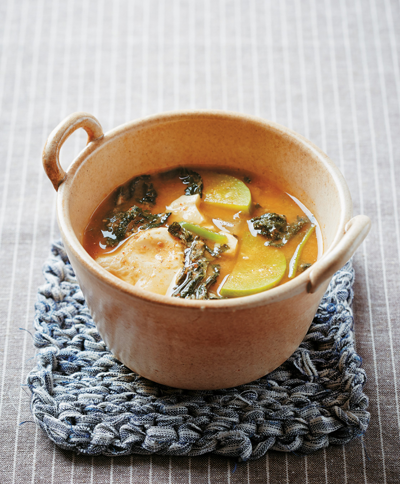
Doenjang guk is a thinner soup with less paste, usually made with one vegetable such as spinach, napa cabbage or dried radish greens. Jjigae is thicker, stronger and full of ingredients.