Beef Yukjeon with Abalone Innards Dipping Sauce
소고기육전과 전복내장소스
Thin slices of beef chuck flap coated in flour mixed with dried shrimp and egg, pan-fried, and served with a dipping sauce of cooked abalone innards, chives and red chili in vinegar soy. Pepper replaces salt in seasoning the beef, removing gamey smells.
🥘 Ingredients
Tap an ingredient to check it off.
Main
Abalone innards sauce
🧺 Korean ingredients in this recipe
- Korean Green Onions (Pa)Thick daepa, slender jjokpa and the green onions in almost every dish
- Korean Chili PeppersFresh green and red chilies, from mild to Cheongyang
- Clams & ShellfishClams, mussels, oysters and abalone for clean, savory broths
- Ginger in Korean CookingFresh ginger, ginger juice and ginger syrup for marinades and teas
- Korean Soy Sauce (Ganjang)Guk-ganjang, jin-ganjang and when to use each🛒 Shop on Amazon
- Cheongju & Mirin (Cooking Wine)Rice wines that tame fishy and meaty odors🛒 Shop on Amazon
- Korean VinegarsBrown rice, persimmon and fruit vinegars for dressings and pickles🛒 Shop on Amazon
- Sesame Oil & Sesame SeedsThe nutty finishing touch of Korean food🛒 Shop on Amazon
As an Amazon Associate, coo K food earns from qualifying purchases.
📝 Step-by-Step Instructions
Slice the beef 3 mm thick and toss with pepper. Finely chop the chives, red chili and cooked abalone innards.
Mix the chopped dried shrimp into the flour, then coat the beef in the flour and then the beaten egg.
Mix the chives, chili and abalone innards with the ginger, soy sauce, mirin, vinegar and sesame oil to make the sauce.
Heat 10 ml of oil in a pan over medium heat and cook the coated beef for 4 minutes, turning.
Plate the beef and serve with the abalone innards sauce.
📊 Nutrition Facts (per serving)
Nutrition values are taken from the original recipe data and are approximate.
🎥 Watch Cooking Videos
▶Search “Beef Yukjeon with Abalone Innards Dipping Sauce” on YouTubeFind cooking videos, tutorials, and tips→Source: adapted from the recipe database of the Ministry of Food and Drug Safety of Korea (Food Safety Korea), used under the Korea Open Government License (KOGL) Type 1. English translation and editing by coo K food.
🍽️ You Might Also Like
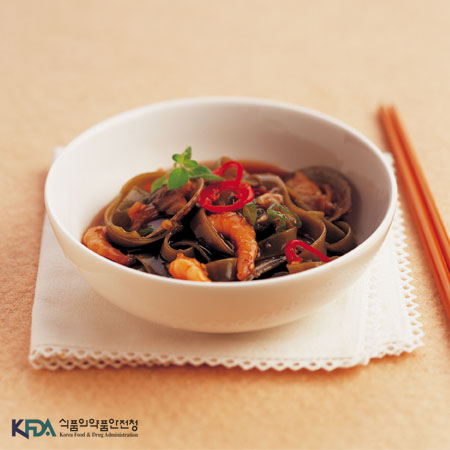
Stir-Fried Kalguksu Noodles with Clams & Shrimp
바지락 볶음면
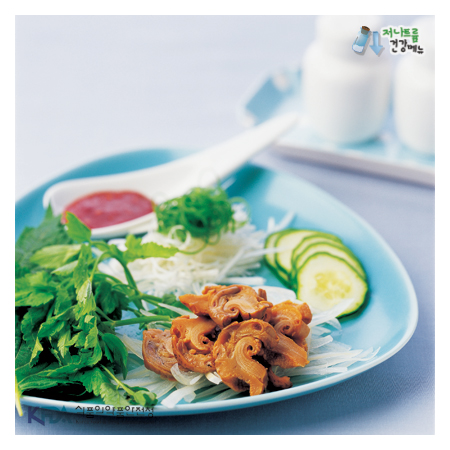
Golbaengi Muchim with Apple Chogochujang
골뱅이무침
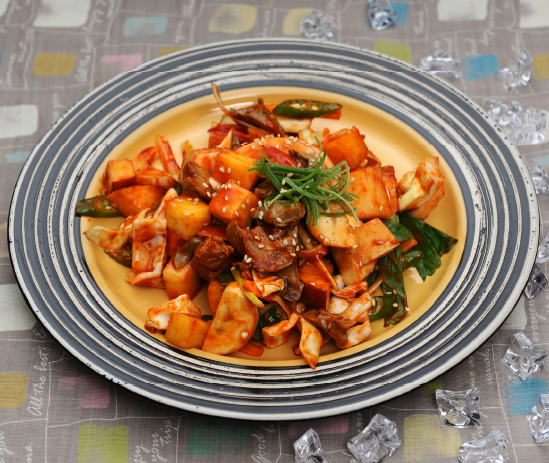
Spicy Whelk & Fruit Salad (Golbaengi Muchim)
골뱅이과일무침
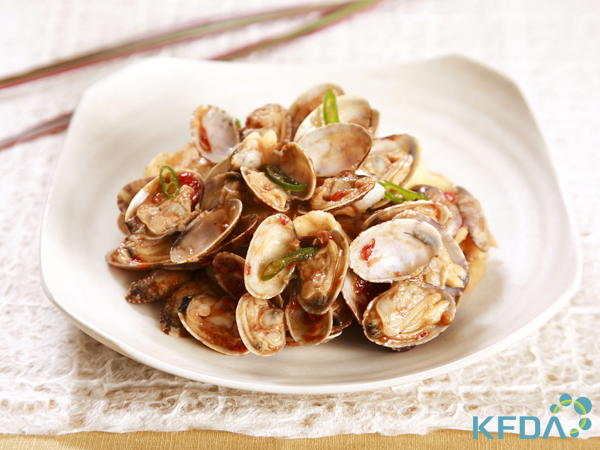
Stir-Fried Sujebi with Clams
바지락수제비볶음
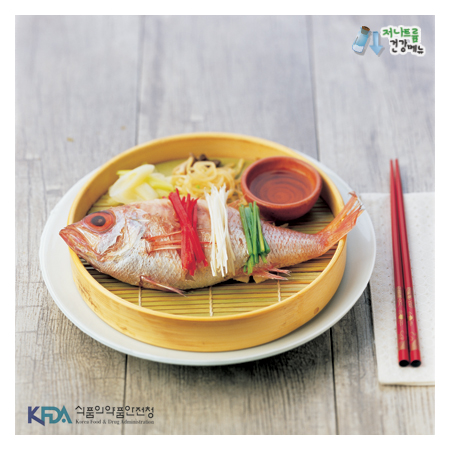
Steamed Blackthroat Seaperch (Geumtae) with Vegetables
금태찜
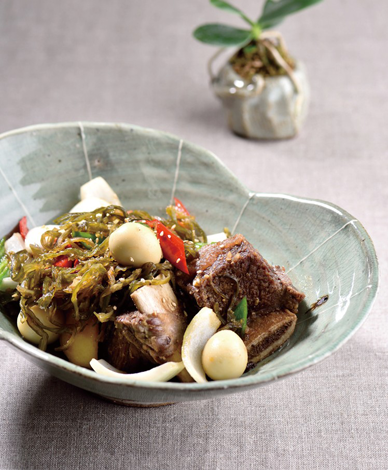
Braised Short Ribs with Seaweed Stems (Galbi-jjim)
해초갈비찜