Ginseng Tteok-galbi (Korean Grilled Short Rib Patties)
인삼떡갈비
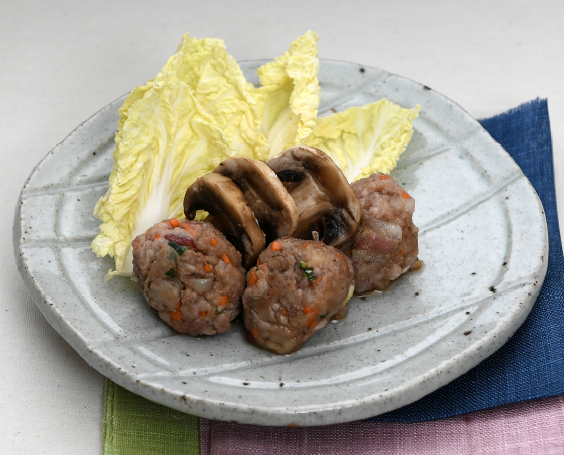
Juicy tteok-galbi patties of minced beef and pork mixed with jujubes, vegetables and pan-roasted ginseng, served over cabbage leaves with sautéed mushrooms. The natural sweetness of jujubes means less soy sauce is needed, cutting sodium.
🥘 Ingredients
Tap an ingredient to check it off.
🧺 Korean ingredients in this recipe
- Jujube (Daechu)Sweet red dates for teas, rice cakes and soups🛒 Shop on Amazon
- Garlic in Korean CookingMinced, sliced, pickled and black — the backbone of Korean flavor
- Korean Pear (Bae)Juicy Asian pear — fruit, tenderizer and sweetener
- Korean Zucchini (Aehobak)Tender, pale-green Korean summer squash
- Kabocha Squash (Danhobak)Sweet squash that doubles as a natural sweetener
- Fresh Ginseng (Susam)Fresh Korean ginseng for soups, honey and fritters
- Korean MushroomsShiitake, enoki, king oyster and other everyday mushrooms🛒 Shop on Amazon
- Napa Cabbage (Baechu)The cabbage behind classic kimchi
- Korean Soy Sauce (Ganjang)Guk-ganjang, jin-ganjang and when to use each🛒 Shop on Amazon
- Tofu (Dubu)Firm, soft and silken tofu in Korean cooking
As an Amazon Associate, coo K food earns from qualifying purchases.
📝 Step-by-Step Instructions
Peel the flesh from the jujubes in a spiral, remove the pits and finely chop.

Knead the minced beef and pork with the jujubes, salt and pepper.

Coarsely chop the zucchini, kabocha and bell pepper, add them to the meat mixture and knead well.

Slice the mushrooms and cook them in a pan. Trim the top of the ginseng, wash it, sauté it in a pan, chop it finely and add it to the meat mixture.

Shape the well-mixed meat into rectangular patties.

Pan-fry the patties. Line a plate with cabbage leaves, add the cooked mushrooms and place the patties on top.

📊 Nutrition Facts (per serving)
Nutrition values are taken from the original recipe data and are approximate.
🎥 Watch Cooking Videos
▶Search “Ginseng Tteok-galbi (Korean Grilled Short Rib Patties)” on YouTubeFind cooking videos, tutorials, and tips→Source: adapted from the recipe database of the Ministry of Food and Drug Safety of Korea (Food Safety Korea), used under the Korea Open Government License (KOGL) Type 1. English translation and editing by coo K food.
🍽️ You Might Also Like
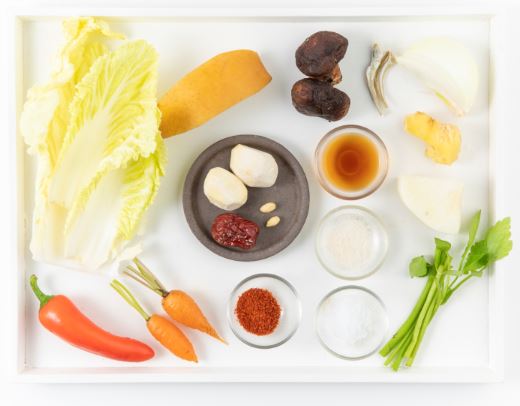
Low-Sodium Bossam Kimchi with Bell Pepper Juice
저염보쌈김치
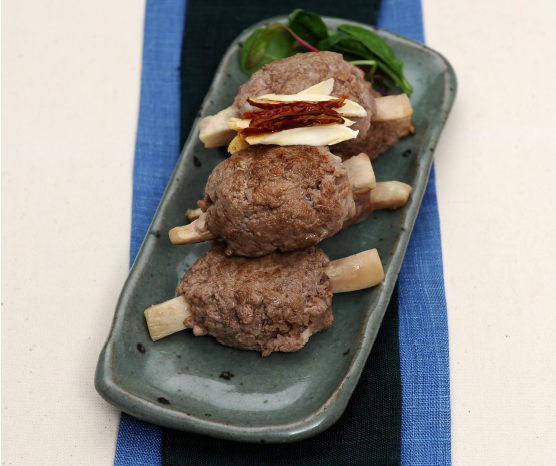
Fresh Ginseng Tteok-galbi on King Oyster 'Bones'
수삼떡갈비
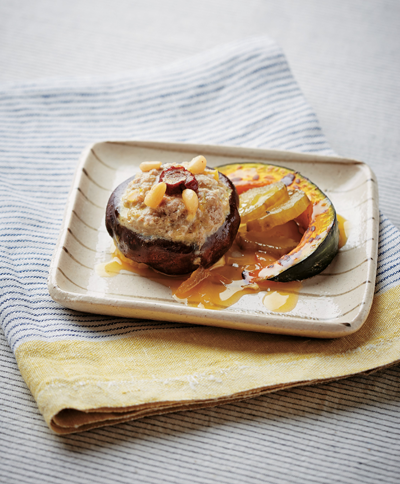
Steamed Beef-Stuffed Shiitake with Orange Sauce
쇠고기표고찜
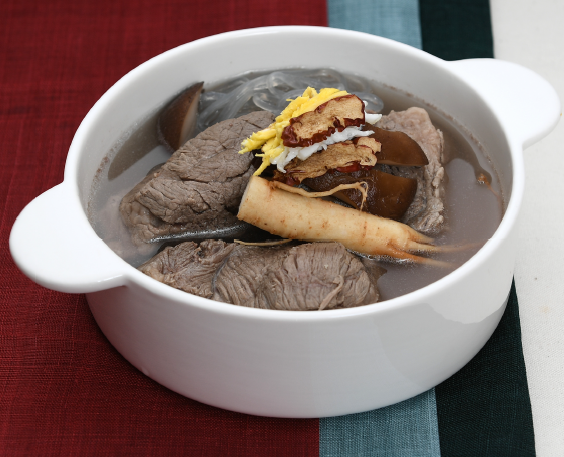
Ginseng Galbitang (Beef Short Rib Soup)
인삼갈비탕
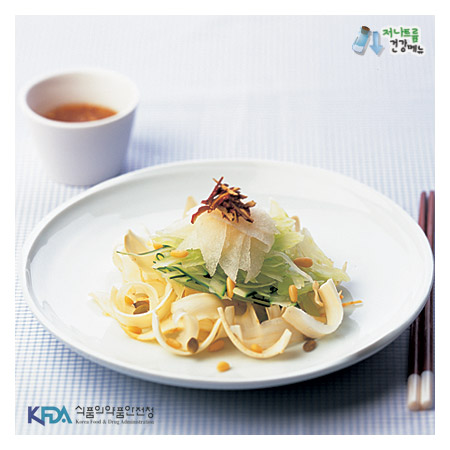
Fresh Ginseng & Pear Salad with Yuzu Jujube Dressing
수삼 냉채

Beef Bulgogi with Vegetables & Pear
소고기채소불고기