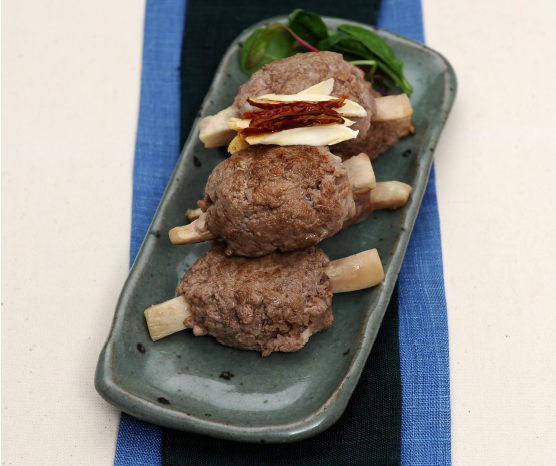
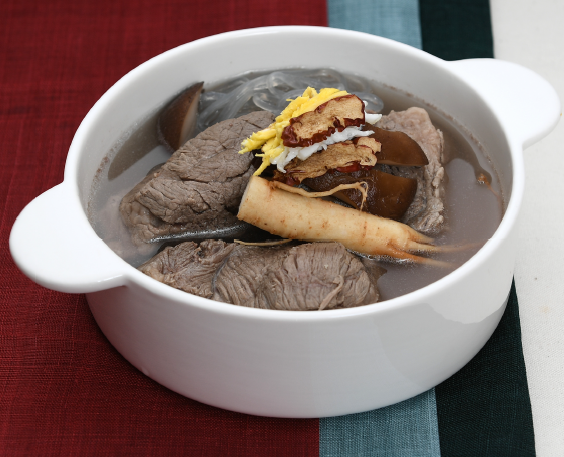
Fresh Ginseng (Susam)
수삼su-sam
Fresh Korean ginseng for soups, honey and fritters
Susam is fresh, undried Korean ginseng (Panax ginseng). Dried, it becomes baeksam (white ginseng); steamed and then dried, hongsam (red ginseng). Fresh roots are juicy, earthy and pleasantly bitter.
- Korean name
- 수삼 (su-sam)
- What it is
- Fresh Korean ginseng for soups, honey and fritters
- Storage
- Wrap in a damp paper towel and refrigerate for one to two weeks, or freeze.
- Substitute
- Dried ginseng (soaked first) can replace fresh in soups.
- Recipes
- Used in 19 recipes on coo K food
How it is used
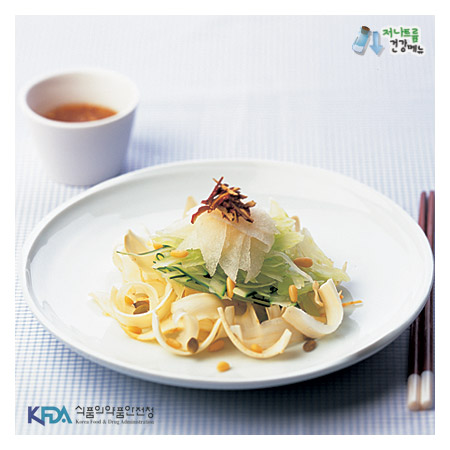
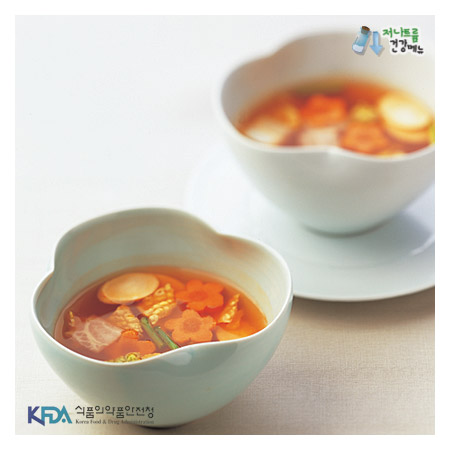
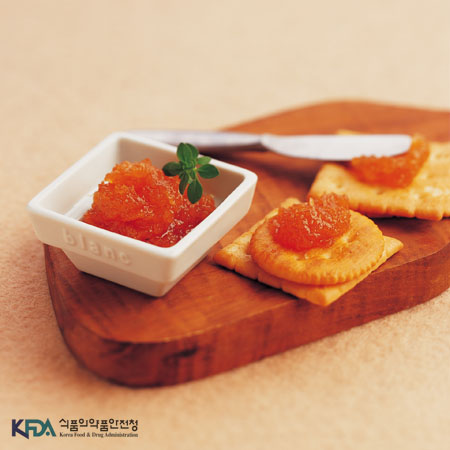
The best-known dish is samgyetang, a whole young chicken stuffed with glutinous rice, ginseng, jujube and garlic and simmered until tender — traditionally eaten on the hottest days of summer. Fresh ginseng is also sliced and preserved in honey, battered and fried as twigim, shaved into salads and blended into drinks with milk or honey.
Preparing it
Scrub the roots gently with a soft brush under running water to clean the creases, and trim off the hard knob at the top. Leave thin roots whole for soups, or slice for salads and frying.
A note of caution
Ginseng contains active compounds and can interact with some medications, including blood thinners and diabetes medication. If you take regular medication or are pregnant, check with a doctor before eating it often.
🧊 How to store it
Wrap in a damp paper towel and refrigerate for one to two weeks, or freeze.
🔄 Substitutes
Dried ginseng (soaked first) can replace fresh in soups. There is no real substitute for its flavor; in samgyetang you can simply leave it out.
🛒 Where to buy
This is a fresh ingredient, so it is best bought in person at a Korean or pan-Asian grocery store such as H Mart, or through an online Asian grocer that delivers fresh produce in your area. Look for it under its Korean name, 수삼 (susam).