Korean Mustard (Gyeoja)
겨자gyeo-ja
Hot, sinus-clearing mustard for cold noodles and dipping sauces
Gyeoja is a sharp, nose-tingling yellow mustard, closer to Japanese karashi than to Western mustards. It is used sparingly to wake up cold dishes and to cut the richness of meat and seafood.
- Korean name
- 겨자 (gyeo-ja)
- What it is
- Hot, sinus-clearing mustard for cold noodles and dipping sauces
- Storage
- Mustard powder keeps for a year in a dry, airtight jar.
- Substitute
- Japanese karashi is nearly identical.
- Recipes
- Used in 33 recipes on coo K food
Preparing mustard powder
Traditional recipes start from mustard powder: mix it with a little warm water into a paste and let it stand, covered, for 10–15 minutes so the heat develops. Ready-made mustard paste in tubes is also widely used.
How it is used
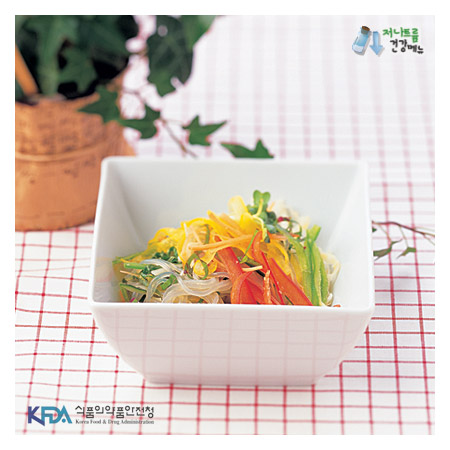
Mustard is added at the table to naengmyeon (cold noodles) with vinegar, mixed into gyeoja-chae (a cold salad of meat, seafood and julienned vegetables in mustard dressing), served with jokbal (braised pork trotters) and stirred into dipping sauces for dumplings and jellyfish salad.
🧊 How to store it
Mustard powder keeps for a year in a dry, airtight jar. Refrigerate tube mustard after opening.
🔄 Substitutes
Japanese karashi is nearly identical. English mustard powder works; Dijon is milder and tangier, so use more.
🛒 Where to buy
This is a fresh ingredient, so it is best bought in person at a Korean or pan-Asian grocery store such as H Mart, or through an online Asian grocer that delivers fresh produce in your area. Look for it under its Korean name, 겨자 (gyeoja).