Doenjang-Boiled Pork Belly with Seafood Mustard Salad
돈수육
Pork belly boiled with green onion, ginger, garlic, peppercorns, mirin and doenjang, sliced and served with a cold salad of shrimp, squid and baby octopus with peppers, cucumber, carrot and onion in Korean mustard. The seafood salad makes the bossam tasty without ssamjang, salted shrimp or salt.

🥘 Ingredients
Tap an ingredient to check it off.
Pork
Seafood salad
🧺 Korean ingredients in this recipe
- Korean Green Onions (Pa)Thick daepa, slender jjokpa and the green onions in almost every dish
- Ginger in Korean CookingFresh ginger, ginger juice and ginger syrup for marinades and teas
- Garlic in Korean CookingMinced, sliced, pickled and black — the backbone of Korean flavor
- Cheongju & Mirin (Cooking Wine)Rice wines that tame fishy and meaty odors🛒 Shop on Amazon
- DoenjangRustic fermented soybean paste🛒 Shop on Amazon
- Squid & OctopusSquid, long-arm octopus and webfoot octopus for stir-fries and stews
- Korean Mustard (Gyeoja)Hot, sinus-clearing mustard for cold noodles and dipping sauces
- Korean VinegarsBrown rice, persimmon and fruit vinegars for dressings and pickles🛒 Shop on Amazon
As an Amazon Associate, coo K food earns from qualifying purchases.
📘 Cooking basics for this recipe
📝 Step-by-Step Instructions
Boil water with the green onion, ginger, garlic, peppercorns, mirin and doenjang.

When it boils, add the pork belly in one piece and cook for 35–40 minutes.

Score and blanch the shrimp, squid and baby octopus, and finely julienne the peppers, cucumber, carrot and onion.

Mix the mustard powder with water and let it develop, then add sugar and vinegar and toss with the seafood and vegetables.

Slice the pork.

Serve the pork with the seafood salad.

📊 Nutrition Facts (per serving)
Nutrition values are taken from the original recipe data and are approximate.
🎥 Watch Cooking Videos
▶Search “Doenjang-Boiled Pork Belly with Seafood Mustard Salad” on YouTubeFind cooking videos, tutorials, and tips→Source: adapted from the recipe database of the Ministry of Food and Drug Safety of Korea (Food Safety Korea), used under the Korea Open Government License (KOGL) Type 1. English translation and editing by coo K food.
🍽️ You Might Also Like
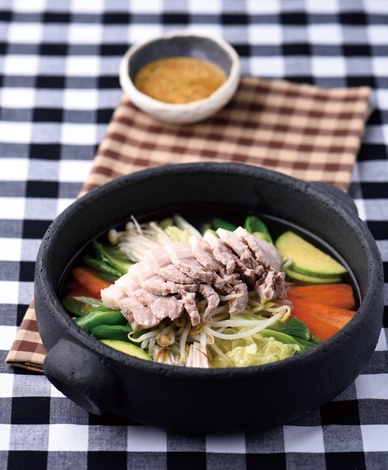
Boiled Pork Belly Clear Hot Pot (Suyuk Jeongol)
돼지수육맑은전골
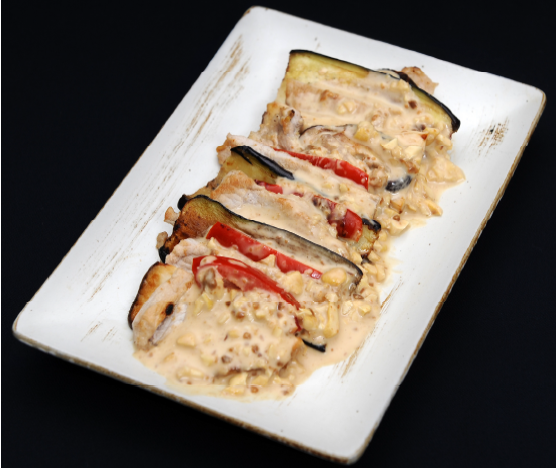
Maekjeok (Korean Grilled Marinated Pork) with Peanut Doenjang Sauce
맥적구이
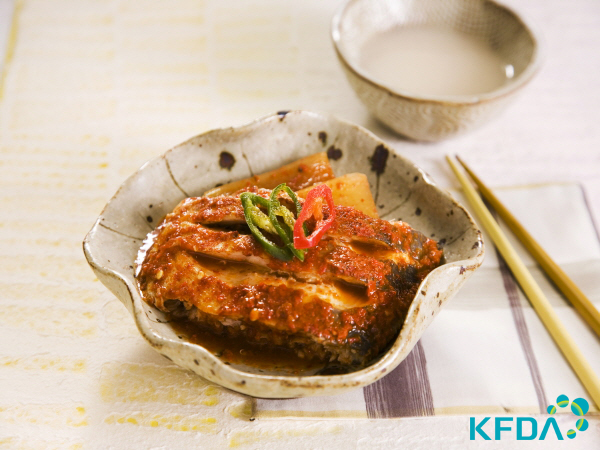
Braised Butterfish with Radish (Byeong-eo Jorim)
별미병어조림
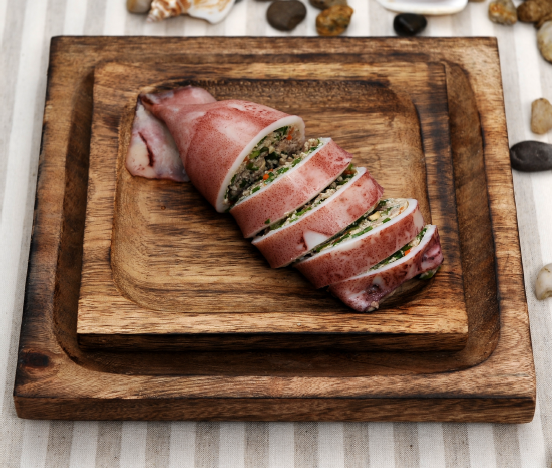
Steamed Stuffed Squid (Ojingeo Sundae)
오징어순대

Grilled Doenjang-Honey Pork Belly with Ginseng Salad
통삼겹맥적구이
Clear Steamed Semi-Dried Pollock (Kodari-jjim)
코다리맑은찜