Garlic Chives (Buchu)
부추bu-chu
Flat garlic chives for pancakes, kimchi and dumplings
Buchu (Allium tuberosum) has flat, grass-like leaves with a mild garlic-onion bite — stronger than Western chives. Korean markets sell regular buchu and a thin, tender variety (yeongyang-buchu or sol) that is lovely raw.
- Korean name
- 부추 (bu-chu)
- What it is
- Flat garlic chives for pancakes, kimchi and dumplings
- Storage
- Wrap in paper towel and refrigerate in a container; use within four to five days.
- Substitute
- Chinese garlic chives are the same plant.
- Recipes
- Used in 53 recipes on coo K food
How it is used
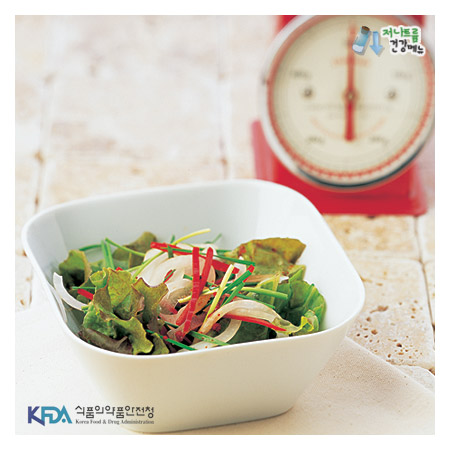
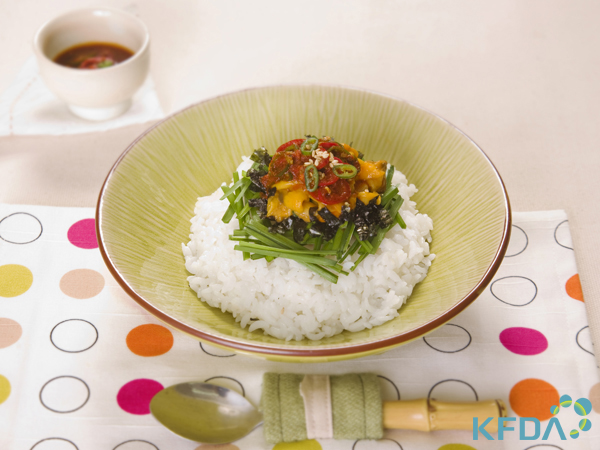
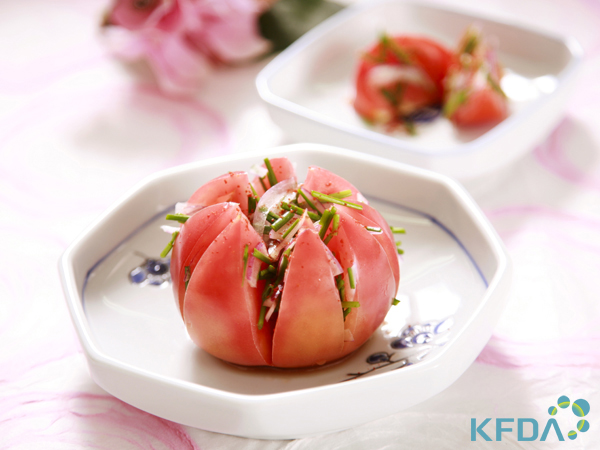
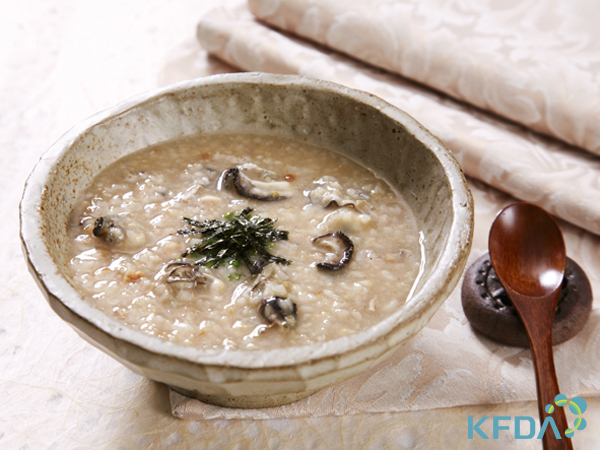
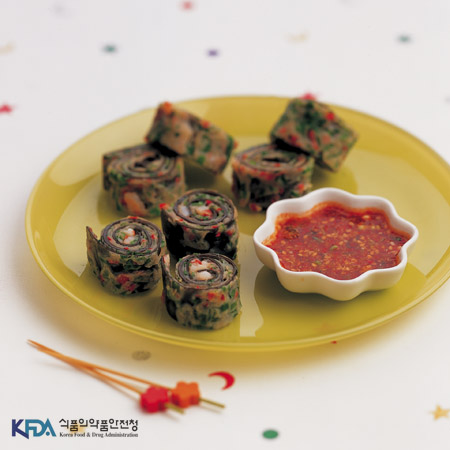
Buchu-jeon, a crisp chive pancake, is classic rainy-day food. Garlic chives are also made into quick kimchi (buchu-kimchi), mixed into dumpling fillings and rolled omelets, dressed with chili and vinegar as a salad served with grilled pork belly, and piled onto pork and rice soup (dwaeji-gukbap).
Handling
Wash gently — the leaves bruise easily — and cut into 4–5 cm lengths for pancakes. Add buchu to soups at the very end, since it wilts in seconds.
🧊 How to store it
Wrap in paper towel and refrigerate in a container; use within four to five days.
🔄 Substitutes
Chinese garlic chives are the same plant. Otherwise, use green onion tops with a little minced garlic.
🛒 Where to buy
This is a fresh ingredient, so it is best bought in person at a Korean or pan-Asian grocery store such as H Mart, or through an online Asian grocer that delivers fresh produce in your area. Look for it under its Korean name, 부추 (buchu).