Perilla Sujebi with Root Vegetables & Rice Balls
뿌리채소들깨수제비
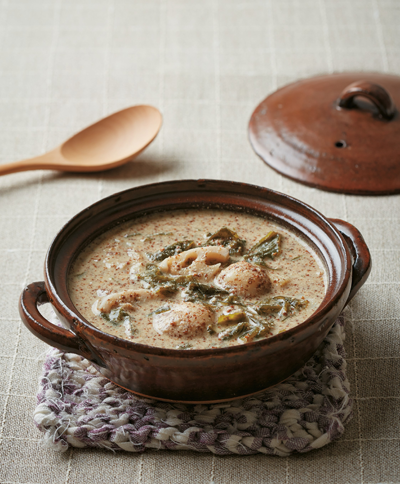
A thick perilla-seed soup with potato, lotus root, seaweed and chewy glutinous rice balls (saealsim). Seaweed, potato and lotus root are rich in potassium, which helps flush out sodium, and perilla seed powder adds a nutty flavor in place of salt.
🥘 Ingredients
Tap an ingredient to check it off.
Main
Rice balls
Seasoning
🧺 Korean ingredients in this recipe
- Dried Kelp (Dasima)Kelp for clean, savory broth🛒 Shop on Amazon
- Lotus Root & BurdockCrunchy roots for glossy soy braises
- Seaweed (Miyeok, Gim & More)Miyeok, gim, hijiki and other seaweeds🛒 Shop on Amazon
- Glutinous Rice & Rice FloursSticky rice and rice flours for porridge, pancakes and sweets🛒 Shop on Amazon
- Perilla Seeds & Perilla OilKorea's other sesame🛒 Shop on Amazon
- Garlic in Korean CookingMinced, sliced, pickled and black — the backbone of Korean flavor
- Korean Soy Sauce (Ganjang)Guk-ganjang, jin-ganjang and when to use each🛒 Shop on Amazon
As an Amazon Associate, coo K food earns from qualifying purchases.
📘 Cooking basics for this recipe
📝 Step-by-Step Instructions
Bring the kelp and 250 g of water to a boil over medium heat, then remove the kelp.

Peel and dice the potato and lotus root and rinse in water to remove the starch.

Soak the dried seaweed in lukewarm water, rub it vigorously by hand and cut into bite-sized pieces.

Knead the glutinous rice flour with 25 g of water and the salt and roll into small balls.

Heat the perilla oil in a pot and stir-fry the seaweed and garlic, then add the kelp stock, potato and lotus root and bring to a boil.

When the potato is nearly cooked, add the rice balls and cook through, then stir in the perilla seed powder and season with the soup soy sauce.

📊 Nutrition Facts (per serving)
Nutrition values are taken from the original recipe data and are approximate.
🎥 Watch Cooking Videos
▶Search “Perilla Sujebi with Root Vegetables & Rice Balls” on YouTubeFind cooking videos, tutorials, and tips→Source: adapted from the recipe database of the Ministry of Food and Drug Safety of Korea (Food Safety Korea), used under the Korea Open Government License (KOGL) Type 1. English translation and editing by coo K food.
🍽️ You Might Also Like
Seaweed & Perilla Joraengi Rice Cake Soup
미역 조랭이 떡국
Grilled Vegetable Nigiri
채소초밥

Mushroom Soft Tofu Stew
버섯순두부찌개
Semi-Dried Pollock & Root Vegetable Perilla Stew
코다리 뿌리채소 들깨탕
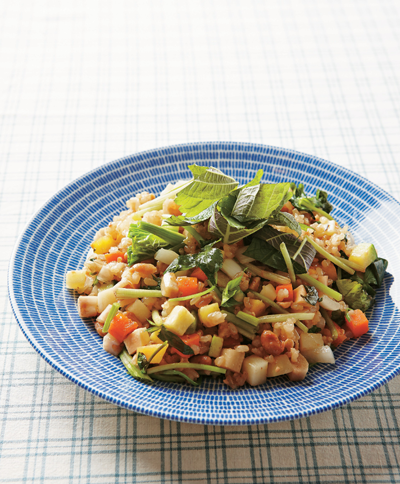
Cheonggukjang Fried Rice with Root Vegetables
청국장볶음밥
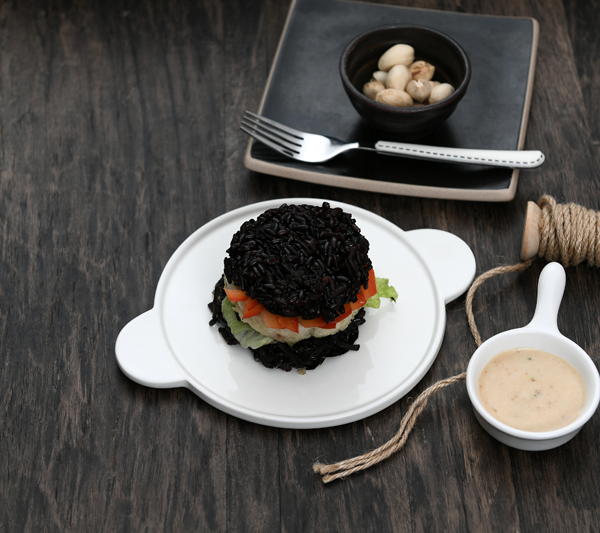
Gondre Rice Burger with Banana Doenjang Mayo
곤드레 밥버거