Lotus Root & Burdock
연근 · 우엉yeon-geun · u-eong
Crunchy roots for glossy soy braises
Yeongeun (lotus root) and ueong (burdock root) are the classic Korean root vegetables for jorim — braising in soy sauce and syrup until glossy and chewy — and both are favorite lunchbox side dishes.
- Korean name
- 연근 · 우엉 (yeon-geun · u-eong)
- What it is
- Crunchy roots for glossy soy braises
- Storage
- Keep unwashed roots wrapped in newspaper in the fridge.
- Substitute
- For lotus root, jicama or water chestnuts give a similar crunch.
- Recipes
- Used in 26 recipes on coo K food
Lotus root
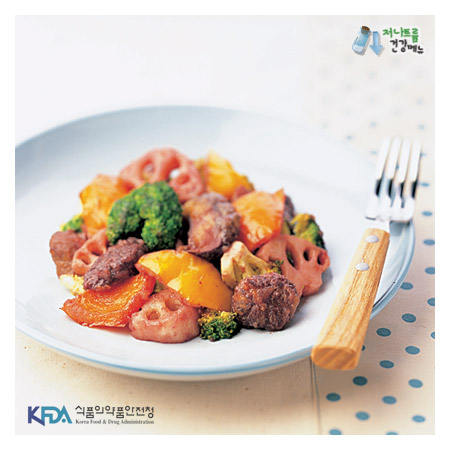
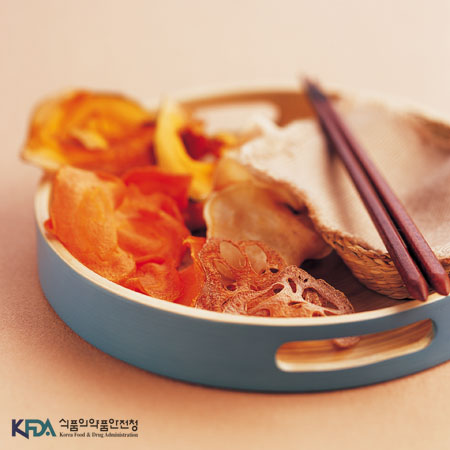
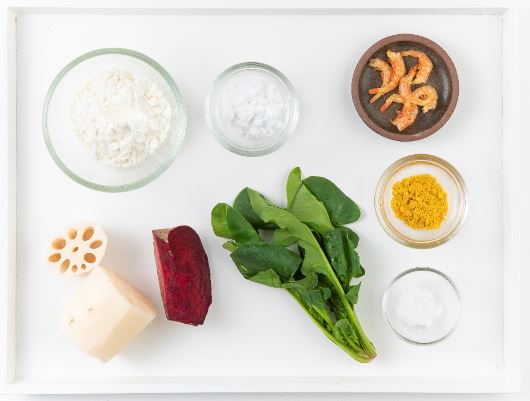
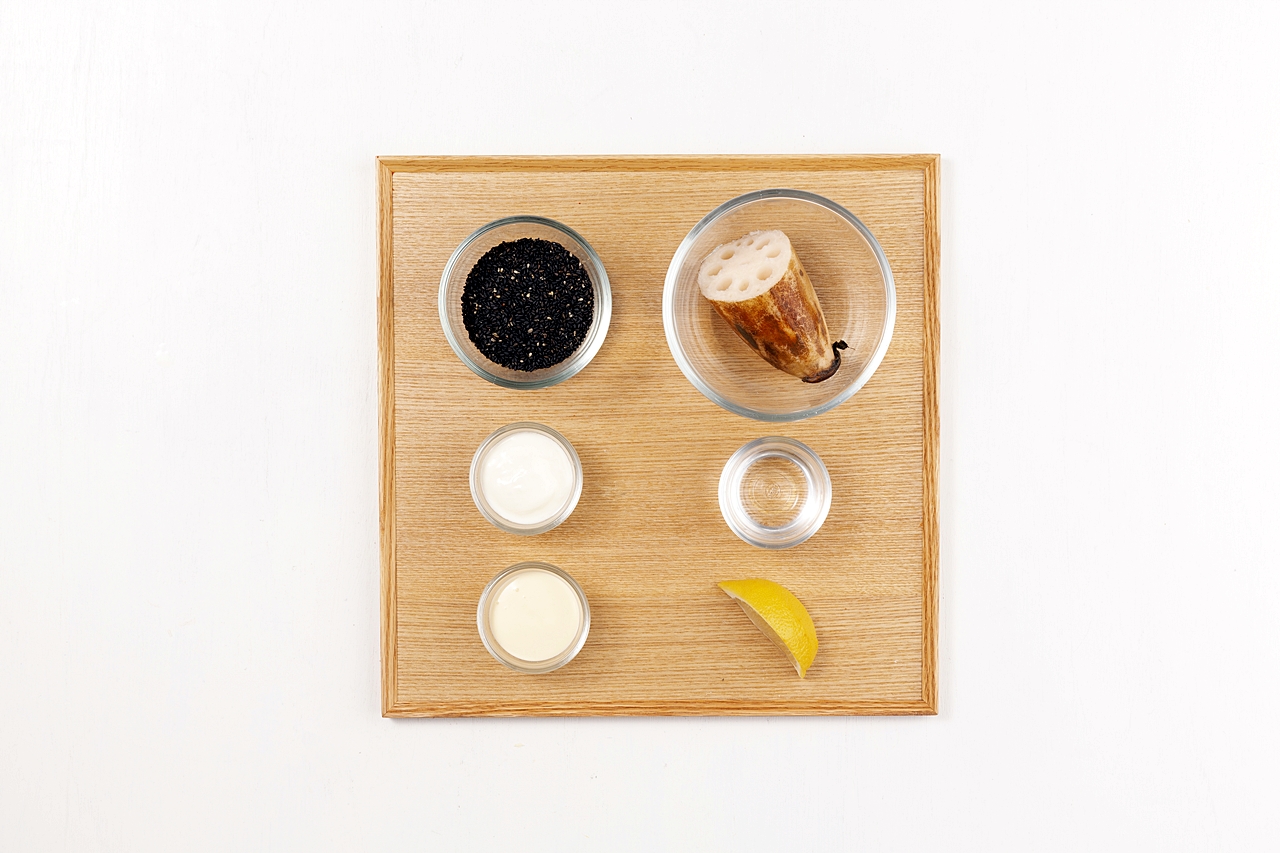
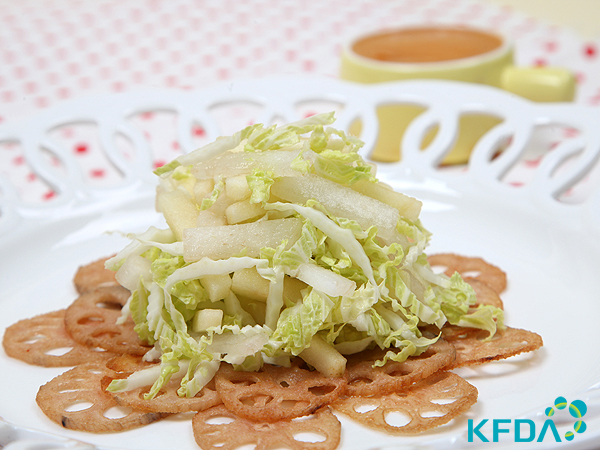
Lotus root has a lacy pattern of hollow channels and a crisp, starchy bite. It becomes yeongeun-jorim, pan-fried jeon, chips and salads. Soak slices in water with a little vinegar right after cutting to keep them white and remove astringency, then blanch before braising.
Burdock root
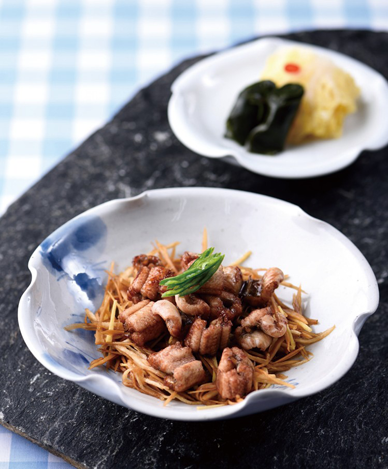
Burdock is long, slender and earthy, with a fibrous texture. Much of its aroma is just under the skin, so scrape it lightly with the back of a knife rather than peeling it thickly. Julienne it and soak in water to stop browning, then braise it as ueong-jorim — a standard gimbap filling — or roast it for tea.
🧊 How to store it
Keep unwashed roots wrapped in newspaper in the fridge. Cut pieces can be kept covered in water in the fridge for a few days.
🔄 Substitutes
For lotus root, jicama or water chestnuts give a similar crunch. For burdock, use salsify, or parsnip or carrot.
🛒 Where to buy
This is a fresh ingredient, so it is best bought in person at a Korean or pan-Asian grocery store such as H Mart, or through an online Asian grocer that delivers fresh produce in your area. Look for it under its Korean name, 연근 · 우엉 (yeongeun · ueong).