Seared Beef Brisket with Seaweed Salad & Three Sauces
차돌박이볶음
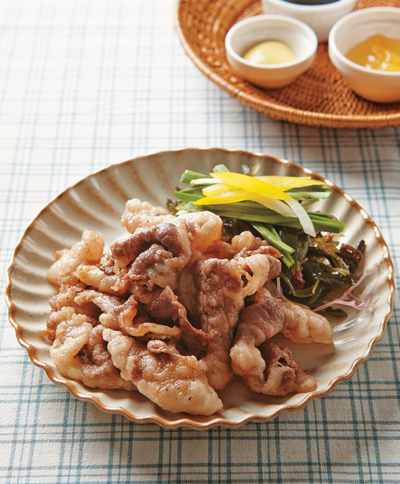
Thin slices of chadolbagi (beef brisket) marinated with pear and soy, seared and served with a vinegared seaweed salad, vegetables and three dipping sauces — balsamic plum, mustard mayo and yuzu. Low-sodium soy sauce and well-soaked seaweed keep sodium down.
🥘 Ingredients
Tap an ingredient to check it off.
Main
Sauce 1
Sauce 2
Sauce 3
Beef marinade
Seaweed seasoning
🧺 Korean ingredients in this recipe
- Garlic Chives (Buchu)Flat garlic chives for pancakes, kimchi and dumplings
- Seaweed (Miyeok, Gim & More)Miyeok, gim, hijiki and other seaweeds🛒 Shop on Amazon
- Maesil-cheong (Green Plum Syrup)Sweet-tart plum syrup used like sugar🛒 Shop on Amazon
- Korean Mustard (Gyeoja)Hot, sinus-clearing mustard for cold noodles and dipping sauces
- Yuja-cheong (Yuzu Marmalade)Fragrant citron preserve for tea and dressings🛒 Shop on Amazon
- Korean VinegarsBrown rice, persimmon and fruit vinegars for dressings and pickles🛒 Shop on Amazon
- Korean Soy Sauce (Ganjang)Guk-ganjang, jin-ganjang and when to use each🛒 Shop on Amazon
- Korean Pear (Bae)Juicy Asian pear — fruit, tenderizer and sweetener
As an Amazon Associate, coo K food earns from qualifying purchases.
📘 Cooking basics for this recipe
📝 Step-by-Step Instructions
Marinate the brisket in the beef marinade.

Wash and finely julienne the bell pepper and onion, and cut the garlic chives to a similar length.

Clean the seaweed well, soak it to remove salt and marinate it in the seaweed seasoning.

Mix each of the three sauces.

Sear the brisket in a pan.

Plate the brisket with the seaweed, garlic chives, bell pepper and onion, and serve with the three sauces.

📊 Nutrition Facts (per serving)
Nutrition values are taken from the original recipe data and are approximate.
🎥 Watch Cooking Videos
▶Search “Seared Beef Brisket with Seaweed Salad & Three Sauces” on YouTubeFind cooking videos, tutorials, and tips→Source: adapted from the recipe database of the Ministry of Food and Drug Safety of Korea (Food Safety Korea), used under the Korea Open Government License (KOGL) Type 1. English translation and editing by coo K food.
🍽️ You Might Also Like
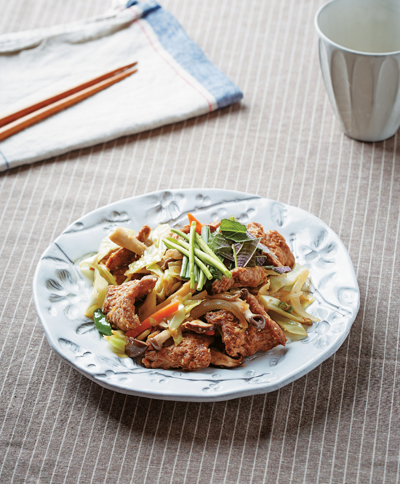
Mushroom & Soy Meat Bulgogi
버섯콩불고기
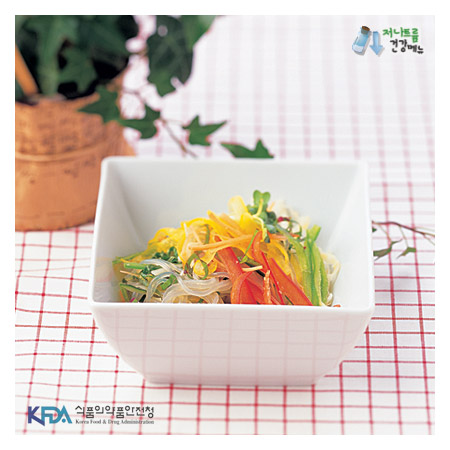
Chilled Japchae with Pear Mustard Dressing
냉잡채

Lettuce Geotjeori with Chives
상추 겉절이
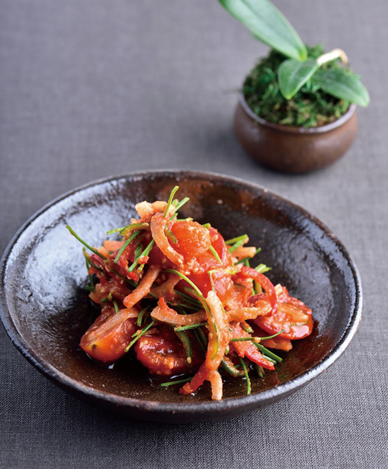
Cherry Tomato Kimchi with Banana
토마토김치
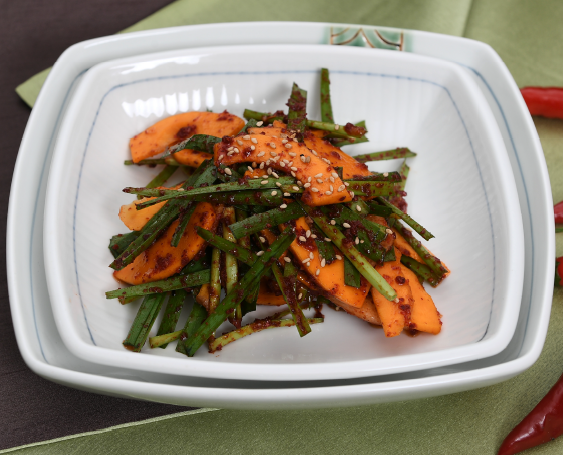
Kabocha Saengchae (Spicy Fresh Squash Salad)
단호박생채
Spicy Seaweed Noodles with Acorn Jelly
해조비빔국수