Korean Sauce Basics: Marinades, Gochujang Sauce and Dipping Sauces
양념
The core yangnyeom ratios behind bulgogi, bibimbap, tteokbokki and dipping sauces
Yangnyeom (양념) means seasoning, and in practice it means a small number of sauces that Korean cooks mix from memory: a soy-garlic marinade for bulgogi and galbi, a gochujang sauce for bibimbap and tteokbokki, a vinegared gochujang for raw fish and vegetables, and a soy dipping sauce for pancakes and dumplings. Each one is a ratio, not a fixed recipe. Learn the ratio and you can scale it, adjust it to your ingredients, and recognize it inside hundreds of recipes.
Soy-garlic marinade (bulgogi and galbi style)
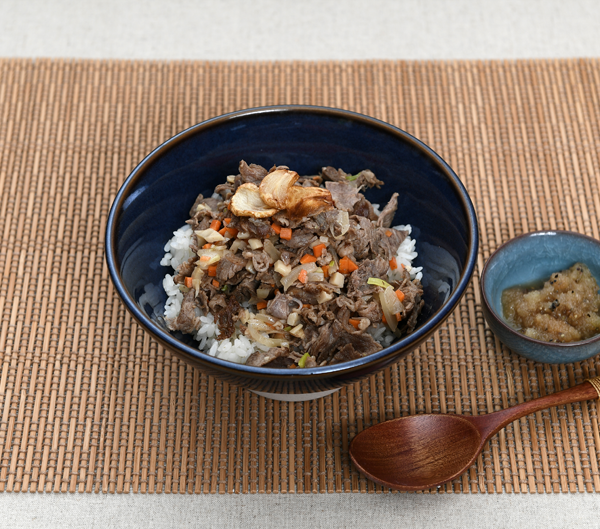
This sweet-savory marinade is used for bulgogi, galbi, pork bulgogi without chili, and mushroom or tofu versions. For 500 g of thinly sliced beef:
- Soy sauce: 4 tbsp
- Sugar or honey: 1½–2 tbsp (or 1 tbsp sugar plus ½ grated Korean pear or apple)
- Minced garlic: 1 tbsp
- Rice wine (mirim or cheongju): 1 tbsp
- Sesame oil: 1 tbsp, with 1 tsp toasted sesame seeds
- Ground black pepper: a pinch, and sliced green onion
The ratio to remember is roughly 2 parts soy sauce to 1 part sweetener, with garlic, sesame oil and pepper to taste. Grated pear or kiwi tenderizes the meat as well as sweetening it. Use kiwi sparingly and marinate no more than an hour, because its enzymes act fast and can make the meat mushy. Thin slices need 30 minutes to a few hours in the marinade. Bone-in galbi is best left overnight.
Gochujang sauce (bibimbap and tteokbokki)
For bibimbap, the sauce is stirred into the rice at the table. A good base for 2–3 bowls is 3 tbsp gochujang, 1 tbsp sugar or rice syrup, 1 tbsp sesame oil, 1 tsp minced garlic, 1 tsp vinegar and 1 tbsp water to loosen it. Toasted sesame seeds go on top.
For tteokbokki and spicy stir-fries, the sauce is cooked. A common base for 500 g of rice cakes is 2 tbsp gochujang, 1 tbsp gochugaru, 1 tbsp soy sauce, 1–2 tbsp sugar, and 1 tsp minced garlic, dissolved in 2 cups of anchovy-kelp broth. The gochugaru adds a cleaner, brighter heat and color. The gochujang adds body, sweetness and fermented depth.
Spicy pork stir-fry (jeyuk-bokkeum) uses the same building blocks with ginger added: roughly 2 tbsp gochujang, 1 tbsp gochugaru, 1 tbsp soy sauce, 1 tbsp sugar, 1 tbsp garlic and 1 tsp ginger for 500 g of pork.
Chogochujang (vinegared gochujang)
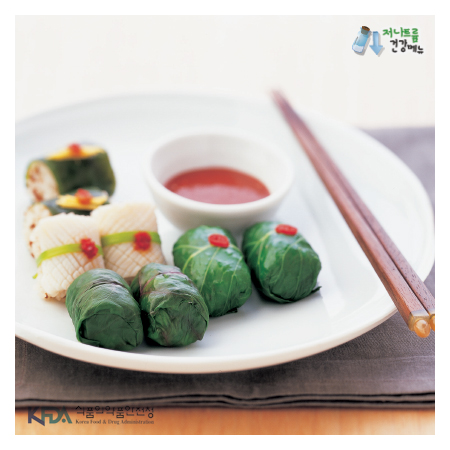
Chogochujang is a bright, sweet-sour-spicy sauce for raw fish (hoe), blanched squid and octopus, raw vegetables, and dressings for spicy salads. The classic ratio is 3 : 1 : 1:
- Gochujang: 3 tbsp
- Vinegar: 1 tbsp (rice or apple vinegar)
- Sugar or honey: 1 tbsp
- Optional: minced garlic, a squeeze of lemon, a little Sprite or cider in place of some of the sugar, toasted sesame seeds
Mix well until the sugar dissolves. It keeps for a few weeks in the fridge.
Yangnyeom-ganjang (seasoned soy dipping sauce)
This is the dipping sauce for pancakes (jeon, pajeon), dumplings and tofu, and a seasoning to spoon over plain rice or steamed vegetables. A balanced version is 2 tbsp soy sauce, 1 tbsp vinegar, 1 tbsp water, 1 tsp sugar, ½ tsp gochugaru, 1 tsp chopped green onion and ½ tsp toasted sesame seeds.
For dumplings and pancakes, keep it tart and thin so it cuts through the oil. As a sauce for rice or tofu, leave out the vinegar and add sesame oil, chopped chili and a little more green onion.
How sweetness is built, and how to scale
Korean sauces balance salt and heat with sweetness, and the sweetener changes the result. White sugar is neutral and dissolves quickly. Rice syrup (ssal-jocheong) and corn syrup (mulyeot) are less sweet and add gloss, so they are the usual finish for braised dishes and glazed side dishes. Honey is sweeter and more aromatic. Grated pear, apple or onion add a softer, fruitier sweetness and moisture. Fruit preserves such as maesil-cheong (green plum syrup) add sweetness and a light acidity at the same time.
Many recent Korean recipes, including many in our collection, use less sugar and rely more on fruit, onion and broth. If you swap sugar for syrup, use about 1½ times the amount, since syrups are less sweet.
To scale a sauce, multiply everything except the garlic and chili by the same factor, then add garlic and chili to taste. Strong aromatics can take over in a large batch. Always taste a sauce before it meets the meat or rice. Soy sauce and gochujang brands vary widely in salt and sweetness.
💡 Tips
- Mix the sauce in a bowl first rather than adding ingredients one by one to the pan. The flavors combine and nothing burns.
- Gochujang and sugar scorch easily. Cook gochujang sauces over medium heat and add a splash of broth or water if they start to stick.
- Make a double batch of soy-garlic marinade and keep half in the fridge for up to a week for quick stir-fries.
- If a sauce is too salty, add sweetener, vinegar or water a little at a time. If it is too sweet, add soy sauce or a squeeze of lemon.
- Use measuring spoons the first few times. Once the ratios are familiar, you can season by eye like a Korean home cook.