Baechu Kimchi (Napa Cabbage Kimchi)
배추김치bae-chu-gim-chi
Salted napa cabbage rubbed with chili, garlic and fish sauce, then fermented
Baechu kimchi is the kimchi most people picture: whole napa cabbage salted until it bends without snapping, then rubbed leaf by leaf with a paste of gochugaru, garlic, ginger, fish sauce and salted shrimp mixed with radish and green onion. Left to ferment, it turns from fresh and spicy to tangy and complex, and it is eaten with almost every Korean meal.
⏳ Plus 6–8 hours salting, 1 hour draining and 1–2 days fermenting at room temperature.
Looking for a twist? See 37 baechu kimchi variations ↓
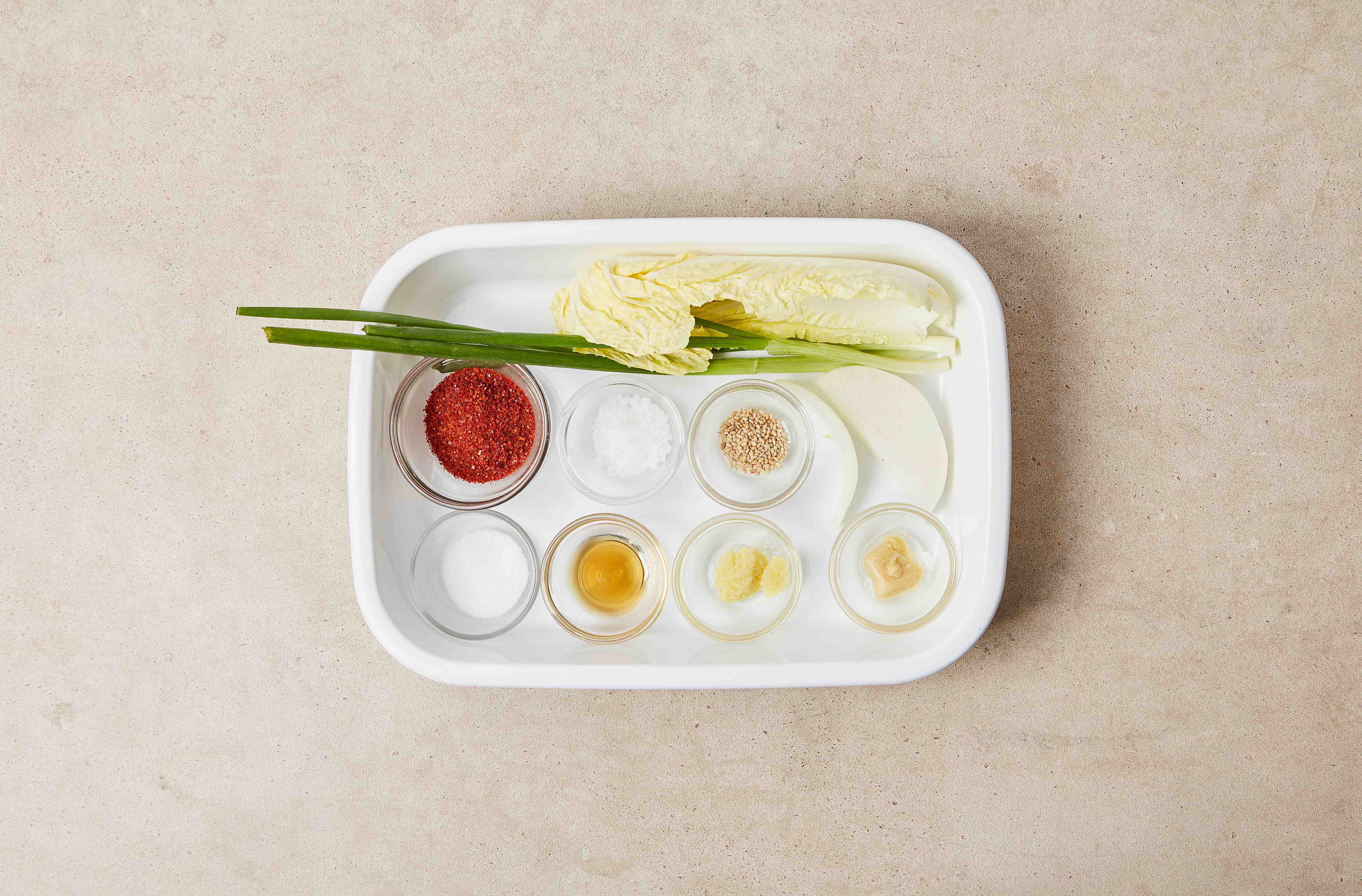
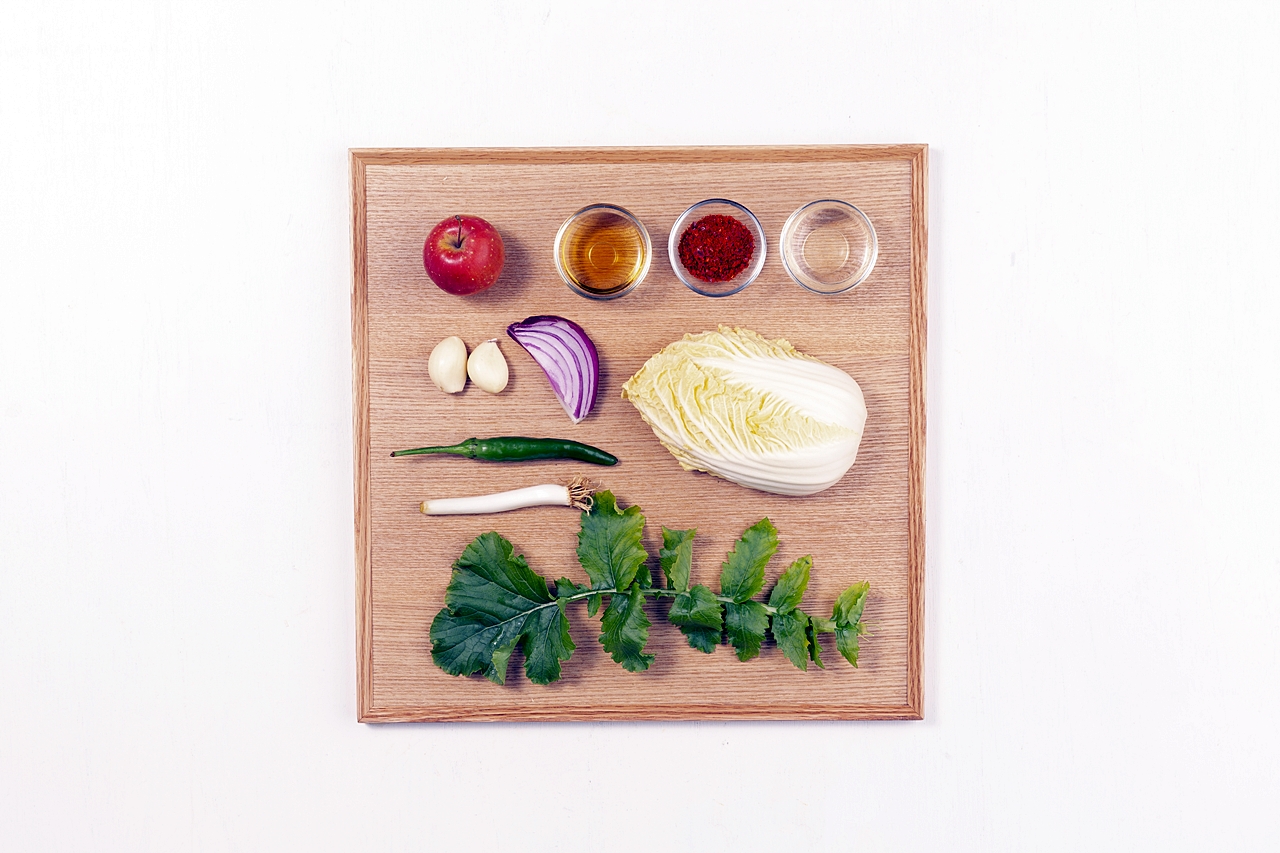
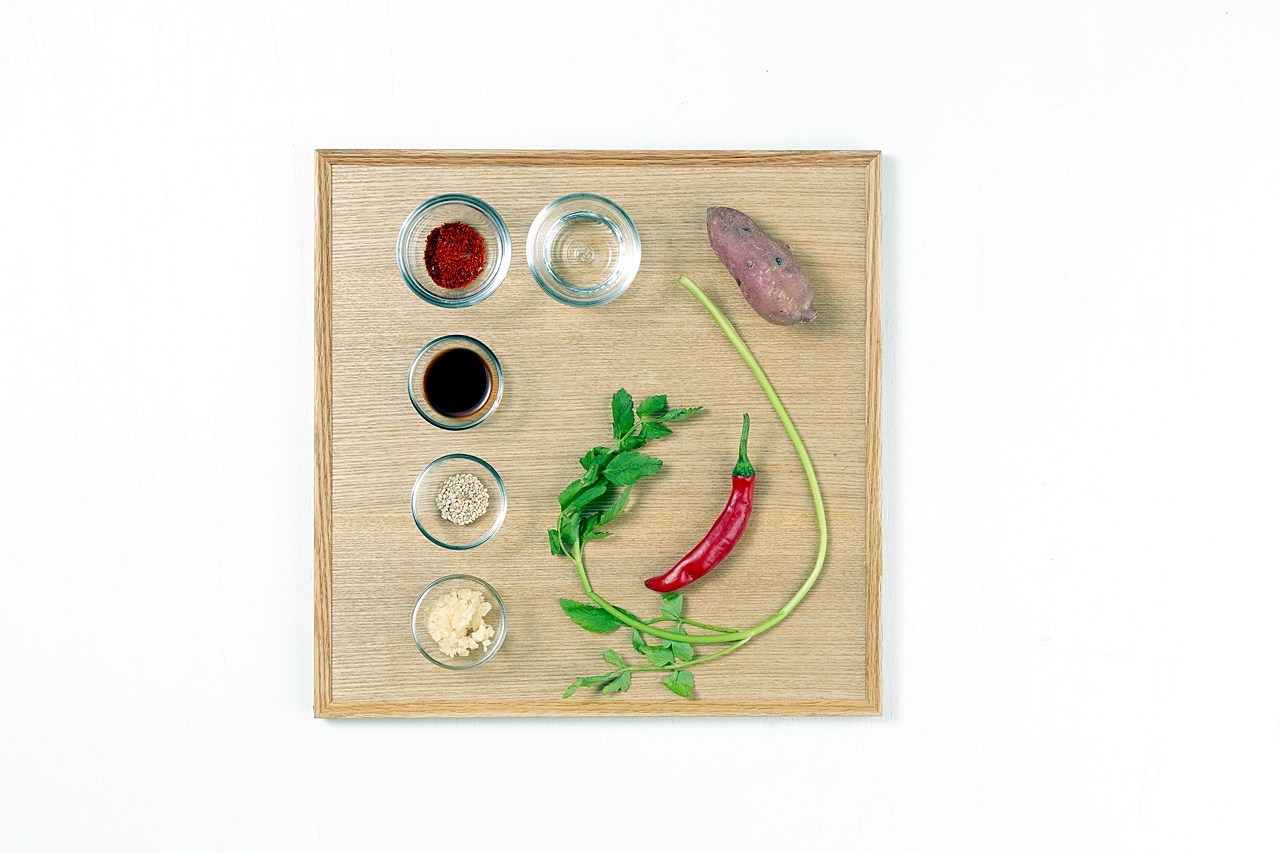
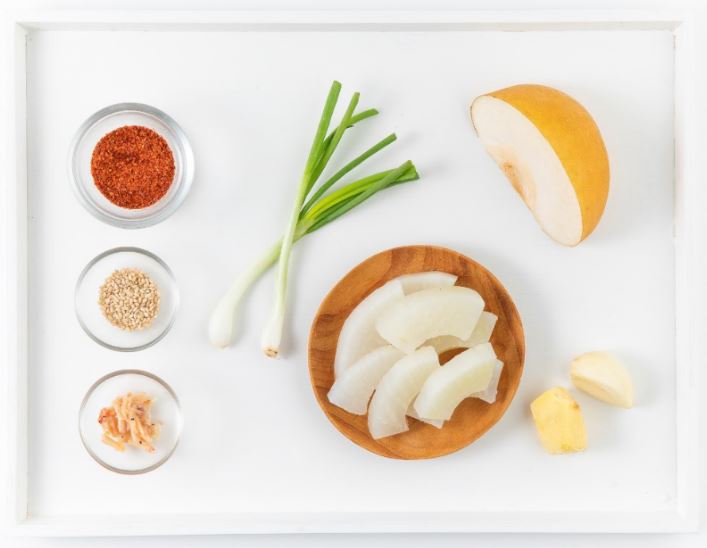
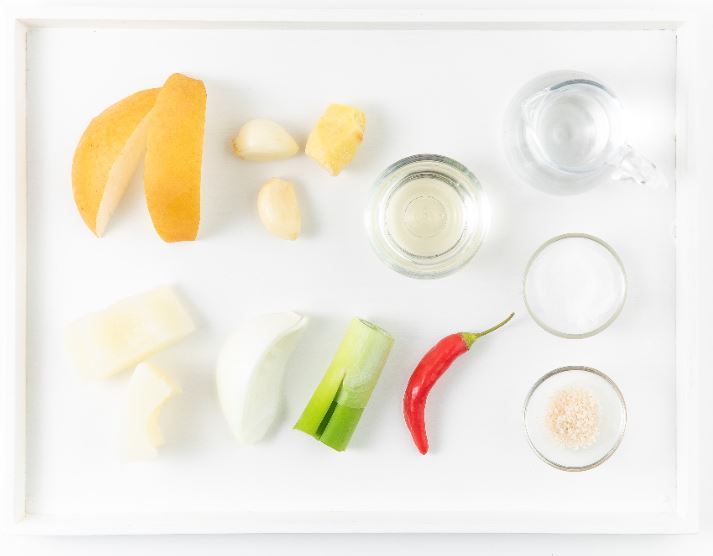
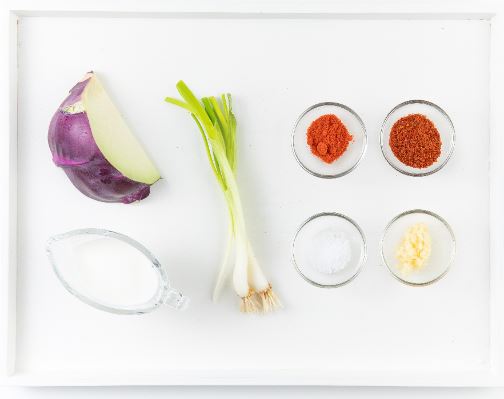
🥘 Ingredients for classic baechu kimchi
Tap an ingredient to check it off.
Salting
Rice porridge
Seasoning paste
Vegetables
🧺 Korean ingredients in this dish
- Napa Cabbage (Baechu)The cabbage behind classic kimchi
- Glutinous Rice & Rice FloursSticky rice and rice flours for porridge, pancakes and sweets🛒 Shop on Amazon
- GochugaruSun-dried Korean chili flakes🛒 Shop on Amazon
- Jeotgal (Salted Shrimp & Fish Sauce)Salted, fermented seafood — Korea's umami seasoning🛒 Shop on Amazon
- Garlic in Korean CookingMinced, sliced, pickled and black — the backbone of Korean flavor
- Ginger in Korean CookingFresh ginger, ginger juice and ginger syrup for marinades and teas
- Korean Pear (Bae)Juicy Asian pear — fruit, tenderizer and sweetener
- Korean Radish (Mu)Dense, sweet, crunchy Korean radish
- Korean Green Onions (Pa)Thick daepa, slender jjokpa and the green onions in almost every dish
- Garlic Chives (Buchu)Flat garlic chives for pancakes, kimchi and dumplings
As an Amazon Associate, coo K food earns from qualifying purchases.
📝 How to make baechu kimchi
Trim the cabbage base and cut a shallow slit through it, then pull the head apart by hand into halves (and quarters if large) so the leaves stay whole.
Dissolve ½ cup of the salt in the water. Dip each cabbage piece in the brine, then lift the leaves and sprinkle the remaining salt between them, mostly on the thick white stems. Place cut side up in a large tub and pour the leftover brine over.
Salt for 6–8 hours, turning the pieces every 2 hours. The cabbage is ready when a thick stem bends easily without snapping.
Meanwhile, whisk the sweet rice flour into 1 cup of water and cook over medium heat, stirring, for 3–5 minutes until it thickens into a thin porridge. Let it cool completely.
Rinse the cabbage three times in cold water, shaking out the salt between the leaves. Drain cut side down for at least 1 hour.
Mix the cooled porridge with the gochugaru, fish sauce, salted shrimp, garlic, ginger and sugar. Let it stand 10 minutes so the chili hydrates, then fold in the radish, green onions and chives. Wear food-safe gloves for this and the next step.
Working leaf by leaf, spread a thin layer of the paste over each leaf, concentrating on the stems. Fold each piece in half and roll it into a bundle.
Pack the bundles tightly into clean jars or a kimchi container, pressing down to remove air. Leave 3–5 cm (1–2 in) of headspace, as the kimchi releases liquid and gas as it ferments. Swish a little water around the paste bowl and pour it over.
Leave at cool room temperature for 1–2 days, until it smells sour and small bubbles appear when you press down, then refrigerate. It is good to eat fresh, but tastes best after 1–3 weeks in the fridge.
💡 Tips for the best baechu kimchi
- Coarse sea salt draws water out of the cabbage evenly. Fine table salt is much saltier by volume and can leave the cabbage over-salted and limp.
- Taste a rinsed stem before draining: it should be pleasantly seasoned, like a salted vegetable, not briny. If it is too salty, soak it in fresh water for 10–20 minutes.
- Always use a clean, dry utensil to take kimchi out of the jar and press the rest back under its liquid. This keeps it from going soft or growing mold on the surface.
- For a vegan kimchi, replace the fish sauce and salted shrimp with soy sauce or a kelp-and-mushroom broth seasoned with salt.
How kimchi ferments
Salting pulls water out of the cabbage and keeps unwanted microbes in check, while lactic acid bacteria that are naturally present on the vegetables multiply. They turn the sugars into lactic acid, which gives kimchi its tang, and carbon dioxide, which gives it a slight fizz.
Temperature sets the pace. A day or two at room temperature starts the fermentation; the fridge slows it down so the kimchi sours gradually over weeks. Many Korean households keep a separate kimchi refrigerator held just above freezing for this reason.
Fresh, ripe and sour kimchi
Freshly made kimchi (geotjeori-style) is crunchy and tastes of chili and garlic. After one to three weeks it is ripe: tangy, rounded and the best for eating as a side dish. Kimchi that has turned very sour (mugeunji, or aged kimchi) is no longer ideal on its own, but it is exactly what you want for kimchi jjigae, kimchi fried rice and kimchi pancakes.
Kimjang: making kimchi for the winter
In late autumn, families and neighbors traditionally gather to salt and season dozens of cabbages at once, enough to last the winter. This practice, kimjang, was added to UNESCO’s list of the Intangible Cultural Heritage of Humanity in 2013.