Korean Wild Greens & Mountain Roots
산나물san-na-mul
Bellflower root, deodeok, bracken and dried greens
Korea’s mountains supply a whole category of foraged vegetables called sannamul. Many are dried and rehydrated, which makes them year-round pantry staples and an essential part of bibimbap and holiday namul platters.
- Korean name
- 산나물 (san-na-mul)
- What it is
- Bellflower root, deodeok, bracken and dried greens
- Storage
- Keep dried greens airtight in a cool, dry place.
- Substitute
- For doraji, use burdock or parsnip.
- Recipes
- Used in 31 recipes on coo K food
Doraji and deodeok
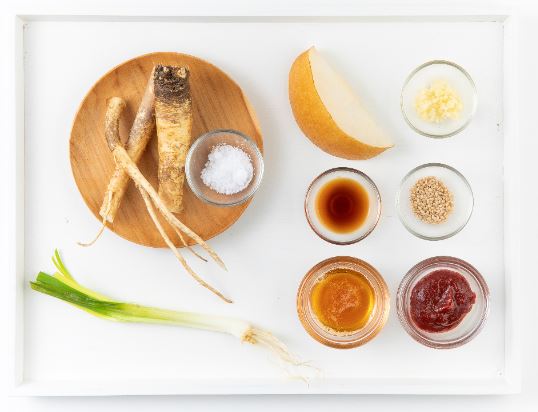
Doraji (bellflower root) is white, fibrous and pleasantly bitter. It is rubbed with salt and soaked to remove some bitterness, then dressed with chili and vinegar or sautéed as namul. Deodeok (Codonopsis lanceolata) is a fragrant mountain root that is peeled, pounded flat and grilled with a gochujang glaze; its chewy texture earned it the nickname "meat of the mountains".
Gosari (bracken)
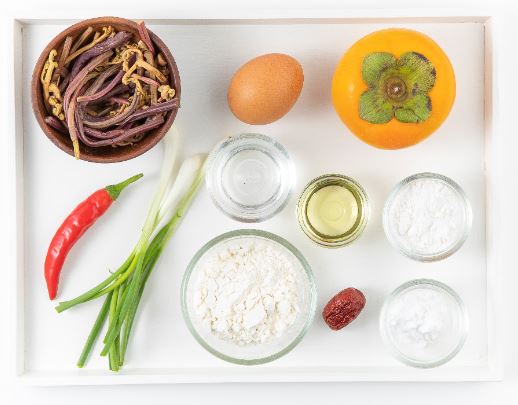
Gosari are fern shoots sold dried. They are soaked overnight, boiled until tender and soaked again before cooking — a process that softens them and removes most of the naturally occurring ptaquiloside, which is why bracken is never eaten raw. They are then stir-fried in perilla oil with soup soy sauce and garlic, and they are essential in yukgaejang and bibimbap.
Dried greens
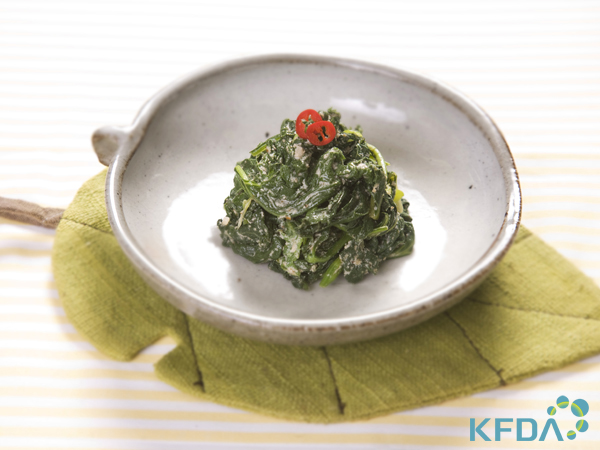
Siraegi (dried radish greens), ugeoji (dried napa cabbage leaves), chwinamul (aster) and gondre (thistle) are soaked and boiled, then braised with doenjang or perilla seeds or cooked into rice. On Jeongwol Daeboreum, the first full moon of the lunar year, Koreans traditionally eat a platter of dried namul.
🧊 How to store it
Keep dried greens airtight in a cool, dry place. Rehydrated greens keep for about three days in the fridge, or can be frozen in portions.
🔄 Substitutes
For doraji, use burdock or parsnip. For gosari, use cooked fiddleheads or shiitake stems. For siraegi, use kale or collard greens.
🛒 Where to buy
This is a fresh ingredient, so it is best bought in person at a Korean or pan-Asian grocery store such as H Mart, or through an online Asian grocer that delivers fresh produce in your area. Look for it under its Korean name, 산나물 (sannamul).